
 Home
Home

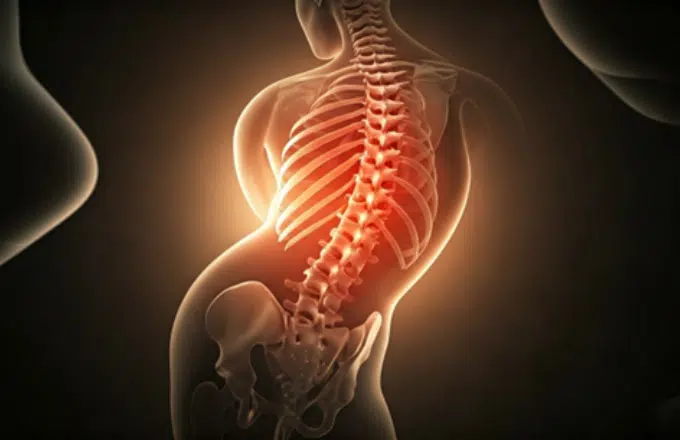
Scoliosis, a condition where the spine curves sideways, affects more than just posture. It can create challenges for the body’s nervous system, leading to pain, discomfort, and even long-term health issues. Understanding how scoliosis impacts the nervous system is key to managing symptoms and maintaining a healthy lifestyle. In this guide, we’ll explore the connection between scoliosis and nerve health, why some people experience more nerve issues than others, and how to protect your nervous system from scoliosis-related complications.
Table of Contents
The Spine and Nervous System: A Delicate Balance
The spine serves as the main support structure for your body, protecting the spinal cord, which is the primary highway for your nervous system. This intricate system of bones, nerves, and tissues works together to send signals from the brain to the rest of the body. When scoliosis causes the spine to curve abnormally, it can disrupt this communication network.
When the spine bends or rotates in a C-shape or an S-shape, the vertebrae (bones of the spine) may compress or stretch the nerves around them. This can lead to a variety of symptoms like pain, numbness, tingling, and even weakness in different parts of the body. The nerves that branch out from the spinal cord can become pinched or irritated, disrupting their normal function. The severity of these effects often depends on the degree of the curve and the location of the scoliosis.
Types of Scoliosis Relevant to the Nervous System
Scoliosis can be classified into several types, each of which can affect the nervous system differently. The severity and type of scoliosis you have will determine how your nerves are impacted.
- Idiopathic scoliosis: This is the most common type, especially in adolescents, and the exact cause is often unknown. It typically causes a gradual curvature in the spine and can lead to nerve compression depending on how the spine twists or bends.
- Neuromuscular scoliosis: This type of scoliosis is triggered by underlying neurological or muscular conditions, such as Muscular Dystrophy or Cerebral Palsy. These conditions often cause a more complex interaction with the nervous system, as the muscles and nerves are already compromised, which can exacerbate nerve compression.
- Degenerative/adult-onset scoliosis: This form occurs later in life, often due to wear and tear, aging, or spinal disc degeneration. As the spine deteriorates, the spacing between vertebrae narrows, which can lead to increased pressure on the nerves. This makes nerve involvement more likely as people age and experience degenerative changes.
Each type of scoliosis has its own set of challenges for the nervous system, and treatment approaches may vary based on the underlying cause of the curvature.
What Happens When the Nervous System is Affected by Scoliosis?
The spinal cord is housed in the vertebral column, with nerves branching off and traveling through small openings between the bones of the spine. When scoliosis causes the spine to twist or curve, it can change the spacing between these vertebrae and compress the nerves, especially where the curve is most severe. This can lead to a variety of symptoms.
For some people, scoliosis may cause radiculopathy, a condition where nerve roots are compressed, leading to pain or weakness radiating down the arms or legs. This is especially common when scoliosis affects the lumbar (lower back) or thoracic (mid-back) regions. Similarly, myelopathy can occur if the spinal cord itself is compressed, which may lead to more serious neurological symptoms like difficulty walking, balance problems, or even bladder and bowel dysfunction.
In more severe cases, neuropathy can also develop, affecting peripheral nerves and leading to sensations like tingling, numbness, or weakness in the limbs. The nerves’ function can become less efficient, and over time, this can have a noticeable impact on mobility and quality of life.
Recognizing Nervous System Symptoms
When scoliosis starts to affect the nervous system, the signs can be both subtle and alarming. Some of the most common symptoms of nerve involvement include:
- Persistent back or neck pain: If the pain doesn’t seem to improve with typical muscle strain relief methods, it may be due to nerve compression.
- Radiating pain: This is especially common in the legs or arms, depending on where the curve is located. This pain often signals radiculopathy, which occurs when nerve roots are compressed.
- Tingling or numbness: A sensation like “pins and needles” in your hands, feet, legs, or arms may indicate nerve irritation or compression.
- Muscle weakness: Difficulty lifting a foot or gripping objects can be a sign of nerve involvement, particularly if the muscles feel unusually weak or fatigued.
- Gait changes: A noticeable limp or the dragging of a leg may suggest nerve involvement in the lower spine, especially if the scoliosis curve is in the lumbar region.
- Bowel and bladder dysfunction: Although rare, severe nerve compression in the lower spine can lead to issues with bladder or bowel control. These are serious symptoms that require immediate medical attention.
These symptoms may vary depending on the location of the scoliosis curve and the degree of nerve compression. For example, a scoliosis curve in the cervical (neck) spine may lead to pain and weakness in the arms, while a curve in the lumbar spine might affect the legs.
Why Some People Suffer More Than Others
Not everyone with scoliosis experiences the same degree of nerve involvement. Several factors play a role in determining how much the nervous system is affected:
- Curve severity & progression: The larger the spinal curve (measured by Cobb angle), the more likely it is that nerve compression will occur. Smaller curves may cause little or no nerve symptoms, but larger, more severe curves significantly increase the risk of nerve damage.
- Age and spinal changes: In adults, especially those with degenerative scoliosis, the spinal alignment deteriorates over time due to age-related changes like disc degeneration and joint wear. This can narrow the space available for nerves, leading to a higher risk of nerve compression and related issues.
- Location and shape of the curve: Curves that twist and rotate the vertebrae can put more pressure on nerves than simple sideways curves. The location of the curve also matters; curves in the lumbar spine (lower back) are more likely to affect the nerves that travel down to the legs, while curves in the cervical spine (neck) may impact the arms and upper body.
- Individual anatomy and muscle support: If your muscles around the spine are weak or if there’s poor posture, your spine may shift more easily, increasing the pressure on nerves. Additionally, underlying conditions, such as neuromuscular scoliosis, may complicate the situation and increase the chances of nerve involvement.
Managing Nervous System Effects from Scoliosis
The good news is that there are several ways to manage and alleviate the impact of scoliosis on the nervous system. Early intervention is key. Regular checkups with your healthcare provider are crucial for monitoring the progression of scoliosis and addressing any nerve-related symptoms before they become more serious.
Physical therapy is often a first-line treatment. Strengthening the muscles around the spine can help stabilize the vertebrae and relieve pressure on the nerves. For those with scoliosis, focusing on improving posture, strengthening the core, and maintaining spinal mobility through stretching and strengthening exercises can make a big difference in minimizing nerve compression.
In more severe cases, a back brace may be recommended to support the spine and reduce further curvature. If scoliosis causes significant nerve damage, surgical options may be considered. These procedures can help correct the curve and relieve pressure on the nerves, restoring normal function to the nervous system.
Additionally, lifestyle changes such as maintaining a healthy weight, avoiding smoking, and staying active can all support spinal health and reduce the strain on your nerves. Staying informed about your condition and seeking treatment early can help ensure that your nervous system remains healthy and that scoliosis does not interfere too much with your day-to-day life.
Taking Control and Protecting the Nervous System
Understanding how scoliosis affects the nervous system is essential for those living with this condition. The link between spinal curvature and nerve health is complex but manageable. Whether it’s through physical therapy, lifestyle adjustments, or, in more severe cases, medical intervention, there are many options available to protect and improve nerve function.
If you or a loved one is dealing with scoliosis, it’s important to seek out resources and support that can guide you through managing the condition. You can visit websites like ScoliosisPractice.com. Their expertise and range of solutions can provide significant benefits for individuals with scoliosis to lead healthier, more comfortable lives. By staying proactive and informed, you can reduce the impact scoliosis has on your nervous system and enjoy a higher quality of life.