
 Home
Home

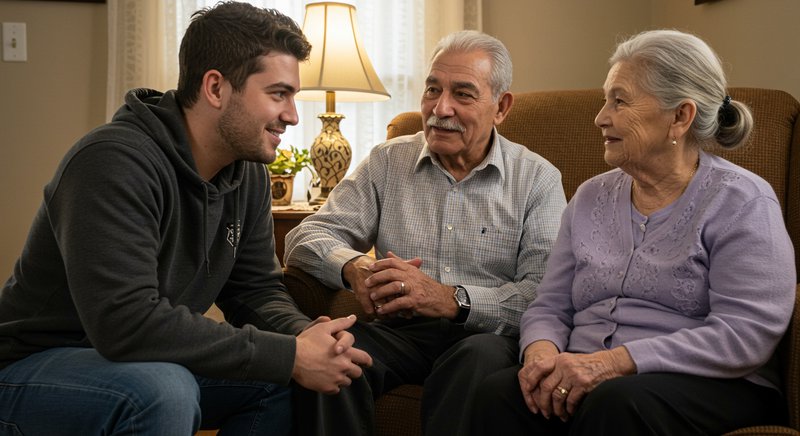
You’ve seen the red flags: Dad’s bills are piling up unpaid, Mom’s forgetting to eat regular meals, and the house is becoming a hazard with clutter and uneven rugs. Yet when you suggest a simple solution like a weekly home aide or a doctor’s checkup, they brush it off with “I’m fine” or “I don’t need anyone bossing me around.” This denial is heartbreakingly common—according to recent data, about 82% of older adults believe the U.S. health care system isn’t prepared for America’s aging population, and with 63 million Americans providing ongoing care for adults or children with complex needs, many families face resistance rooted in fears of losing independence. As of November 2025, with the senior population booming and home care worker shortages projecting 4.6 million unfulfilled jobs by 2032, preparing both legally and emotionally is crucial to avoid crises.
Refusal doesn’t mean defeat. This guide equips you with step-by-step preparation for those tough scenarios, blending emotional strategies to build trust and legal safeguards to protect everyone. Drawing from 2025 insights from experts like the AARP and elder law resources, we’ll cover how to approach conversations, secure documents, and prioritize your well-being. If you’re searching for “aging parent refuses help legal options” or “emotional support for caregivers of stubborn elders,” these tips can help you navigate with compassion and foresight.
Table of Contents
Step 1: Understand Their Emotional Perspective to Build Empathy
Before diving into logistics, pause to see through their eyes. Seniors often refuse help due to deep-seated fears: losing control, appearing weak, or facing the reality of aging. Cultural values or past experiences—like seeing friends in nursing homes—can amplify this resistance.
Emotionally prepare by journaling their potential concerns: “What does independence mean to them?” This shifts your mindset from frustration to understanding, reducing defensiveness in talks. Active listening is key—observe without judgment, noting patterns like skipped meds or isolation, to validate their feelings later. Resources from the Family Caregiver Alliance recommend empathy-building exercises, like role-reversing in your mind: How would you feel if roles flipped?
Step 2: Prep Your Own Emotions—Guilt, Grief, and Burnout Are Normal
Caregiving when met with denial triggers a rollercoaster: guilt for “pushing,” grief over role reversal, and anxiety about future uncertainties. In 2025, with 53 million unpaid caregivers providing over $870 billion in value annually, burnout is rampant—especially in the sandwich generation juggling kids and elders.
Fortify yourself: Join support groups via AARP or online forums for shared stories. Seek therapy tailored to caregivers; many 2025 telehealth options cover this under insurance. Practice self-compassion affirmations: “I’m doing this out of love, not control.” This emotional armor prevents reactive arguments and models healthy boundaries for your parent.
Step 3: Master the Art of the Conversation—Start Small and Empathetic
Timing and tone matter. Choose a calm moment, not mid-crisis, and lead with “I” statements: “I worry about you because I care, and I want to help you stay independent longer.” Involve them in decisions to ease fears: “What small changes would make life easier for you?”
If denial persists, use gradual approaches—suggest a “trial” of meal delivery or a companion app before bigger steps. For proven scripts and strategies, this guide on how to talk to a parent who says ‘I don’t need help’ can transform stalled discussions into progress. Remember, one talk rarely suffices; persistence with patience wins.
Step 4: Secure Basic Legal Documents Early—Before a Crisis Hits
Legal prep starts with proactive paperwork. Encourage your parent to sign a durable power of attorney (POA) for finances and health care while they’re competent—this appoints you (or another trusted person) to make decisions if they can’t. A medical POA specifically handles treatment choices, preventing court battles later.
Also, draft an advance directive or living will outlining end-of-life wishes. In 2025, with elder law evolving, many states offer free templates via Area Agencies on Aging. Consult an elder law attorney to customize—these docs avoid the need for drastic measures like guardianship down the line. Frame it positively: “This protects your choices, not takes them away.”
Step 5: Plan for Asset Protection to Safeguard Their Future (and Yours)
Denial can lead to financial mishaps, like unpaid bills or scams targeting vulnerable seniors. Early asset protection ensures resources for care without depleting savings hastily.
Strategies include setting up trusts to shield assets from Medicaid spend-down rules or gifting assets strategically (within IRS limits to avoid penalties). In 2025, with long-term care costs averaging $4,500 monthly for in-home help, planning ahead is vital. Dive into comprehensive asset protection for seniors to explore options like annuities or veteran benefits that preserve wealth while qualifying for aid. An elder law specialist can tailor this, often with a free initial consult.
Step 6: Know When (and How) to Pursue Guardianship as a Last Resort
If refusal endangers them—think severe dementia or self-neglect—guardianship may be necessary. This court-appointed role gives you legal authority over decisions, but it’s invasive and costly, often $3,000–$5,000 in fees. In 2025, states like Pennsylvania emphasize least-restrictive alternatives first, per updated elder law guides.
Prep emotionally: Guardianship can strain relationships, so document evidence (medical reports, incidents) thoroughly. Seek mediation or a geriatric care manager to explore voluntary options before court. Only pursue if safety is at immediate risk—it’s a tool of last resort.
Step 7: Prioritize Ongoing Self-Care and Family Support
Emotional prep isn’t one-off; it’s continuous. Schedule respite—use adult day programs for your parent or sibling rotations for breaks. Track your stress: Signs like insomnia or resentment signal burnout, affecting 45% of caregivers.
Build a team: Involve siblings early to share loads, and tap 2025 resources like the National Alliance for Caregiving’s helplines. Reassess quarterly: As needs evolve, adjust plans to maintain balance.
Your 7-Step Checklist for Legal and Emotional Prep
- Journal their fears and your emotions for empathy.
- Join a support group or seek therapy for yourself.
- Practice conversation scripts and start small talks.
- Secure POA, advance directives, and living wills.
- Consult on asset protection strategies.
- Document evidence if guardianship might be needed.
- Schedule self-care and reassess plans regularly.
Navigating a parent’s refusal requires a delicate blend of heart and strategy, but with 38.2 million Americans providing unpaid eldercare in 2025, you’re part of a vast community turning challenges into stronger bonds. By preparing legally to protect assets and decisions, and emotionally to foster understanding, you honor their dignity while ensuring safety. Start with one step today—perhaps that empathetic chat—and remember: progress often comes gradually. For more on communication or financial safeguards, explore the resources above. You’ve got this; your proactive love makes all the difference.