 Home
Home

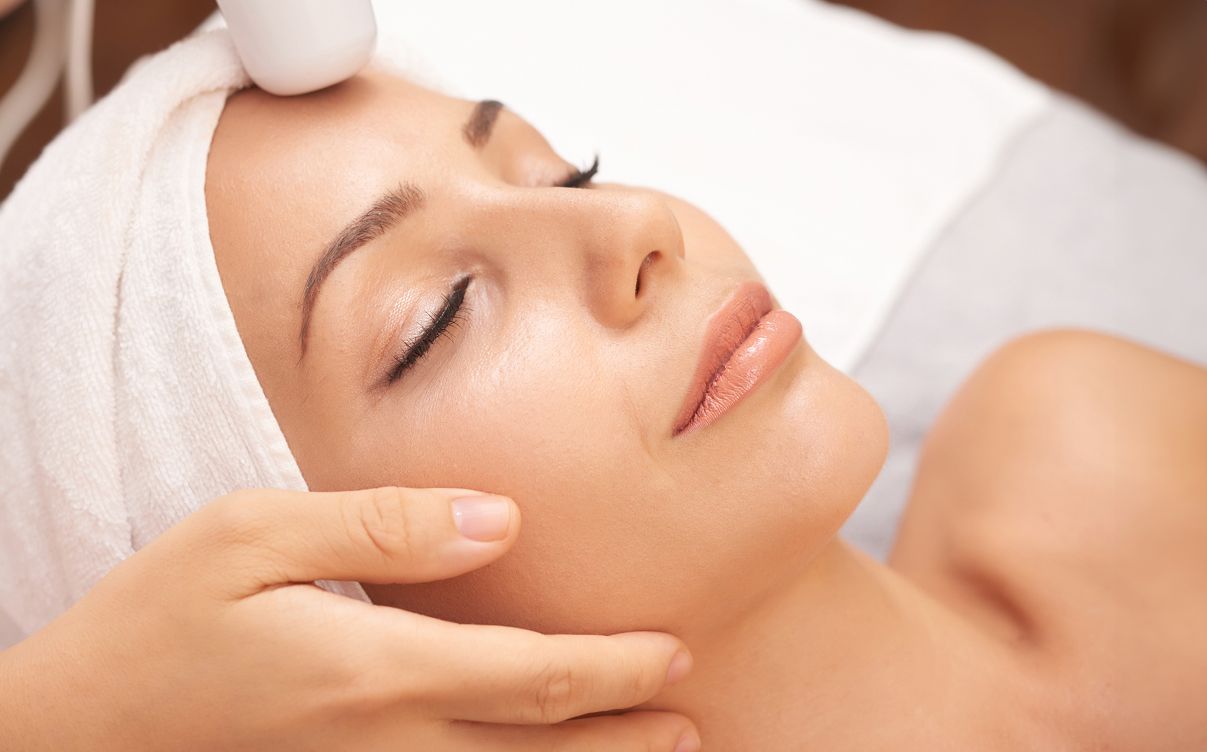
A clear, luminous complexion is often seen as a symbol of healthy and youthful skin. However, pigmentation issues such as dark spots, uneven tone, and sun damage can make achieving that glow seem impossible. For many, these concerns go beyond aesthetics and affect confidence, prompting the search for professional solutions that go deeper than topical creams or home remedies.
Advancements in dermatology and aesthetic medicine have led to effective treatments that target pigmentation at its root. With cutting-edge technology and personalized care, today’s aesthetic clinics specialize in restoring skin clarity and balance, helping patients achieve smoother, brighter skin safely and effectively.
Table of Contents
Understanding Pigmentation and Its Root Causes
Pigmentation occurs when there is an imbalance in melanin production, the natural pigment that gives skin its color. This can result in darker patches or uneven skin tone, often visible on the face, neck, and hands. While some pigmentation fades over time, others deepen and become more stubborn, especially without proper treatment.
Finding the best pigmentation clinic Singapore residents trust often begins with understanding what causes these issues. The most common types of pigmentation include:
- Melasma: Characterized by symmetrical brown or grayish patches, often triggered by hormonal changes such as pregnancy or contraceptive use.
- Sunspots (Solar Lentigines): Caused by long-term sun exposure, typically appearing on areas frequently exposed to sunlight.
- Freckles: Small brown spots influenced by genetics and sun exposure.
- Post-Inflammatory Hyperpigmentation (PIH): Dark marks that form after acne, cuts, or other skin inflammation.
Pigmentation can be influenced by multiple factors, including hormonal changes, UV radiation, genetics, and even certain medications. Because of this, a personalized approach guided by professional expertise is key to achieving lasting results.
How Professional Clinics Treat Pigmentation
Unlike over-the-counter products that only target the skin’s surface, professional treatments go beyond what creams and serums can achieve. Aesthetic clinics use medical-grade technology and proven methods to break down excess melanin, stimulate cell renewal, and improve overall skin texture.
Laser Treatments
Laser therapy remains one of the most effective solutions for pigmentation. By delivering focused beams of light, lasers can break down pigment particles into smaller fragments, allowing the body to naturally eliminate them. Different types of lasers cater to varying levels and depths of pigmentation:
- Pico Laser: Emits ultra-short pulses to target stubborn pigmentation while minimizing damage to surrounding tissue. It also boosts collagen production, enhancing skin texture.
- Q-Switched Laser: Works well for freckles, sunspots, and deep pigmentation, promoting even tone and radiance.
- Fractional Laser: Treats both pigmentation and scarring by resurfacing the skin, encouraging the growth of new, healthy cells.
Laser treatments are safe, precise, and customizable, making them ideal for different skin types and pigmentation concerns.
Chemical Peels
Chemical peels use controlled exfoliation to remove damaged skin layers and stimulate new cell growth. They range from mild to deep, depending on the severity of pigmentation.
- Superficial Peels: Use gentle acids like glycolic or lactic acid to brighten and refresh the skin.
- Medium Peels: Penetrate deeper to address stubborn dark spots and uneven tone.
- Deep Peels: Used for severe pigmentation and aging skin, revealing a smoother and more youthful complexion.
Peels also enhance the absorption of skincare products, allowing active ingredients to work more effectively.
Intense Pulsed Light (IPL) Therapy
IPL therapy targets pigmentation using broad-spectrum light. It penetrates the skin to break up pigment clusters and reduce redness, making it a versatile treatment for both dark spots and overall complexion improvement.
The procedure is non-invasive and requires minimal downtime, making it suitable for busy individuals seeking gradual yet noticeable results.
Microneedling
Microneedling involves creating micro-injuries in the skin to stimulate collagen production and encourage cell renewal. When combined with brightening serums or platelet-rich plasma (PRP), it can reduce pigmentation and improve tone and texture.
This technique is especially effective for post-inflammatory hyperpigmentation, helping restore smoothness and balance to the skin.
Topical and Medical-Grade Skincare
In addition to in-clinic procedures, dermatologists may recommend medical-grade skincare products that help manage pigmentation between treatments. These may include ingredients such as:
- Vitamin C: Brightens and protects against free radicals.
- Niacinamide: Reduces melanin transfer and supports the skin barrier.
- Hydroquinone: Lightens dark spots by controlling pigment production.
- Retinoids: Promote faster skin turnover for smoother and clearer skin.
When used under professional guidance, these products enhance the effects of clinical treatments and help prevent recurrence.
Choosing the Right Clinic for Pigmentation
Selecting the right clinic is crucial for safe and effective treatment. The best pigmentation clinic Singapore patients recommend will always conduct a detailed skin assessment before designing a personalized plan.
Key factors to consider include:
- Expertise and Credentials: Ensure the clinic is staffed by certified dermatologists or aesthetic physicians experienced in treating pigmentation.
- Technology and Equipment: Modern, FDA-approved machines ensure better precision and safety.
- Personalized Care: Every skin type is different, so treatment plans should be tailored to individual needs.
- Aftercare Support: Proper post-treatment care is essential for long-term results.
A professional clinic will take a holistic approach, addressing not just pigmentation but also improving overall skin health.
Maintaining Results After Treatment
Professional treatments can dramatically improve skin clarity, but maintenance is essential to preserve results. Pigmentation can return if preventive steps are not taken, especially with ongoing sun exposure or hormonal changes.
Sun Protection
Daily sunscreen use is vital. Apply broad-spectrum SPF 30 or higher every morning and reapply throughout the day, even indoors. Sun exposure is the leading cause of pigmentation recurrence.
Healthy Skincare Routine
Avoid harsh exfoliants or irritating products that can trigger inflammation. Instead, use gentle cleansers, hydrating serums, and antioxidant-rich moisturizers.
Lifestyle Adjustments
A diet rich in fruits, vegetables, and antioxidants supports skin regeneration. Staying hydrated and getting enough sleep also contribute to a glowing complexion.
Periodic Maintenance
Depending on your skin condition, your dermatologist may recommend maintenance treatments such as light laser sessions or mild chemical peels every few months to keep pigmentation at bay.
Restoring Confidence Through Clear Skin
Pigmentation concerns can affect more than just physical appearance—they can impact confidence and self-esteem. Thankfully, today’s advanced aesthetic treatments make it possible to restore clarity and balance with precision and care.
Professional pigmentation treatments not only remove dark spots but also rejuvenate the skin, giving it a smoother, more even texture. With consistent care and expert guidance, patients can achieve radiant, healthy-looking skin that feels as good as it looks.
Commonly Asked Questions
How many sessions are needed to treat pigmentation?
The number of sessions varies depending on the severity and type of pigmentation. Most patients see visible improvement after three to six sessions.
Are pigmentation treatments painful?
Most treatments cause only mild discomfort. Numbing cream is applied before laser or microneedling sessions to ensure comfort.
Can pigmentation come back after treatment?
Yes, pigmentation can return without proper sun protection or skincare maintenance. Consistent sunscreen use and periodic touch-ups help maintain results.
Are pigmentation treatments suitable for all skin types?
Modern technologies like Pico lasers are safe for most skin tones. A qualified aesthetic specialist will recommend the most suitable option based on your skin type.
How soon can I see results?
Results can appear after the first few sessions, with continued improvement as the skin heals and regenerates. Long-term results depend on consistent care and follow-up.
Next Steps
If you are struggling with uneven skin tone or dark spots, professional help can make all the difference. Schedule a consultation with a trusted specialist to explore the best pigmentation clinic Singapore has to offer. With advanced technology, medical expertise, and a personalized approach, you can achieve a clearer, more radiant complexion and rediscover the confidence that comes with truly beautiful skin.