 Home
Home

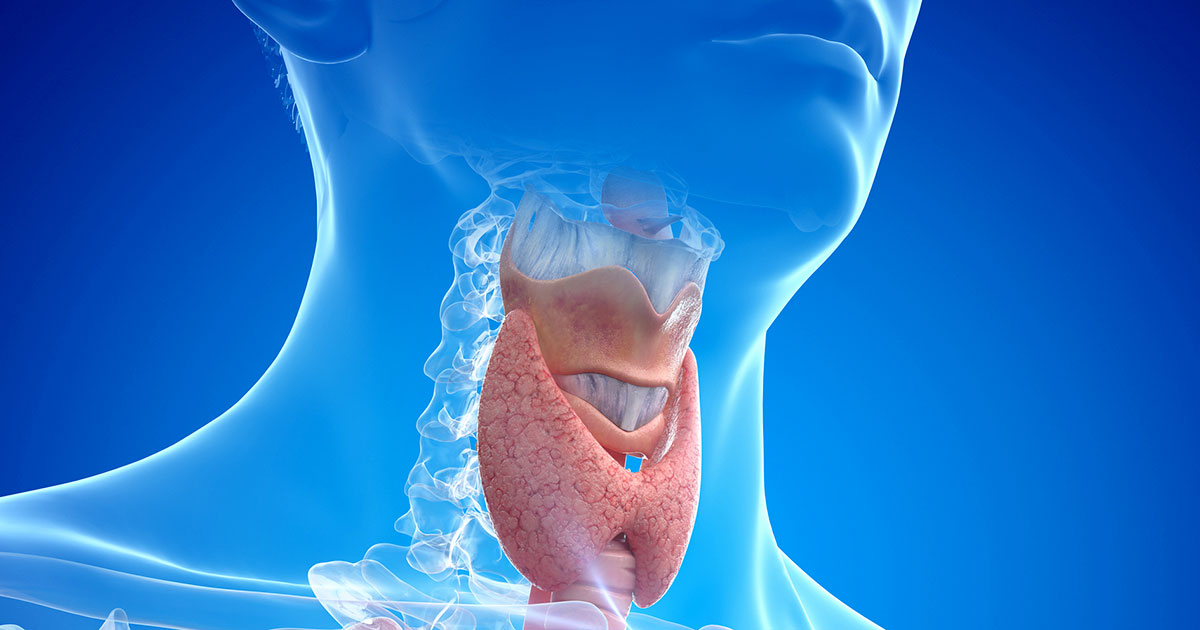
Thyroid nodules are a common health concern affecting individuals across different age groups. While the thought of discovering a lump in the thyroid gland can cause worry, many thyroid nodules are benign and manageable with proper medical care. With improved diagnostic tools and a deeper understanding of thyroid health, patients today can benefit from more accurate assessments and a wider range of effective treatments. This article explores what benign thyroid nodules are, why they occur, and how modern endocrinology provides safe and reliable management options.
Table of Contents
Understanding Thyroid Nodules and the Role of Benign Thyroid Nodule Treatment
A thyroid nodule is a small growth or lump that develops within the thyroid gland. These nodules may vary in size, texture, and composition, and in many cases they do not cause symptoms. The majority of thyroid nodules are benign, which means they are non cancerous and not life threatening. However, they still require proper evaluation to ensure safety and long term health.
Early assessment and benign thyroid nodule treatment are essential for preventing complications and ensuring that nodules remain stable over time. Endocrinologists carefully analyze each nodule through a combination of medical imaging, blood tests, and physical examination. This patient centered approach helps determine whether a nodule requires monitoring, medication, or minimally invasive treatment. Understanding how these evaluations work can reduce anxiety and provide clarity for individuals navigating thyroid health concerns.
Types of Thyroid Nodules
Thyroid nodules differ in structure and function. Identifying the type is crucial because it influences treatment decisions, monitoring frequency, and long term care needs.
Colloid Nodules
These are benign overgrowths of normal thyroid tissue. They are typically harmless and may not require active treatment unless they cause discomfort.
Cystic Nodules
Formed from fluid filled sacs, cystic nodules are usually non cancerous. Some may fluctuate in size or cause mild symptoms if they grow too large.
Inflammatory Nodules
These can occur due to thyroiditis or infection. They may be tender and often appear during periods of inflammation but generally resolve as the inflammation improves.
Hyperfunctioning Nodules
Also called hot nodules, these produce excess thyroid hormone. They may cause symptoms of hyperthyroidism and often require medical treatment.
Solid Nodules
Composed of solid tissue, these nodules require closer evaluation since in rare cases they may be associated with malignancy.
Diagnostic Steps in Modern Endocrinology
Endocrinologists use a variety of diagnostic tools to evaluate thyroid nodules. The goal is to accurately determine their nature and choose the most appropriate course of management.
Physical Examination
The doctor examines the neck for size, shape, and mobility of the thyroid gland. Swallowing movements may be assessed to check nodule behavior.
Thyroid Function Tests
Blood tests measure hormone levels and help identify whether the nodule is affecting thyroid function. Abnormal levels may indicate hyperthyroidism or hypothyroidism.
Ultrasound Imaging
This is one of the most useful diagnostic tools. Ultrasound allows doctors to analyze the size, shape, borders, and internal structure of a nodule.
Fine Needle Aspiration Biopsy
If a nodule appears unusual or grows over time, a biopsy may be recommended. This minimally invasive procedure collects cells for microscopic analysis. In most cases, the results confirm that the nodule is benign.
Monitoring Over Time
Stable benign nodules may only require periodic follow up. Regular imaging or checkups help track any changes in size or appearance.
Benign Thyroid Nodule Treatment Options
Treatment for benign thyroid nodules depends on their size, symptoms, and effect on thyroid function. Many nodules do not require immediate intervention and can be safely monitored. Others may benefit from specific medical or minimally invasive treatments.
Observation and Regular Monitoring
If the nodule is small, asymptomatic, and clearly benign, observation is often the best approach. Follow ups may include periodic ultrasound scans and hormone testing.
Thyroid Hormone Therapy
Some patients may be prescribed thyroid hormone medication to help regulate or shrink nodules. This treatment works by reducing the stimulation of the thyroid gland, although its effectiveness varies.
Minimally Invasive Procedures
Advancements in medical technology have introduced treatments such as radiofrequency ablation and laser ablation. These methods target and shrink nodules without surgical removal. They are especially useful for patients who prefer non surgical solutions or who are not candidates for traditional surgery.
Surgery
In some cases, nodules that cause difficulty swallowing, breathing issues, or cosmetic concerns may be removed surgically. Surgery is also recommended for nodules that show suspicious characteristics even if biopsy results are benign.
Lifestyle and Symptom Management
Patients with benign nodules may find relief through lifestyle adjustments such as maintaining stable iodine intake, managing stress, and monitoring thyroid related symptoms.
Everyday Living With Thyroid Nodules
Many people with benign thyroid nodules live completely normal lives. However, awareness and proper self care can significantly improve long term well being.
Supportive Nutrition
A balanced diet rich in fruits, vegetables, and lean proteins supports overall thyroid function. Adequate iodine intake is important but should be regulated based on a doctor’s advice.
Stress Reduction
High stress levels can affect hormonal balance. Practices such as deep breathing, meditation, and gentle exercise help maintain emotional stability.
Regular Medical Checkups
Even benign nodules require monitoring. Keeping scheduled visits ensures that any changes are detected early.
Open Communication With Healthcare Providers
Sharing concerns and symptoms helps endocrinologists make informed adjustments to treatment plans.
A Clearer Path Toward Thyroid Health
Modern endocrinology offers a reassuring outlook for individuals diagnosed with benign thyroid nodules. With advanced imaging, improved biopsy techniques, and a wide range of treatment options, patients can expect precise evaluation and personalized care. As long as nodules are monitored and managed well, the journey toward maintaining thyroid health is often smooth and manageable.
Commonly Asked Questions
Are benign thyroid nodules dangerous?
No, most benign nodules are not dangerous. They usually pose no threat to overall health, but they should still be evaluated and monitored as advised by a doctor.
Can benign thyroid nodules grow larger over time?
Some benign nodules may gradually increase in size due to hormonal or structural changes. Regular follow ups help track growth and determine if treatment is necessary.
When is surgery needed for a benign thyroid nodule?
Surgery may be recommended if the nodule causes discomfort, affects breathing or swallowing, or shows unusual features during imaging or biopsy.
Do benign nodules affect thyroid hormone levels?
Some nodules may influence hormone production, leading to either excess or reduced thyroid activity. Blood tests help identify these changes.
Can benign thyroid nodules disappear on their own?
Small cystic nodules may shrink or disappear over time, while solid nodules typically remain stable but do not vanish spontaneously.
Next Steps
If you have been diagnosed with a thyroid nodule, consult an experienced endocrinologist to understand the nature of your condition and explore suitable treatment options. Personalized care, regular monitoring, and a proactive approach can help you manage thyroid health confidently and maintain long term well being.