
 Home
Home

For families exploring autism services, one of the most common questions is: What actually happens during an ABA therapy session? Understanding what to expect can ease concerns and help caregivers feel confident in their decision. Families seeking ABA therapy in Carmel will find that sessions are structured, engaging, and tailored to meet each child’s unique needs.
Table of Contents
A Personalized Start to Every Session
Each ABA therapy session begins with a plan designed specifically for the child. Before therapy ever starts, a Board Certified Behavior Analyst (BCBA) completes a comprehensive assessment to identify strengths, challenges, and goals. These goals may include communication, social skills, daily living tasks, or behavior support. During sessions, therapists follow this individualized plan while remaining flexible and responsive to the child’s mood and energy level.
Learning Through Play and Structure
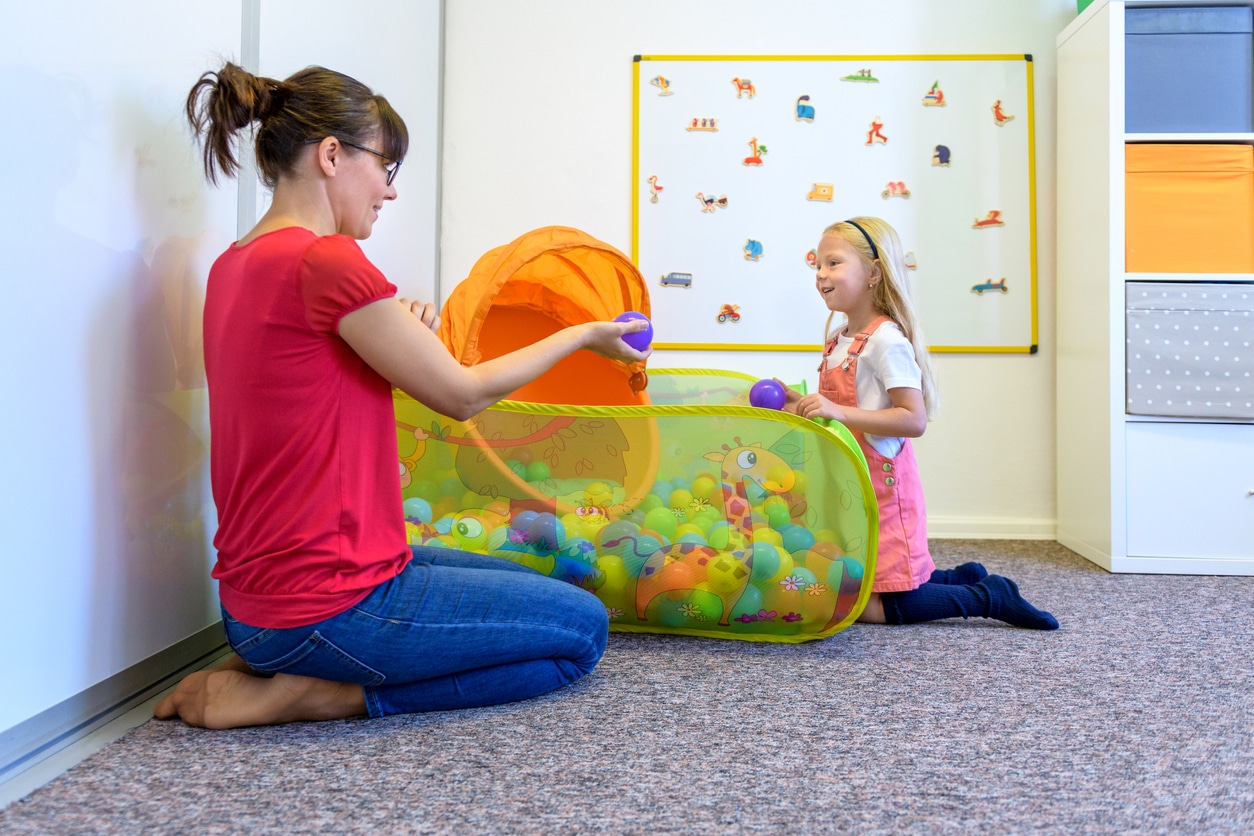
ABA sessions typically blend structured learning with natural, play-based activities. For younger children, therapy may look like guided play using toys, games, and everyday routines. For example, a therapist might practice turn-taking during a game or encourage communication during playtime. Structured teaching methods, such as discrete trial training, are also used to help children master specific skills through repetition and positive reinforcement.
Positive Reinforcement in Action
A core component of ABA therapy is positive reinforcement. When a child demonstrates a desired behavior or skill, they receive immediate praise or a meaningful reward, such as a favorite toy or activity. This approach helps motivate learning and makes sessions enjoyable. Families receiving ABA therapy in Carmel often notice that children become more engaged and confident over time.
Data Collection and Progress Tracking
Throughout the session, therapists carefully collect data on the child’s responses and behaviors. This data helps track progress, identify patterns, and determine whether strategies need adjustment. Regular review by a BCBA ensures that therapy remains effective and goals evolve as the child grows.
Family Involvement and Collaboration
Caregiver involvement is an essential part of ABA therapy. Many sessions include parent training or observation opportunities, allowing families to learn strategies they can use at home. This collaboration helps ensure skills generalize beyond therapy sessions.
What Parents Can Expect
An ABA session is structured yet supportive, data-driven yet playful, and always individualized. Over time, children build meaningful skills that promote independence, communication, and confidence.