 Home
Home

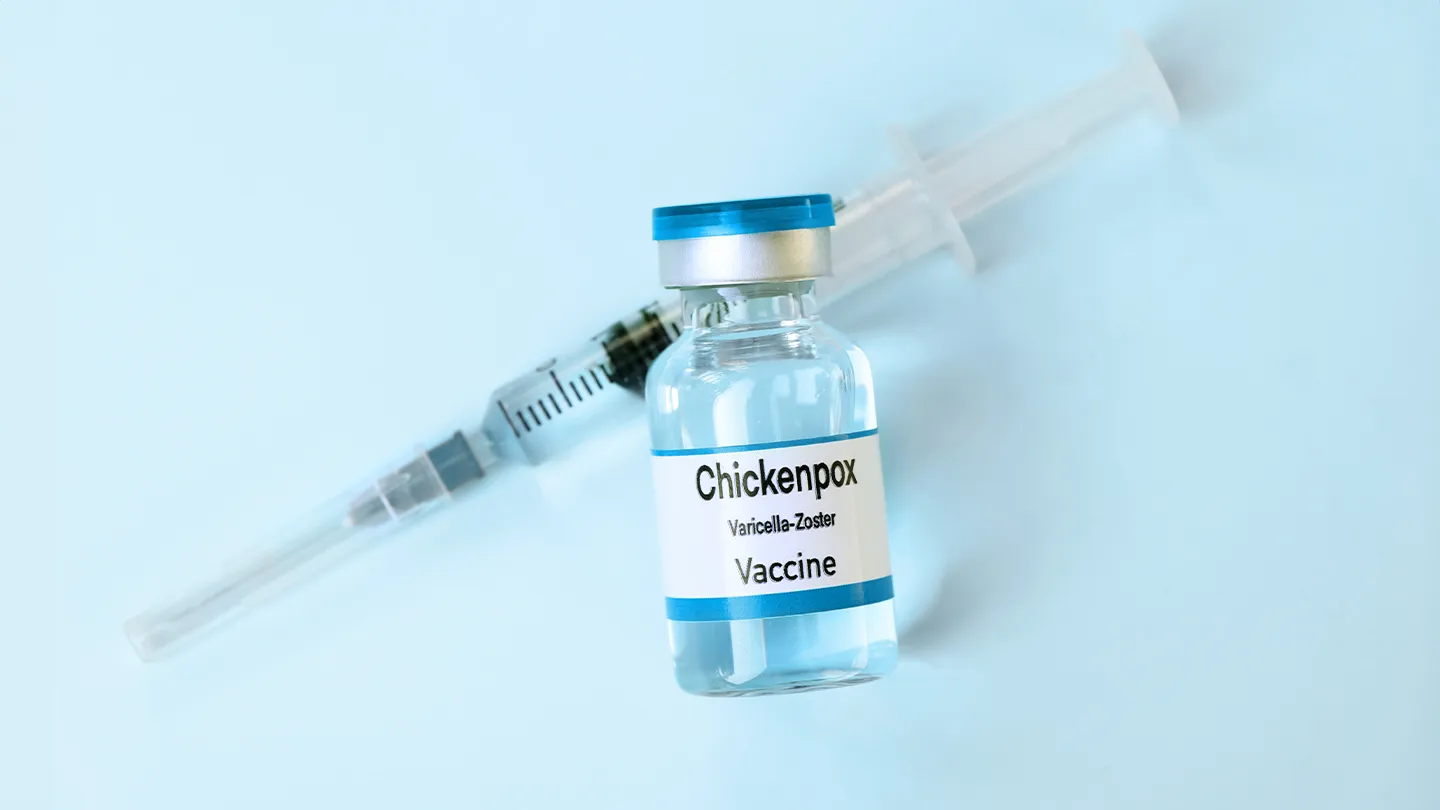
Ever spotted those itchy red spots popping up on your kid’s face and thought, “Here we go again”? Chickenpox has been that rite of passage for generations of British families, the one where you stock up on calamine lotion and pray for no scratched scabs. But hold on, because from January 2026, things are changing big time. The NHS is rolling out a routine chicken pox vaccination for young children, swapping the usual MMR jab for a combined MMRV version that tackles measles, mumps, rubella, and varicella all in one go. It’s a real game-changer, especially after years of debate about whether we should bother.
Half of children under four catch it, and by ten, it’s nine out of ten. That spotty fever you power through with Netflix and paracetamol sounds harmless, except it’s not always so straightforward. Bacterial skin infections crop up, pneumonia hits some hard, seizures scare the life out of parents, and in rare cases, it can even be fatal. Babies and vulnerable little ones bear the brunt, plus think of the chaos: five days off nursery, you juggling work calls while they’re contagious as anything. The UK shells out £24 million yearly in lost productivity, another £15 million on NHS treatment. No wonder the Joint Committee on Vaccination and Immunisation gave it the green light.
For ages, the UK held back while places like the US, Canada, and Australia jabbed away happily. Our worry is messing with nature. Chickenpox is caused by the varicella-zoster virus, the same blighter behind shingles later in life. Kids getting it young keeps the virus circulating, boosting immunity in adults via those spotty grandkid hugs. Vaccinating everyone as children means no more exposure, and shingles cases could spike 30 to 50% initially, lasting decades until the older generation shuffles off. Models predicted more pain for the 10-to-44 crowd, plus chickenpox hitting harder in teens and adults, with risks like encephalitis or pneumonia jumping up.
Table of Contents
The Old Hesitation Meets New Evidence
Back in the day, experts fretted over driving up the illness age. Post-childhood, morbidity and mortality climb, with pregnant mums risking severe pneumonia or passing it to newborns, causing congenital issues. Healthcare workers and contacts of immunocompromised kids got the nod if susceptible, but routine childhood jabs? Mathematical models screamed caution, and the NHS deemed it not cost-effective.
Fast forward to now, as fresh data flips the script. Countries with routine programmes slashed hospital admissions and complications without the shingles apocalypse. The MMRV vaccine, a live one, packs two doses, with the first around 12 months, booster at three-and-a-half to five years. It stops 99% of severe cases with one dose, 93% of all disease with two. Sure, protection wanes a bit, and breakthrough mild spots happen in some, but nothing like the full-blown version. About 5% get a light rash or fever post-jab, and there’s a tiny uptick in febrile seizures with the first MMRV dose, but it’s benign and reviewed endlessly by safety experts.
Parents, you’ll hear the call from your GP soon; eligible tots get invited, and uptake matters. Chat with your pharmacist or doctor if worried, as they’ve got the lowdown on who suits it best, like kids near immunocompromised family or pregnant siblings. Toddlers from 12 months are good to go if healthy, and even adults who’ve dodged it – think childless teachers – might benefit.
Safety First, Myths Busted
Is it safe? Absolutely, with decades of use abroad and rigorous UK checks. Side effects and mostly mild, like a sore arm, mild fever around day seven to ten, maybe spots in 3-5%, but no long-term horrors. Compared to natural infection, it gives lifelong immunity usually, but at what cost? Spreading to at-risk grandparents or causing strokes in rare kid cases? The vaccine slashes severity even if breakthrough happens, with quicker recovery and less contagion.
And pregnancy? Vaccines like Varilrix or Varivax aren’t for expectant mums out of caution, but if given by mistake, no panic – no linked birth defects. Most UK women are immune anyway from childhood bouts. But catching wild chickenpox pregnant is dicey, as 10-20% risk severe illness later on.
Here’s the relatable bit. A parent from Manchester, missing a week of work last spring because her two-year-old brought home spots from nursery? Or that time the whole office went down because one unvaccinated newbie exposed everyone? This jab cuts school absences, work disruption, and protects the vulnerable. Paediatric pros call it a landmark for child health, prevention over cure.
What Comes Next for Families?
As rollout kicks off across England, expect questions. Can my vaccinated kid still spread it? Unlikely, and milder if so. Adults need it? Yes, if no history. Living with weakened immunity at home? Extra reason to chat with pros.
Chickenpox won’t vanish overnight, but fewer spotty sagas mean healthier kids, happier parents, and less NHS strain. It’s not about fearing the virus; it’s smart protection in a busy world. If you’re pondering, pop into your local pharmacy – places like Day Lewis offer advice on this new era of chicken pox vaccination. Families deserve the facts, and now we’ve got them.