
 Home
Home

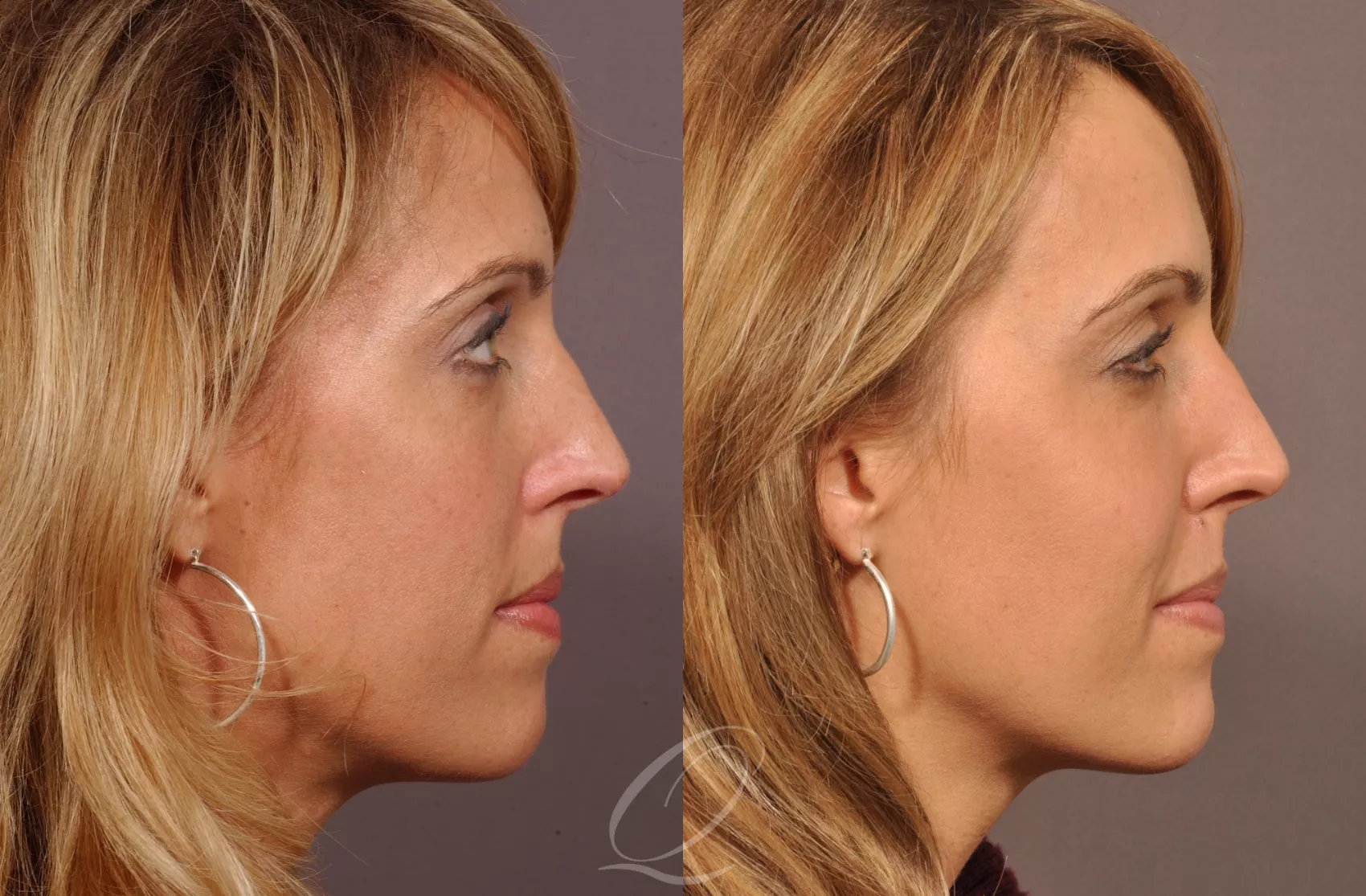
When people think of “facial augmentation,” they often imagine dramatic change. In reality, the best augmentation is subtle and structural—it strengthens weak points, restores balance, and improves definition without making the face look overdone. That’s exactly why PLASTIC SURGERY Facial Augmentation has become so popular: it’s a way to refine the face by improving the framework that supports everything you see in the mirror.
Instead of chasing trends, modern augmentation focuses on proportions—how the cheeks support the midface, how the chin anchors the profile, and how the jawline frames the face. When those elements are aligned, the entire face looks sharper, fresher, and more confident—while still looking like you.
What Facial Augmentation Really Means (And What It Doesn’t)
Facial augmentation is the process of enhancing shape, projection, or definition in areas that look flat, recessed, unbalanced, or softened with age. This can be done without surgery using advanced injectables, or with surgery when a permanent structural change is needed.
It does not mean you’re trying to “change your face.” It means you’re improving how your existing features work together—especially from side angles and in photos, where imbalance is often more obvious.
The Two Main Reasons People Choose Facial Augmentation1) Rejuvenation (restoring what time has reduced)
As we age, the face loses structural support. Bone subtly resorbs, fat pads shift, and the skin drapes differently. You may notice:
- less cheek definition
- deeper folds around the mouth
- a softer jawline
- a weaker-looking chin or less sharp profile
Augmentation can rebuild that support so the face looks fresher without “stretching” the skin.
2) Beautification (enhancing what genetics didn’t provide)
Some people have naturally flatter cheeks, a recessed chin, or less jaw definition even in their 20s. Augmentation helps create balance and proportion—for example:
- stronger chin projection for a cleaner profile
- cheek structure that gives the face lift and shape
- jawline enhancement that frames the lower face
The key difference is the goal: rejuvenation aims to bring you back, while beautification aims to refine you forward.
Why Cheeks and Chin Are Often Treated Together
It’s common for people to focus on one feature (usually cheeks or chin), but the face works like a system. If you lift the cheeks without supporting a weak chin, the face can look top-heavy. If you project the chin without midface support, the lower third can look too strong.
That’s why a balanced plan often pairs the two:
- Cheeks give lift, structure, and midface support
- Chin creates profile balance and jawline stability
When both are in harmony, the face looks naturally contoured, not artificially “filled.”
Facial Augmentation Options: Non-Surgical vs SurgicalNon-surgical facial augmentation (injectables)
This approach can be ideal if you want flexibility, gradual change, and little downtime.
Common tools include:
- Hyaluronic Acid fillers for immediate shaping and reversibility
- Collagen-stimulating injectables for longer-term refinement
- Strategic deep placement to mimic bone support rather than surface puffiness
This is often chosen by people who want to “try the look” before committing to permanent changes.
Surgical facial augmentation (implants or bone-based changes)
Surgery may be considered when someone wants:
- a permanent change
- stronger projection than injectables can safely deliver
- correction for more structural deficiency or imbalance
The advantage is durability; the tradeoff is recovery and commitment.
The Most Common Areas Targeted in Facial AugmentationCheeks (midface structure)
Cheek augmentation isn’t about making the face look round—it’s about restoring the scaffolding that supports the under-eye area and gives the face shape in natural lighting.
A skilled approach creates:
- improved cheek contour without puffiness
- smoother transitions under the eyes
- reduced heaviness around smile lines
Chin (profile and lower-face anchor)
The chin is the “quiet feature” that changes everything. A recessed chin can make the nose look larger and the neck look softer. Enhancing the chin can:
- sharpen the profile
- improve facial thirds
- strengthen the jawline look
Pre-jowl and jawline definition
Some people feel their jawline is blurred even when they’re not overweight. In many cases, it’s structural—caused by mild recession, early laxity, or volume shifts. Augmentation can create a cleaner jawline outline without making it look bulky.
How to Avoid the “Overfilled” Look
The biggest mistake people make is thinking more volume equals more beauty. It doesn’t. Natural augmentation depends on:
- structural placement (deep, not superficial)
- correct product choice (support vs softness)
- respecting the face’s natural proportions
- balancing both sides rather than chasing perfection
The goal is definition—not puffiness.
Who Is a Good Candidate?
You may be a good candidate if you:
- feel your profile looks weak or unbalanced
- notice midface flattening or under-eye hollowness
- want more definition in photos
- want subtle contour improvement without surgery
- have realistic expectations (refinement, not transformation)
For a comprehensive, medically guided aesthetic plan in a multi-specialty setting, many patients begin their consultation pathway through Liv Hospital, especially when they want a structured approach that prioritizes natural outcomes and safety.
Keeping Results Looking Fresh Over Time
Your face continues to change with age, lifestyle, stress, sleep, and weight fluctuation. The smartest long-term approach is combining structural improvements with habits that protect skin quality and facial health. If you want simple wellness strategies that support aesthetic results—especially after you’ve completed your treatment plan—you can explore lifestyle guidance at live and feel.