 Home
Home

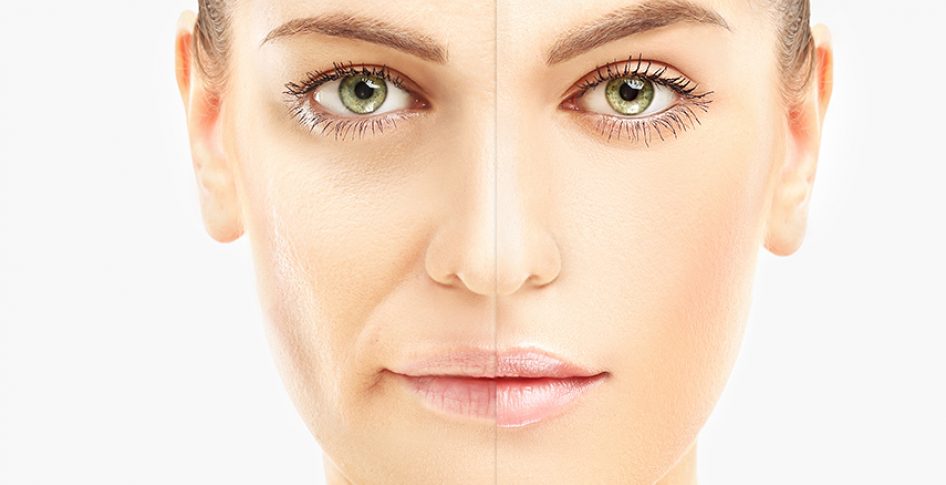
Most people don’t wake up one day and suddenly “look older.” It’s usually a slow shift—your face looks a bit more tired in photos, makeup sits differently, or your jawline seems softer even when your weight hasn’t changed. That’s because facial aging isn’t just about wrinkles. It’s a combination of volume loss, skin thinning, repetitive muscle movement, and changes in facial support.
Modern PLASTIC SURGERY Facial Rejuvenation focuses on that bigger picture. Instead of chasing lines one by one, it aims to restore harmony across the face so the result feels like you, just more refreshed.
Why Faces Age in “Layers” (And Why That Matters)
A useful way to understand rejuvenation is to think of the face in layers:
- Foundation (bone and deep support): With time, facial support subtly reduces, especially around the cheeks and jaw.
- Cushion (fat compartments): Some areas lose volume (cheeks/temples), while others appear heavier (lower face).
- Movement (muscles): Repeated expressions create dynamic lines that eventually become visible even at rest.
- Surface (skin quality): Texture, pores, pigmentation, and elasticity change, making light reflect differently.
When someone treats only one layer—like smoothing a wrinkle without addressing volume—results can look incomplete. That’s why comprehensive facial rejuvenation is often designed as a balanced, step-by-step plan rather than a single quick fix.
Step 1: Start With the “Tired Look” Triggers
Many people describe the same concerns, even if their faces are very different:
Under-eye hollowness and shadowing
Often caused by volume shifts and light changes. The goal isn’t to “fill” until puffy—it’s to soften harsh shadows and restore smoother transitions.
Flattened cheeks or temple hollowing
This can make the midface look heavier and pull attention downward. Restoring gentle support here can improve overall balance without changing your identity.
A softer jawline
Not always just “skin laxity.” It can be a mix of tissue descent, muscle pull, and volume redistribution. Rejuvenation plans usually focus on improving contour while keeping the jawline natural.
Step 2: Choose Treatments Based on the Cause (Not the Symptom)
A meaningful rejuvenation approach matches the method to what’s actually happening.
Neuromodulators for expression-driven lines
If lines deepen mostly when you frown, squint, or raise your brows, the issue is often muscle activity. Carefully placed neuromodulators relax overactive areas so skin can look smoother—without freezing expression. Think “softening” rather than “shutting off.”
Common goals:
- smoothing frown tension
- reducing crow’s feet sharpness
- easing forehead creasing
- subtly lifting the brow when appropriate
Fillers and biostimulators for support and shape
Volume treatments work best when they’re used strategically—often to support rather than simply enlarge. Different products behave differently, which is why the plan should reflect facial anatomy and desired finish.
Common goals:
- restoring cheek structure without over-rounding
- refining the chin/jawline in proportion
- softening deep folds by improving support nearby
- adding hydration and balance in the lips without “overfilling”
Biostimulators are sometimes chosen when the aim is collagen support and gradual improvement rather than immediate volume.
Energy-based tightening for firmness and texture
When skin quality is the main complaint—fine texture, dullness, mild looseness—energy treatments may be the better starting point. They work by creating controlled stimulation so the skin produces more collagen over time.
Common goals:
- improving skin firmness and bounce
- refining pores and texture
- reducing mild laxity along the lower face/neck
- brightening uneven tone and pigmentation
The key is sequencing: tightening devices and resurfacing are usually most effective when they are planned around injectables—not randomly layered.
Step 3: Build a “Natural Change” Strategy
The most convincing rejuvenation rarely comes from a single dramatic session. It usually comes from:
- small corrections in the right places
- leaving movement intact
- improving light reflection (how the face catches light)
- preserving your facial proportions
A useful mindset is: aim to look well-rested and healthy, not younger in an obvious way. That’s the difference between “people notice something” and “people say you look great.”
This is also why good planning is as important as technique. Clinics that take a full-face view and align treatment to anatomy can reduce the risk of the overfilled or overly tight look.
Who Benefits Most From Non-Surgical Rejuvenation?
Non-surgical options are often ideal if you have:
- mild to moderate changes in volume or contour
- early laxity with decent skin elasticity
- lines that are more movement-based than skin-excess based
- realistic expectations about gradual improvement
If there is significant loose skin or heavy descent, non-surgical treatments can still help—but the plan typically focuses on enhancement and maintenance, not full surgical-level correction. An experienced team will explain what can be achieved and what can’t.
For those exploring options in a medically supervised setting, many patients prefer a structured consultation environment like Liv Hospital because it supports a more comprehensive assessment rather than a one-size-fits-all approach.
Aftercare and Longevity: What Keeps Results Looking “Fresh”
How long results last depends on the modality, but the bigger point is this: your daily habits affect the canvas. Treatments can rebuild structure and stimulate collagen, but long-term radiance comes from consistency—sleep, hydration, sun protection, stress management, and diet patterns that reduce inflammation.
If you want practical wellness routines that complement aesthetic treatments (and are easy to maintain in real life), you’ll find supportive lifestyle ideas at live and feel.