
 Home
Home

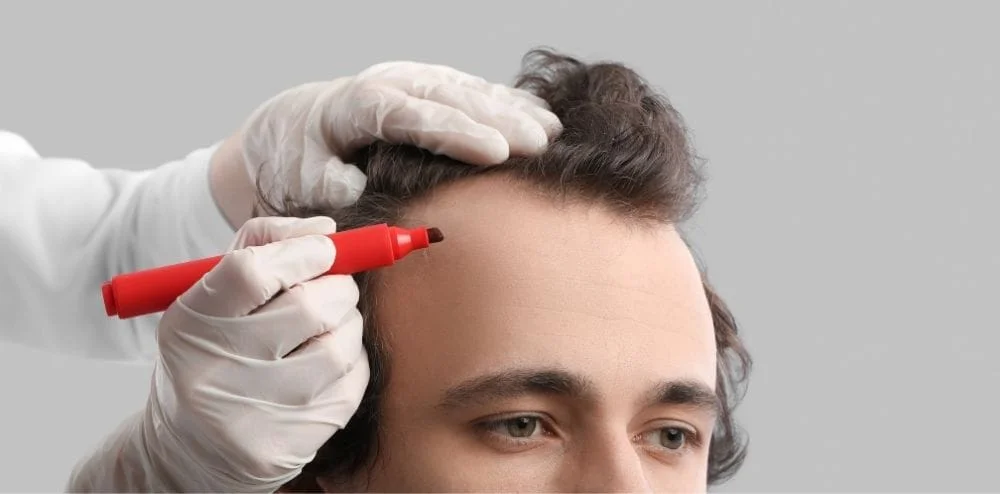
Hair restoration represents a transformative medical solution for individuals experiencing hair loss, offering hope and renewed confidence. This meticulously planned medical process aims to achieve natural and long-lasting results through advanced surgical techniques. Understanding each intricate step of hair transplantation helps patients make informed decisions and set realistic expectations before undergoing treatment. Modern hair restoration goes beyond simple cosmetic intervention, representing a sophisticated blend of medical expertise, artistic precision, and technological innovation. Patients seeking hair transplantation embark on a journey that requires comprehensive understanding, careful planning, and personalized approach tailored to individual hair loss patterns and aesthetic goals.
Table of Contents
Understanding Hair Loss and Candidacy for Transplant
Hair loss emerges from complex physiological interactions involving genetic predisposition, hormonal changes, medical conditions, and lifestyle factors. Comprehensive evaluation becomes critical in determining a patient’s suitability for hair transplantation. Genetic conditions like androgenetic alopecia represent the most common cause, characterized by progressive hair thinning and potential baldness. Medical professionals conduct thorough assessments examining scalp health, hair follicle quality, overall health history, and potential underlying medical conditions. Age, existing hair density, donor area characteristics, and potential future hair loss progression significantly influence transplant candidacy. Younger patients might require more nuanced planning to account for potential ongoing hair loss patterns, while older individuals may have more stable hair loss trajectories.
Initial Consultation and Scalp Assessment
Professional hair restoration centers like Liv Hospital conduct comprehensive initial consultations utilizing advanced diagnostic technologies to evaluate scalp health comprehensively. Specialized imaging techniques and microscopic density measurements enable surgeons to create customized surgical strategies matching individual facial structures and aesthetic expectations. Experienced specialists meticulously examine donor hair quality, scalp condition, hair loss pattern, and potential grafting areas. Detailed discussions help patients understand potential outcomes, realistic expectations, and potential limitations of the procedure. Comprehensive medical history review ensures patient safety, identifying potential contraindications or health risks that might impact surgical intervention. Digital imaging and three-dimensional scalp mapping provide precise visual representations of potential restoration strategies.
Designing a Natural Hairline
Creating a natural-looking hairline represents the most artistically challenging aspect of hair transplantation. Skilled surgeons consider multiple factors including age, facial proportions, existing hair loss pattern, and potential future hair loss progression. The goal involves designing a hairline that seamlessly integrates with patient’s natural facial features, appearing undetectable and harmonious. Artistic precision requires understanding subtle nuances of hair growth angles, density variations, and aesthetic symmetry. Surgeons typically avoid perfectly straight hairlines, instead creating irregular, slightly asymmetrical designs mimicking natural hair growth patterns. Careful consideration of facial structure, age-appropriate hairline positioning, and potential future hair loss ensures long-term aesthetic satisfaction.
Overview of Hair Transplant Planning and Procedure
Hair transplant planning and procedure involves meticulous mapping of donor and recipient areas, requiring surgical expertise and technological precision. Specialized medical teams develop comprehensive strategies minimizing graft damage while maximizing hair density and natural appearance. Detailed pre-surgical planning includes evaluating donor hair quality, assessing scalp condition, and determining optimal extraction and implantation techniques. Surgeons utilize advanced microscopic technologies to ensure minimal trauma during follicle extraction and precise placement. Strategic graft distribution considers natural hair growth direction, angle, and density variations across different scalp regions. Computer-assisted planning tools enable surgeons to create highly personalized restoration strategies tailored to individual patient characteristics.
Extraction Techniques: FUE vs. FUT
Modern hair transplantation primarily employs two prominent extraction techniques: Follicular Unit Extraction (FUE) and Follicular Unit Transplantation (FUT). FUE represents a minimally invasive approach involving individual follicle extraction using specialized micropunch tools, leaving tiny, nearly invisible scars. This technique offers faster recovery, minimal scarring, and greater flexibility in donor area selection. Conversely, FUT involves removing a small strip of scalp tissue, allowing extraction of larger graft numbers in single sessions. Each technique possesses unique advantages, and surgeon recommendations depend on individual patient characteristics, hair loss extent, and specific restoration goals. Patient-specific factors like scalp laxity, donor area characteristics, and desired outcome significantly influence technique selection.
Graft Preparation and Implantation Process
Precise graft preparation represents a critical phase in successful hair transplantation. Extracted follicles undergo microscopic examination and careful preservation to maintain viability. Specialized medical teams handle grafts with extreme delicacy, minimizing potential damage during extraction and reimplantation. Advanced cooling and hydration techniques ensure optimal graft survival rates. Surgeons strategically implant grafts considering natural hair growth patterns, creating multi-dimensional, texture-rich restoration. Microscopic precision allows placement of grafts at specific angles and depths, replicating natural hair emergence. Sophisticated implantation techniques enable creation of dense, natural-looking results that seamlessly integrate with existing hair.
Recovery Timeline and Post-Procedure Care
Post-surgical recovery involves gradual healing and adaptation processes. Patients typically resume daily activities within days following procedure, experiencing mild temporary swelling or redness. Adherence to medical recommendations regarding scalp washing, medication, and activity restrictions ensures optimal healing and graft survival. Initial weeks involve gentle care and protection of transplanted area. Minor scabbing and temporary shedding represent normal recovery stages. Patients should avoid direct sunlight, strenuous activities, and potential scalp trauma during initial healing period. Regular follow-up consultations enable medical professionals to monitor healing progress and address potential complications.
Long-Term Results and Maintaining Hair Health
Transplanted hair gradually enters natural growth cycles, with final results becoming visible over several months. Ongoing scalp care, balanced nutrition, and healthy lifestyle habits support long-term restoration success. Patients may require supplementary treatments or medications to maintain hair density and prevent further loss. Regular medical consultations help monitor hair restoration progress and develop personalized maintenance strategies. Psychological benefits extend beyond physical restoration, often significantly improving patient confidence and self-perception, while wellness resources like live and feel can provide additional guidance on maintaining a healthy lifestyle and overall well-being.