 Home
Home

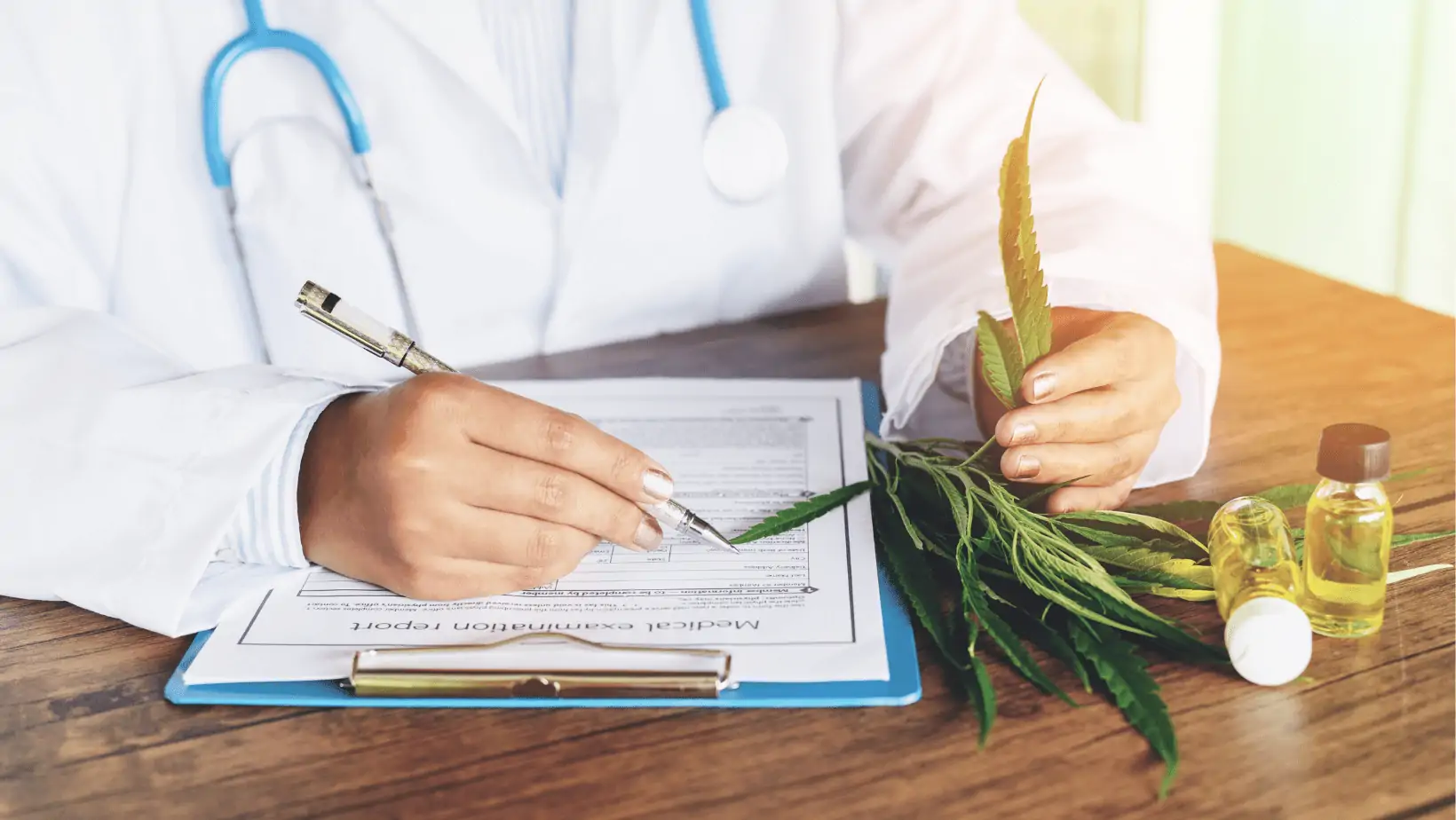
The legalization of medical cannabis has transformed countless lives, providing relief where conventional treatments failed or produced intolerable side effects. Behind every statistic about medical marijuana use stands a real person whose quality of life improved through cannabis access. These patient stories illuminate why medical cannabis matters beyond political debates and economic statistics. Understanding real experiences helps reduce stigma, informs policy discussions, and guides other patients considering cannabis for their own health challenges.
Sarah’s chronic pain journey began with a car accident at age 32. Multiple surgeries followed, leaving her with persistent nerve pain that conventional medications barely touched. Opioid prescriptions provided some relief but came with devastating side effects—constipation, mental fog, and mounting dependence concerns. After years of suffering and watching opioid addiction claims lives in her community, Sarah researched medical cannabis as an alternative. Her initial dispensary visit felt intimidating, but knowledgeable staff helped her understand cannabinoid ratios and start with conservative doses. Within weeks, she noticed meaningful pain reduction. Three months later, she’d eliminated opioids entirely, managing pain with cannabis while maintaining mental clarity and avoiding constipation that had plagued her. “Cannabis gave me my life back,” Sarah explains. “I can work, play with my kids, and function normally. That seemed impossible on opioids.”
Michael’s epilepsy diagnosis at age seven devastated his family. Despite trying numerous anti-seizure medications, he experienced multiple seizures weekly. The medications that partially controlled seizures caused severe side effects—drowsiness, mood changes, and cognitive impacts that affected his school performance and quality of life. His parents researched CBD after reading about its FDA-approved use for certain epilepsies. Though skeptical, their neurologist agreed to supervised trial. The results proved remarkable—Michael’s seizure frequency dropped by over 80% on CBD extract. His cognitive fog lifted as pharmaceutical medication dosages decreased. He participated in normal childhood activities previously too risky. “We got our son back,” his mother recalls. “Watching him play soccer, something we never imagined possible, brought us to tears. CBD made his life livable.”
Jennifer’s anxiety and insomnia created a destructive cycle. Anxiety prevented sleep, and poor sleep worsened anxiety. Benzodiazepines helped initially but caused morning grogginess, memory problems, and withdrawal difficulties when she tried stopping. Her psychiatrist suggested exploring CBD as a gentler alternative. Jennifer approached cannabis nervously, concerned about intoxication and illegality despite her state’s medical program. Starting with CBD-only tinctures, she noticed subtle but meaningful anxiety reduction without impairment. Sleep improved significantly. She gradually reduced benzodiazepine dependence under medical supervision. “CBD isn’t a miracle cure, but it’s the missing piece in my mental health management,” Jennifer shares. “I feel like myself again—calm but clear-headed. I actually enjoy social activities again instead of dreading them.”
Robert’s cancer diagnosis at 67 brought devastating news and brutal treatment. Chemotherapy produced severe nausea that standard anti-nausea medications barely controlled. Weight loss and treatment delays threatened his survival prospects. His oncologist mentioned cannabis as a potential appetite stimulant and nausea remedy. Robert had never used cannabis, viewing it as “hippie stuff” despite his generation’s counterculture. Desperation overcame prejudice. Dispensary staff helped him find THC products specifically helpful for nausea and appetite. The difference proved immediate—nausea decreased dramatically, appetite returned, and he maintained strength through remaining treatment. “Cannabis might have saved my life by allowing me to complete treatment,” Robert reflects. “I wish I’d known about it sooner. My prejudices nearly cost me dearly.”
Lisa’s fibromyalgia made daily life torture. Widespread pain, sleep disturbances, and crushing fatigue limited her ability to work or enjoy activities she once loved. Standard fibromyalgia treatments—antidepressants, anticonvulsants, pain medications—provided marginal relief with significant side effects. Reading about cannabis’s pain and sleep benefits, Lisa obtained her medical card. Experimenting with different products and ratios, she found a balanced THC:CBD tincture taken before bed dramatically improved sleep quality. Morning CBD helped manage daytime pain without impairing function. Six months into medical cannabis use, she returned to part-time work and reconnected with hobbies. “Fibromyalgia still affects me, but cannabis makes it manageable rather than completely debilitating,” Lisa explains. “I have quality of life again.”
These stories share common themes: conventional treatment limitations, often severe side effects from standard medications, initial hesitation about cannabis due to stigma or lack of knowledge, and significant quality of life improvements once they found appropriate cannabis products and doses. Medical cannabis patients typically approach cannabis seriously, as medicine rather than recreation. They educate themselves about cannabinoids, carefully consider dosing, and work within legal frameworks.
The diversity of conditions cannabis helps manage defies simple categorization. Patients use it for pain, anxiety, sleep, seizures, nausea, inflammation, PTSD, eating disorders, and countless other applications. No single product works universally—what helps Sarah’s pain might not work for Lisa’s fibromyalgia. This individuality necessitates patient education, experimentation, and knowledgeable guidance from dispensary staff or healthcare providers familiar with cannabis medicine.
Access barriers persist despite legalization in many states. Cost represents significant obstacles for patients on fixed incomes. Insurance rarely covers medical cannabis, forcing out-of-pocket spending that some can’t afford. Geographic access challenges exist in areas with few dispensaries or where local governments prohibit cannabis businesses. Federal prohibition creates employment, housing, and legal vulnerabilities even in legal states. These barriers mean that many patients who could benefit from cannabis cannot access it.
Healthcare provider education gaps also limit medical cannabis use. Many physicians remain uncomfortable discussing or recommending cannabis due to federal restrictions, limited training on cannabis medicine, or personal biases. Patients struggle to have informed conversations with providers about incorporating cannabis into treatment plans. This knowledge gap forces patients to navigate cannabis largely alone, though dispensary staff often provide valuable guidance that healthcare professionals might otherwise offer.
Research limitations stemming from federal prohibition mean cannabis medicine operates with less evidence than conventional pharmaceuticals. While substantial research supports certain applications—particularly CBD for epilepsy and THC for chemotherapy-related nausea—many uses lack rigorous clinical trial evidence. Patients and providers make decisions based on limited data, anecdotal experiences, and emerging research rather than the gold-standard evidence conventional medicine demands.
Despite challenges, medical cannabis patients overwhelmingly report positive experiences. Survey research consistently shows high satisfaction rates among medical cannabis patients, with many reporting reduced pharmaceutical medication use. Quality of life improvements extend beyond symptom management to psychological benefits from reduced pharmaceutical dependence and renewed ability to engage with life.
The future of medical cannabis appears promising. Research is expanding as federal restrictions slowly ease. Pharmaceutical companies are developing standardized cannabis-based medications for specific conditions. Healthcare provider education is improving, with more medical schools incorporating cannabis medicine into curricula. Stigma continues declining as more patients share their stories and more research validates cannabis’s therapeutic potential.
For medical cannabis patients like Sarah, Michael, Jennifer, Robert, and Lisa, cannabis represents more than a trending alternative—it’s a legitimate medical intervention that meaningfully improved their lives. Their stories deserve hearing not to universally endorse cannabis but to acknowledge that for many patients facing serious health challenges, cannabis provides relief unavailable elsewhere. Supporting medical cannabis access means respecting these patient experiences and removing barriers preventing sick people from accessing potentially helpful treatments. As one patient expressed: “Cannabis didn’t cure me, but it gave me back the ability to live rather than just survive. For that, I’m eternally grateful.”