
 Home
Home

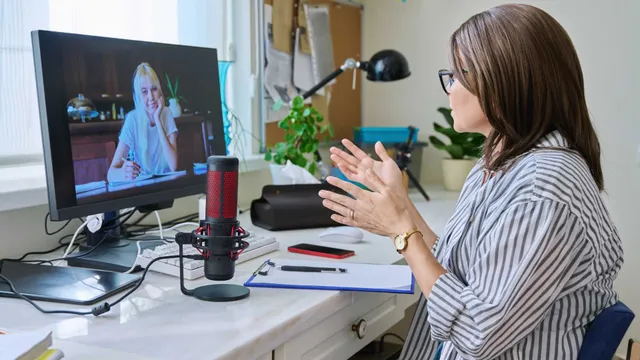
The landscape of mental health care has changed rapidly in recent years, and by 2026, virtual psychiatry has become an essential component of how psychiatric services are delivered. From urban centers to rural communities, remote mental health care offers unprecedented access, flexibility, and continuity of treatment. Though once considered a temporary solution during crises like the COVID-19 pandemic, virtual psychiatry now stands on its own as a robust, evidence-based approach that complements traditional in-person care.
Table of Contents
The Growth of Virtual Modalities
Virtual psychiatry encompasses a wide range of remote services: video consultations, chat-based therapy, asynchronous check-ins, and app-supported programs that track symptoms and support self-management. High-quality video platforms replicate many features of face-to-face appointments, enabling psychiatrists to observe facial expression, vocal tone, and other subtle cues critical for assessment. For many patients, especially those with mobility issues or limited transportation options, these digital interactions have removed long-standing barriers to care.
Clinical Effectiveness and Patient Satisfaction
Research now consistently shows that virtual psychiatry can be as effective as in-person care for many conditions, including anxiety, depression, PTSD, and bipolar disorder. Patients report high levels of satisfaction, often citing convenience and the comfort of being treated from a familiar environment. Psychiatrists also find virtual platforms beneficial for monitoring medication effects, conducting follow-ups, and coordinating care with other providers.
Still, virtual care is not a one-size-fits-all solution. Certain complex cases—such as individuals in acute crisis, those needing comprehensive neurological exams, or patients with significant cognitive impairment—may require in-person evaluation and intervention. In 2026, the highest standard of care integrates virtual and in-person modalities based on each person’s unique needs.
Increased Accessibility for Underserved Communities
One of the most profound impacts of virtual psychiatry has been its ability to reach populations historically underserved by traditional mental health systems. Rural areas, low-income neighborhoods, and regions with few practicing psychiatrists now have improved access to expert care. For a patient in Boone County, Indiana, for example, a Zionsville psychiatrist can provide specialized psychiatric evaluations without the patient needing to travel hours for an appointment.
Insurance reforms have also expanded coverage for virtual services, reducing out-of-pocket expenses for patients. Employers and schools increasingly offer telepsychiatry as part of wellness programs, normalizing mental health care and helping individuals seek support earlier.
Technology that Enhances Connection
What sets virtual psychiatry apart from older phone-based models is the integration of advanced technology. Secure platforms support real-time video and audio, interactive tools for symptom tracking, and even virtual reality (VR) environments for therapeutic exercises. These digital resources help psychiatrists deliver personalized care and engage patients between sessions.
Artificial intelligence (AI) and machine learning play supporting roles, offering clinicians deeper insights into symptom patterns and treatment responses. AI-driven analytics can highlight subtle changes in speech, activity levels, or sleep patterns that might otherwise go unnoticed, helping a Zionsville psychiatrist fine-tune a treatment plan more quickly.
Maintaining Human Connection in a Digital World
Despite the technological sophistication of virtual psychiatry, the core of effective mental health care remains the human connection. Skilled clinicians use empathy, reflective listening, and nuanced clinical judgment—qualities that cannot be automated. Virtual platforms, therefore, function as tools that support rather than replace the therapeutic relationship.
For many patients, seeing a familiar face on a screen still fosters deep trust and emotional safety. Some individuals even find it easier to open up from their own homes, creating an environment conducive to honest, meaningful dialogue.
Challenges and Solutions
While the benefits of virtual psychiatry are clear, challenges remain. Not all patients have reliable broadband access, compatible devices, or private spaces in which to conduct sessions. Digital literacy varies, especially among older adults, requiring clinicians to offer additional support and guidance.
Privacy and security are also critical concerns. Platforms must comply with stringent health data protections, and clinicians are trained to maintain confidentiality even when patients attend sessions from shared living spaces.
Efforts to address these challenges include partnerships with community centers and libraries to offer private telehealth stations, telepsychiatry training for patients, and ongoing investment in secure technology.
The Future of Psychiatric Care
Looking ahead, virtual psychiatry is poised to become even more integrated into comprehensive mental health systems. Hybrid models—where patients alternate between in-person and virtual visits—enhance continuity and flexibility. Collaborative care teams use virtual communication to coordinate with primary care, social services, and specialty providers.
For clinicians like a Zionsville psychiatrist, virtual psychiatry adds depth and breadth to clinical practice. It allows them to connect with patients in real-time across distances, monitor progress more closely, and adapt treatment plans responsively.
In 2026, virtual psychiatry represents more than a set of digital tools—it symbolizes a shift toward patient-centered, accessible, and adaptive mental health care. As technology continues to evolve, the potential for earlier interventions, preventive strategies, and equitable access grows with it, offering hope and healing to individuals and communities alike.