
 Home
Home

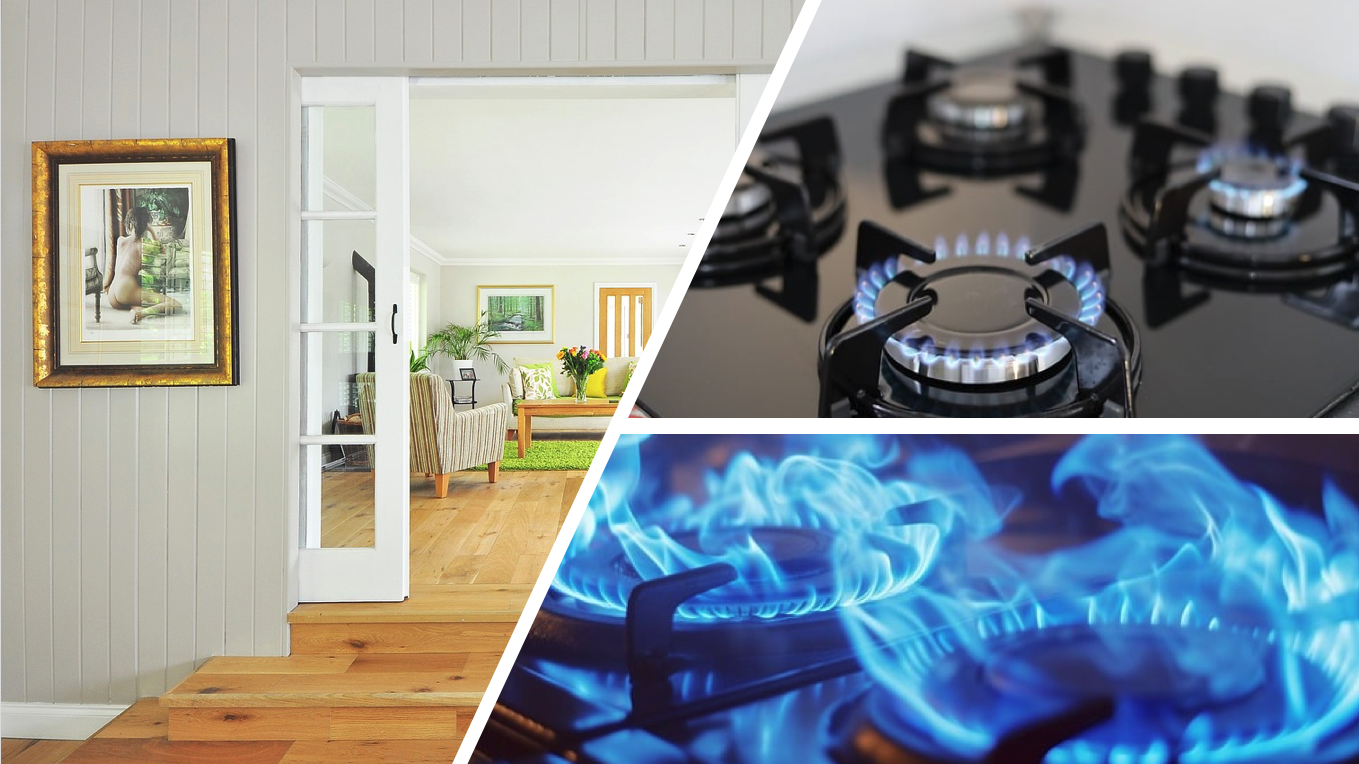
We spend approximately 90% of our time indoors, yet most of us rarely stop to think about the quality of the air we breathe inside our homes. From mysterious odors lingering in the kitchen to faint gas-like smells near appliances, our noses are constantly picking up signals that something might be off. But can bad smells actually affect your health? And if you rely on natural gas in your household, what uses gas in a house, and could those appliances be contributing to poor indoor air quality?
This comprehensive guide explores the fascinating — and sometimes alarming — connection between bad smells and your well-being, breaks down every gas-powered appliance commonly found in homes, and offers practical advice to keep your living space safe, fresh, and healthy.
Can Bad Smells Affect Your Health?
The short answer is yes — bad smells can absolutely affect your health, and the impact goes far beyond simply being unpleasant. While some odors are merely annoying, others serve as warning signs of hazardous substances in your environment. Understanding the difference is crucial.
The Science Behind Smell and Health
Our sense of smell is one of the most primitive and powerful senses we possess. The olfactory system is directly connected to the brain’s limbic system, which governs emotions, memory, and certain physiological responses. When you inhale an unpleasant odor, your brain doesn’t just register the smell — it triggers a cascade of physical and psychological reactions.
Research published in environmental health journals has consistently shown that exposure to bad smells can cause:
- Headaches and migraines
- Nausea and vomiting
- Dizziness and lightheadedness
- Eye, nose, and throat irritation
- Difficulty concentrating
- Increased stress and anxiety levels
- Sleep disturbances
- Exacerbation of asthma and respiratory conditions
Even when the substance causing the smell is not directly toxic at low concentrations, the body’s stress response to a foul odor can elevate cortisol levels, raise blood pressure, and weaken the immune system over time.
Common Household Smells That Can Harm You
Not every bad smell in your home is dangerous, but several common household odors are linked to genuine health risks. Here are some of the most concerning:
1. Mold and Mildew Odors
That musty, damp smell in your bathroom, basement, or attic is almost certainly mold or mildew. Mold releases microscopic spores and volatile organic compounds (VOCs) into the air. Prolonged exposure can cause chronic respiratory problems, allergic reactions, skin rashes, and in severe cases, neurological symptoms. Black mold (Stachybotrys chartarum) is particularly dangerous and has been linked to serious lung conditions.
2. Gas Leaks (Rotten Egg Smell)
Natural gas is odorless in its pure form, but utility companies add a chemical called mercaptan to give it a distinctive rotten egg smell. If you detect this odor in your home, it could indicate a gas leak — a potentially life-threatening situation that can lead to carbon monoxide poisoning, fires, or explosions. We’ll cover this in greater detail later in this article.
3. Sewage Smells
A persistent sewage smell in your home usually points to a plumbing issue, such as a dry P-trap, a cracked sewer line, or a blocked vent pipe. Sewer gas contains a mix of hydrogen sulfide, ammonia, methane, and other gases. At low concentrations, it causes headaches and irritation. At higher concentrations, hydrogen sulfide can cause loss of consciousness and even death.
4. Chemical and Paint Fumes
New furniture, freshly painted walls, cleaning products, and adhesives release VOCs such as formaldehyde, benzene, and toluene. These chemicals produce strong odors and are known carcinogens or respiratory irritants. Off-gassing from new carpets and furniture can continue for weeks or even months.
5. Burning or Electrical Smells
A burning smell with no obvious source could indicate an electrical problem — overheating wires, a malfunctioning appliance, or even a fire starting behind your walls. Electrical fires are one of the leading causes of house fires, and the fumes from burning plastic and insulation are extremely toxic.
6. Smoke and Combustion Byproducts
Whether from cigarettes, a fireplace, or a malfunctioning gas appliance, smoke contains particulate matter, carbon monoxide, nitrogen dioxide, and hundreds of other harmful chemicals. Long-term exposure to indoor smoke significantly increases the risk of heart disease, lung cancer, and chronic obstructive pulmonary disease (COPD).
Psychological Effects of Bad Smells
Beyond the direct physical health impacts, bad smells take a significant toll on mental well-being. Studies have shown that people living near landfills, sewage treatment plants, or industrial facilities that produce foul odors report higher rates of depression, anxiety, and reduced quality of life. Inside the home, persistent bad odors can cause:
- Chronic stress and irritability
- Reduced appetite and nutritional issues
- Social embarrassment and isolation
- Decreased productivity and cognitive performance
- Poor sleep quality, leading to fatigue
The psychological burden of living with bad smells should not be underestimated. If your home has a persistent, unexplained odor, investigating and addressing the root cause is essential for both your physical and mental health.
What Uses Gas in a House? A Complete Breakdown
Now that we understand how bad smells — including gas-related odors — can affect health, it’s important to know exactly what uses gas in a house. Natural gas is one of the most common energy sources for residential properties, powering a wide range of appliances and systems. Understanding which appliances run on gas helps you monitor for leaks, maintain equipment properly, and make informed decisions about your home’s energy setup.
1. Gas Boilers and Central Heating Systems
The most common use of gas in UK and many other households is for central heating. A gas boiler heats water, which is then circulated through radiators or underfloor heating pipes to warm your home. Modern condensing boilers are highly efficient, but older models can develop faults that lead to gas leaks or carbon monoxide production. Annual servicing by a Gas Safe registered engineer is essential.
2. Gas Furnaces
In some homes, particularly in North America, a gas furnace is used instead of a boiler. The furnace heats air directly and distributes it through ductwork. Like boilers, furnaces require regular maintenance to operate safely and efficiently.
3. Gas Water Heaters
Many homes use a gas-powered water heater (or hot water cylinder with a gas immersion) to provide hot water for showers, baths, and taps. Tankless (on-demand) gas water heaters have become increasingly popular due to their energy efficiency and ability to provide endless hot water.
4. Gas Cookers and Hobs
Gas stoves, ovens, and hobs are preferred by many home cooks for their precise temperature control and instant heat. However, gas cooking appliances are a significant source of indoor air pollution. A 2022 study from Stanford University found that gas stoves can leak methane even when turned off, and cooking with gas releases nitrogen dioxide (NO₂) at levels that would violate outdoor air quality standards if measured outdoors.
Tip: Always use an extractor fan or range hood when cooking with gas to minimize indoor air pollution.
5. Gas Fireplaces
Gas fireplaces provide the cozy ambiance of a real fire without the hassle of wood. They run on natural gas or propane and are available in vented and ventless models. While convenient, ventless gas fireplaces can contribute to indoor air quality issues by releasing combustion byproducts directly into your living space. Vented models are generally safer from an air quality perspective.
6. Gas Dryers
Gas-powered tumble dryers are more energy-efficient than their electric counterparts and tend to dry clothes faster. They connect to your home’s gas supply and require proper ventilation to expel moisture and combustion gases outside.
7. Gas Outdoor Grills and BBQs
While technically outside the house, many homes have gas lines running to outdoor grills or built-in BBQ areas. These connections can develop leaks over time, especially if exposed to weather, so regular inspection is important.
8. Gas Pool and Spa Heaters
If you have a swimming pool or hot tub, there’s a good chance it’s heated by a gas heater. These units consume a significant amount of gas but can heat water much faster than electric alternatives.
9. Gas Generators
Some homes have backup gas generators that kick in during power outages. These are connected to the home’s natural gas line and provide a reliable emergency power source.
10. Gas Lighting
Although rare in modern homes, some properties — particularly period or heritage homes — still use gas lighting fixtures. Gas lamps are also popular for outdoor landscape lighting and porch lights in certain regions.
The Hidden Dangers: When Gas Appliances Go Wrong
Understanding what uses gas in a house is only half the equation. Knowing the risks associated with these appliances is equally important.
Carbon Monoxide: The Silent Killer
Carbon monoxide (CO) is produced when gas doesn’t burn completely. It’s colorless and odorless, making it impossible to detect without a carbon monoxide alarm. Symptoms of CO poisoning include headaches, dizziness, confusion, nausea, and in severe cases, death. Every home with gas appliances should have at least one carbon monoxide detector on each level, tested regularly.
Gas Leaks
A gas leak can occur from any appliance, pipe, or connection in your home. Signs of a gas leak include:
- The smell of rotten eggs or sulfur
- A hissing or whistling sound near a gas line
- Dead or dying houseplants
- A white cloud or dust cloud near a gas line
- Bubbles in water near a gas line
- Higher-than-normal gas bills
If you suspect a gas leak:
- Do not turn on or off any electrical switches or appliances
- Do not light matches or lighters
- Open windows and doors immediately
- Leave the property
- Call your gas emergency service from outside the home
Poor Ventilation
Many health problems associated with gas appliances stem from inadequate ventilation rather than the appliances themselves. When gas burns in a poorly ventilated space, it depletes oxygen and concentrates harmful byproducts like CO, NO₂, and particulate matter. Ensuring proper airflow in rooms with gas appliances is critical.
How to Protect Your Health from Bad Smells and Gas-Related Issues
Taking proactive steps can dramatically reduce the risks associated with indoor odors and gas appliances. Here is a practical checklist:
Ventilation and Air Quality
- Open windows daily to allow fresh air circulation, even in winter
- Use exhaust fans in kitchens, bathrooms, and laundry rooms
- Invest in an air purifier with a HEPA filter and activated carbon for odor removal
- Monitor indoor air quality with a smart air quality monitor that tracks VOCs, CO₂, humidity, and particulate matter
- Keep humidity levels between 30-50% to prevent mold growth
Gas Safety Measures
- Schedule annual gas appliance servicing with a certified professional
- Install carbon monoxide detectors on every level of your home and near sleeping areas
- Check gas connections regularly for signs of wear, corrosion, or damage
- Never block air vents or flues connected to gas appliances
- Know where your gas shut-off valve is and how to use it in an emergency
- Replace old gas appliances with modern, energy-efficient models that have built-in safety features
Addressing Bad Smells at the Source
Rather than masking bad smells with air fresheners (which often contain their own harmful chemicals), always investigate and address the root cause:
- Mold smells: Find and fix the moisture source, then professionally remediate the mold
- Sewage smells: Call a plumber to inspect your drainage system
- Chemical smells: Increase ventilation and consider removing the source of off-gassing
- Burning smells: Immediately investigate — check appliances, outlets, and wiring
- Persistent unexplained odors: Consider hiring an indoor air quality specialist
Upgrading Your Home for Better Air Quality
If you’re planning home improvements, consider upgrades that enhance indoor air quality:
- Install a whole-house ventilation system such as an MVHR (Mechanical Ventilation with Heat Recovery) unit
- Choose low-VOC paints, adhesives, and building materials for renovations
- Upgrade to induction cooking if you’re concerned about gas stove emissions
- Add houseplants that naturally filter air, such as peace lilies, spider plants, and snake plants
- Seal gaps and cracks in your home’s envelope to prevent outdoor pollutants from entering while maintaining controlled ventilation
The Future of Gas in Homes
The conversation around gas in homes is evolving rapidly. With growing awareness of both the health impacts and environmental concerns associated with natural gas, many countries are moving toward electrification. Heat pumps, induction cooktops, and electric water heaters are becoming increasingly popular and affordable. However, gas remains a dominant energy source in millions of homes, making proper safety practices and awareness more important than ever.
Whether you choose to stick with gas or transition to electric, staying informed about your home’s systems and their impact on your health is one of the smartest investments you can make.
Conclusion
So, can bad smells affect your health? Absolutely — from triggering headaches and nausea to indicating the presence of toxic substances like mold, sewer gas, or carbon monoxide. And when you understand what uses gas in a house — from boilers and cookers to fireplaces and dryers — you gain the knowledge needed to keep your home safe, efficient, and healthy for everyone who lives there.
Your home should be your sanctuary, a place where you feel comfortable, safe, and inspired. That’s why staying informed about everything from indoor air quality to home design and energy efficiency matters so much.
If you’re looking for expert guidance on making your home a better place to live, Home Comfort Experts (homecomfortexperts.co.uk) is an invaluable resource. This comprehensive website provides a wealth of knowledge on home improvement ideas, home design inspiration, and home décor tips — many drawn from stunning celebrity homes. Whether you’re planning a full renovation, searching for real estate tips, or simply want fresh ideas to elevate your living space, Home Comfort Experts covers it all. From practical DIY guides and energy-saving advice to the latest interior design trends and property insights, it’s your one-stop destination for all things home. Bookmark homecomfortexperts.co.uk today and start transforming your house into the home of your dreams — one that’s not only beautiful but also safe, healthy, and comfortable for years to come.