
 Home
Home

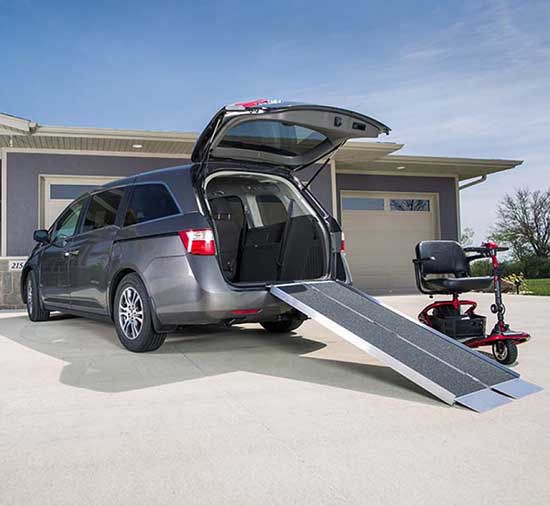
Florida is one of those states which has witnessed a large number of growing aging population, large veteran community and thriving tourism industry have significantly increased the demand for reliable accessibility solutions. From private residences to beachfront shops and event venues, safe entryways are no longer optional they are essential.
Portable wheelchair ramps are the go to solution flexible, convenient access for homes and businesses that need adaptable mobility support. In addition to portable systems, Curb Ramps play a key role in addressing smaller elevation changes outdoors. As we could witness that the accessibility solutions are growing and evolving at a massive rate working with a trusted Florida provider like Express Ramps ensures that property owners meet safety standards.
Table of Contents
Understanding Portable Wheelchair Ramps:
Before we search for the most reliable and suitable wheel chair ramps for your need it is essential to understand what these portable wheelchair ramps are built from. Portable wheelchair ramps are temporary or movable ramp systems designed to help individuals safely navigate steps, thresholds, vehicles, and raised entryways. Unlike permanent built-in ramps, portable models can be folded, stored, or relocated as needed.
In Florida, portable ramps are commonly used in residential homes for front entrances, at temporary events and festivals, for vehicle loading, and at small business entrances that require adaptable access. Their main advantage is flexibility. Property owners can quickly install or remove them without structural modifications, making them ideal for short-term needs or rental properties.
Key Safety Features to Look For:
There are endless aspects that a portable wheel chair ramp has to go through and therefore, here are some of the key aspects to note down before you could place the right order.
Safety:
Safety should always be the top priority when selecting a ramp. First, verify the weight capacity. The ramp must support not only the wheelchair user but also caregivers or mobility equipment. Many high-quality ramps support between 600 and 1,000 pounds.
Measurements:
Ramp length and slope are equally important. The ADA-recommended slope ratio is 1:12, meaning for every inch of vertical rise, the ramp should be at least 12 inches long. This ensures a manageable incline and reduces the risk of tipping or strain.
Weather conditions:
In Florida’s rainy and humid climate, non-slip surfaces are essential. Textured aluminum or grip-coated surfaces provide traction even during heavy rainfall. Side rails and raised edge barriers prevent accidental roll-offs, while secure attachment points reduce shifting during use. Choosing ADA-compliant designs adds an extra layer of assurance that the ramp meets nationally recognized safety standards.
Choosing Durable Material:
Florida’s environment presents unique challenges for mobility equipment. High humidity can accelerate corrosion, coastal salt air can degrade metals, and heavy rainfall combined with intense heat exposure can weaken certain materials over time.
Aluminum is one of the most popular materials for portable ramps because it is lightweight, rust-resistant, and easy to transport. It performs exceptionally well in humid and coastal regions. Steel ramps are extremely strong but heavier and more prone to rust if not properly treated or maintained.
Rubber is often used for Curb Ramps and threshold ramps. It offers excellent traction and flexibility while resisting weather damage. However, rubber is typically best for smaller elevation changes rather than longer inclines.
Selecting weather-resistant materials ensures the ramp remains structurally sound and safe despite Florida’s demanding climate conditions.
Residential vs. Commercial Needs:
Residential and commercial accessibility needs often differ significantly. In homes, portability and convenience may be the primary considerations, especially for temporary recovery situations or visiting guests.
Commercial properties in Florida must comply with accessibility regulations, which can involve stricter guidelines and inspection requirements. Businesses typically require higher weight capacities and more durable materials due to increased foot traffic and repeated daily use.
Temporary events may benefit from portable ramps that can be installed and removed quickly. However, for high-traffic business entrances with ongoing accessibility needs, permanent Curb Ramps or fixed ramp systems may provide greater stability and long-term reliability.
Understanding usage frequency and compliance requirements helps determine whether a portable solution or permanent installation is the better investment.
Choosing the Right Supplier:
Not all ramps are manufactured to the same standards. Purchasing from a reputable supplier ensures that the product meets safety guidelines and offers dependable performance. Look for providers that offer warranties, clear weight ratings, and detailed installation instructions.
Compliance assurance is particularly important for commercial properties. A knowledgeable supplier can guide customers through ADA considerations and recommend appropriate products for specific use cases.
Conclusion:
Selecting safe and durable portable ramps requires careful attention to slope, weight capacity, material quality, and proper measurements. Florida’s humidity, salt air, and heavy rainfall make weather-resistant construction especially important. Whether for a residence, event, or commercial property, investing in high-quality accessibility solutions ensures long-term safety and reliability.