 Home
Home

Nobody warns you about the underwear situation after birth. The whole conversation around preparation skips straight to nappies, bassinets, and feeding routines — and somehow the one thing a mother needs pressed against her recovering body gets completely overlooked. Postpartum underwear rarely makes it onto the hospital bag checklist. Then day two arrives, and suddenly it is the only thing that matters.
Table of Contents
The Hospital Leaves You Underprepared
Mesh underwear gets handed out in the ward and most mothers accept it without question. It does the job for a few hours, maybe. After that, it stretches, sags, and offers absolutely nothing in terms of support. The body after birth — whether vaginal or caesarean — is dealing with swelling, tenderness, and bleeding that regular underwear was never built for. Leaving the hospital without a proper alternative is one of the most common and easily avoidable oversights new mothers make.
C-Section Wounds React to Everything
A caesarean incision is far more sensitive than most women are told beforehand. The site stays reactive for weeks. Even a soft waistband can cause enough friction to inflame the surrounding skin, and the discomfort during something as simple as walking to the kitchen can be genuinely surprising. What gets talked about even less is the moisture issue. Fabric sitting directly against a healing wound traps heat and dampness, which quietly creates conditions where healing slows down. High-waisted postpartum underwear clears the incision entirely and removes both problems at once.
Lochia Catches Most Mothers Off Guard
Antenatal classes mention postnatal bleeding briefly and then move on. The reality is considerably more confronting. Lochia in the early days is heavy, unpredictable, and requires proper management. Maternity pads are bulkier than anything a standard underwear gusset is cut to hold. When a pad moves out of position — and with ill-fitting underwear, it will — the problem goes beyond inconvenience. It becomes a hygiene issue and a source of low-level anxiety that sits on top of everything else a new mother is already carrying.
Disposables Are Misunderstood
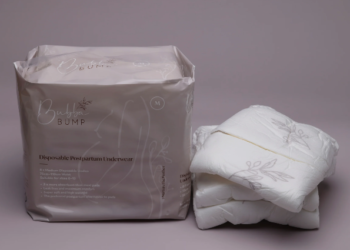
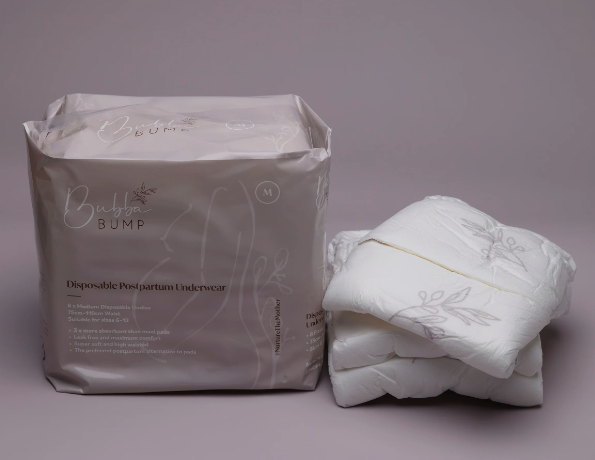
The assumption that disposable postpartum styles are flimsy and barely functional is not accurate. Good disposable options are structured, hold their shape through a full day of wear, and secure a maternity pad far better than mesh ever could. More importantly, they eliminate laundry from the equation entirely during the days when getting off the couch feels like a significant achievement. That is not a small thing. Reducing even one demand during the first week of recovery has a genuine impact on how a mother copes.
Why Bamboo Outperforms Cotton
Cotton has always been positioned as the safe, sensible choice for sensitive skin. Bamboo, though, does something cotton cannot. It actively regulates temperature rather than simply absorbing moisture. Postpartum night sweats are a hormonal response that many mothers experience but very few are warned about. Waking up damp and overheated on top of everything else is miserable. Postpartum underwear in bamboo fabric manages those temperature shifts quietly, without the skin ever feeling clammy or irritated.
Sizing Is Where Most Women Go Wrong
The urge to return to a smaller size as quickly as possible after birth is understandable but genuinely counterproductive. The uterus does not contract overnight. Abdominal swelling lingers. Skin around the hips and lower belly remains tender and reactive for longer than most women expect. Underwear that fits during pregnancy will feel restrictive postpartum, and that pressure does not just cause discomfort — it actively interferes with healing. Sizing up is not a concession. It is just practical.
Conclusion
The postpartum body deserves considered care, and that care extends to the most basic layer of clothing against healing skin. Postpartum underwear is not a niche product for complicated recoveries — it is something every mother benefits from having ready before birth rather than hunting for afterwards. The right style depends on how birth went, how recovery is progressing, and what the skin is responding to that particular week. Getting this one detail right does not fix everything about early motherhood, but it quietly removes a source of physical discomfort that nobody should have to deal with unnecessarily.