

• Contact Us
Tuesday, January 13, 2026
Healthke
https://www.yourmuscleshop.to/
  • Health
    • Mental Health
    • Women,s Health
    • Men,s Health
    • Health News
    • Home
  • Diet & Nutrition
    • Fitness
    • Healthy Food
  • Prevention & Treatment
    • Skin Care
    • Dental Care
    • Eyes Care
  • Wellness
    • Diseases
    • Cancer
  • Devices & Products
  • General
    • Reviews
    • Lifestyle
    • Education
  • Health
    • Mental Health
    • Women,s Health
    • Men,s Health
    • Health News
    • Home
  • Diet & Nutrition
    • Fitness
    • Healthy Food
  • Prevention & Treatment
    • Skin Care
    • Dental Care
    • Eyes Care
  • Wellness
    • Diseases
    • Cancer
  • Devices & Products
  • General
    • Reviews
    • Lifestyle
    • Education
No Result
View All Result
Healthke
No Result
View All Result
Home Prevention & Treatment

What to do with your Wisdom Teeth?

Barry Lachey by Barry Lachey
October 9, 2023
in Prevention & Treatment
0
Wisdom teeth Gordon are the last set of adult teeth to erupt, and they are located at the very back of your mouth. Wisdom teeth usually come through between the ages of 18 and 24. They are called wisdom teeth simply because we are thought to be “wiser” in our adult years. Statistics show that about 53% of the population have at least one wisdom tooth, whilst some people never develop wisdom teeth at all. If you do not have any wisdom teeth, don’t worry; they are thought to be vestigial, meaning they served a purpose at one point for our ancestors who ate a lot of raw, fibrous and hard foods, but we do not need them any more because our diets consist of cooked and softer foods. It is assumed that wisdom teeth mean trouble; however, this is not always the case. If they emerge normally and there is sufficient space in your mouth, wisdom teeth should be no trouble at all. Unfortunately, sometimes these teeth are unable to emerge normally because the jaw is too small for any more teeth; this is when problems begin. If the wisdom tooth emerges at an angle, it can put pressure on the gums and adjacent teeth, causing pain and discomfort. This pain may go away by itself or with the help of painkillers. Unfortunately, if the pain is severe or the wisdom tooth causes issues like infections, cysts, tumours, tooth decay or damage to the adjacent teeth, you may need to extract it. Wisdom teeth extraction The removal of wisdom teeth is one of the most common surgical procedures. This procedure is typically carried out under local anaesthesia or sedation, and for more complex cases, it can be done under general anaesthesia in a hospital. If the surgery is necessary, it should be done as soon as possible to avoid complications later on. Conventional tooth extraction is quite simple. You will be given local anaesthesia, which will eliminate any pain for your comfort and ease. If the tooth is fixed in place, the dentist will have to loosen it first using an elevator. They will then use a pair of forceps to pull the tooth out from the gums. If the tooth is already wobbly, then the process is a lot easier. Wisdom teeth extraction is more complicated. The dentist may have to make an incision in the gums to access the tooth easily, especially if it is impacted. The tooth may need to be broken up into smaller parts so that it can be removed. The process may take approximately 20 minutes, and you may require stitches if an incision has been made. The recovery can take up to 2 weeks, and you may be given antibiotics to prevent infections. You can revisit the dentist to make sure the process is coming along successfully or if you experience any issues. What if you don't remove your wisdom teeth? Not getting a problematic wisdom tooth removed can have a significant impact on your dental health as well as your overall health and well-being. To begin with, you may be in constant pain, which can affect your daily life and prevent you from going about your everyday activities. A wisdom tooth can cause your remaining teeth to become crooked and misaligned as it places pressure on them to make space for itself. Your teeth can become overcrowded, especially if you have wisdom teeth on either side of your jaw; this can increase the chance of tooth decay and gum disease. An impacted wisdom tooth can lead to a bacterial infection called pericoronitis. It can also lead to the development of a cyst or a tumour which can damage bone and gum tissue. Ask your dentist When you notice your wisdom teeth start growing, book an appointment with your dentist sooner rather than later, whether or not you are experiencing any problems. Your dentist will ensure your wisdom teeth are erupting correctly and that there is sufficient space for them to do so. If any issues are found, a treatment plan will be put together for you early on. Good dental hygiene and regular dental checkups will mean that you may be able to spot a wisdom tooth early on, and in this way, you can prevent any damage to your healthy teeth. Make sure you visit your dentist at least once every six months or more often where necessary to maintain healthy teeth and gums, and a beautiful, happy smile. Disclaimer What to do with your wisdom teeth
33
VIEWS
Share on FacebookShare on Twitter

Wisdom teeth Gordon are the last set of adult teeth to erupt, and they are located at the very back of your mouth. Wisdom teeth usually come through between the ages of 18 and 24. They are called wisdom teeth simply because we are thought to be “wiser” in our adult years.

Statistics show that about 53% of the population have at least one wisdom tooth, whilst some people never develop wisdom teeth at all. If you do not have any wisdom teeth, don’t worry; they are thought to be vestigial, meaning they served a purpose at one point for our ancestors who ate a lot of raw, fibrous and hard foods, but we do not need them any more because our diets consist of cooked and softer foods.

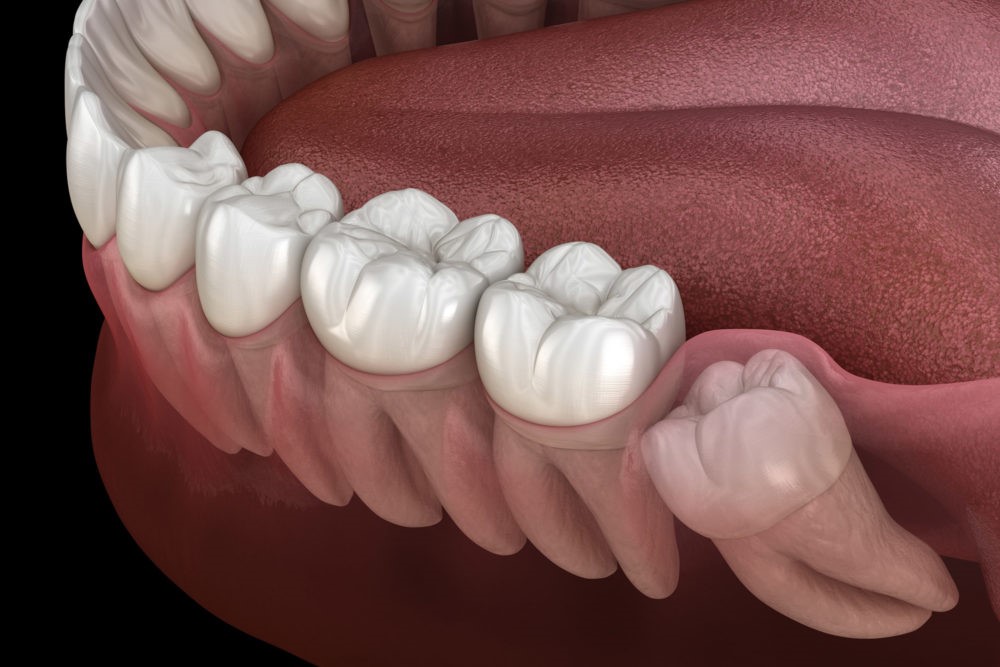
It is assumed that wisdom teeth mean trouble; however, this is not always the case. If they emerge normally and there is sufficient space in your mouth, wisdom teeth should be no trouble at all. Unfortunately, sometimes these teeth are unable to emerge normally because the jaw is too small for any more teeth; this is when problems begin. If the wisdom tooth emerges at an angle, it can put pressure on the gums and adjacent teeth, causing pain and discomfort. This pain may go away by itself or with the help of painkillers. Unfortunately, if the pain is severe or the wisdom tooth causes issues like infections, cysts, tumours, tooth decay or damage to the adjacent teeth, you may need to extract it.

Wisdom teeth extraction

The removal of wisdom teeth is one of the most common surgical procedures. This procedure is typically carried out under local anaesthesia or sedation, and for more complex cases, it can be done under general anaesthesia in a hospital. If the surgery is necessary, it should be done as soon as possible to avoid complications later on.

Conventional tooth extraction is quite simple. You will be given local anaesthesia, which will eliminate any pain for your comfort and ease. If the tooth is fixed in place, the dentist will have to loosen it first using an elevator. They will then use a pair of forceps to pull the tooth out from the gums. If the tooth is already wobbly, then the process is a lot easier.

Wisdom teeth extraction is more complicated. The dentist may have to make an incision in the gums to access the tooth easily, especially if it is impacted. The tooth may need to be broken up into smaller parts so that it can be removed. The process may take approximately 20 minutes, and you may require stitches if an incision has been made. The recovery can take up to 2 weeks, and you may be given antibiotics to prevent infections. You can revisit the dentist to make sure the process is coming along successfully or if you experience any issues.

What if you don’t remove your wisdom teeth?

Not getting a problematic wisdom tooth removed can have a significant impact on your dental health as well as your overall health and well-being. To begin with, you may be in constant pain, which can affect your daily life and prevent you from going about your everyday activities. A wisdom tooth can cause your remaining teeth to become crooked and misaligned as it places pressure on them to make space for itself. Your teeth can become overcrowded, especially if you have wisdom teeth on either side of your jaw; this can increase the chance of tooth decay and gum disease. An impacted wisdom tooth can lead to a bacterial infection called pericoronitis. It can also lead to the development of a cyst or a tumour which can damage bone and gum tissue.

Ask your dentist

When you notice your wisdom teeth start growing, book an appointment with your dentist sooner rather than later, whether or not you are experiencing any problems. Your dentist will ensure your wisdom teeth are erupting correctly and that there is sufficient space for them to do so. If any issues are found, a treatment plan will be put together for you early on. Good dental hygiene and regular dental checkups will mean that you may be able to spot a wisdom tooth early on, and in this way, you can prevent any damage to your healthy teeth. Make sure you visit your dentist at least once every six months or more often where necessary to maintain healthy teeth and gums, and a beautiful, happy smile.

Disclaimer

Any surgical or invasive procedure carries risks. Before proceeding, you should seek a second opinion from an appropriately qualified health practitioner.


Tags: wisdom teeth
Previous Post

Discreetly Revamp your Smile with Invisalign

Next Post

Veneers Sydney for a celebrity smile

Barry Lachey

Barry Lachey

Barry Lachey has been working for the Suffolk Cooperative Library System, providing cooperative services to the 29 public libraries in Suffolk County, New York. As the System Training and Operations Manager, Barry leads a team managing and providing support for an IPS shared by 30 of the member libraries from across the county. A certified Project Manager, Barry often coordinates large cooperative projects for the libraries in hIS consortium, and is actively involved in providing continuing education for the library professionals in her area.

RelatedPosts

How Long-Term Testing Methods Look at Patterns, Not Moments
Prevention & Treatment

How Long-Term Testing Methods Look at Patterns, Not Moments

by Crystal Jeans
December 26, 2025
98

Most people think medical or workplace tests are designed to catch a single mistake.That assumption creates unnecessary fear. In reality,...

Read more
Timing Tablets

An Honest Guide to Timing Tablets for First-Time Users

December 24, 2025
33
Chronic Eczema

Soothe, Heal, Renew: How Experts Manage Chronic Eczema

December 2, 2025
33
Thyroid Nodules

Understanding Benign Thyroid Nodules and How They’re Treated

December 2, 2025
33
Ogaei Connects Patients

Breaking Down Specialist Wait Times: How Ogaei Connects Patients to Specialists in 48 Hours

November 20, 2025
45
Chiropractic Care

Combining Chiropractic Care with Lifestyle Changes for Lasting Back Pain Relief

November 18, 2025
33
Next Post
Veneers Sydney for a celebrity smile

Veneers Sydney for a celebrity smile

Wellness Playbook

The Wellness Playbook: Practical Steps Towards Preventative Health

January 12, 2026
22

How Long Do Dental Veneers Last? Care Tips and Expectations

NAD+ Research Compound: Amino Blend Steps for Lab Work Today

When Support Becomes Essential in Overcoming Persistent Sadness

How Long Does Tretinoin Take to Work? Unveiling the Timeline for Clearer, Youthful Skin

The Complete Guide to Retinol Before and After in 2026

No Result
View All Result
Healthke

© 2024 Tech - All Rights are reserved Healthke.

Main Pages

  • Home
  • Healthke – All about your health
  • Any inquiry on healthke
  • Contact Us
  • Disclaimer

Follow Us

No Result
View All Result
  • Health
    • Mental Health
    • Women,s Health
    • Men,s Health
    • Health News
    • Home
  • Diet & Nutrition
    • Fitness
    • Healthy Food
  • Prevention & Treatment
    • Skin Care
    • Dental Care
    • Eyes Care
  • Wellness
    • Diseases
    • Cancer
  • Devices & Products
  • General
    • Reviews
    • Lifestyle
    • Education

© 2024 Tech - All Rights are reserved Healthke.

Welcome Back!

Login to your account below

Forgotten Password?

Retrieve your password

Please enter your username or email address to reset your password.

Log In
This website uses cookies. By continuing to use this website you are giving consent to cookies being used. Visit our Privacy and Cookie Policy.