 Home
Home

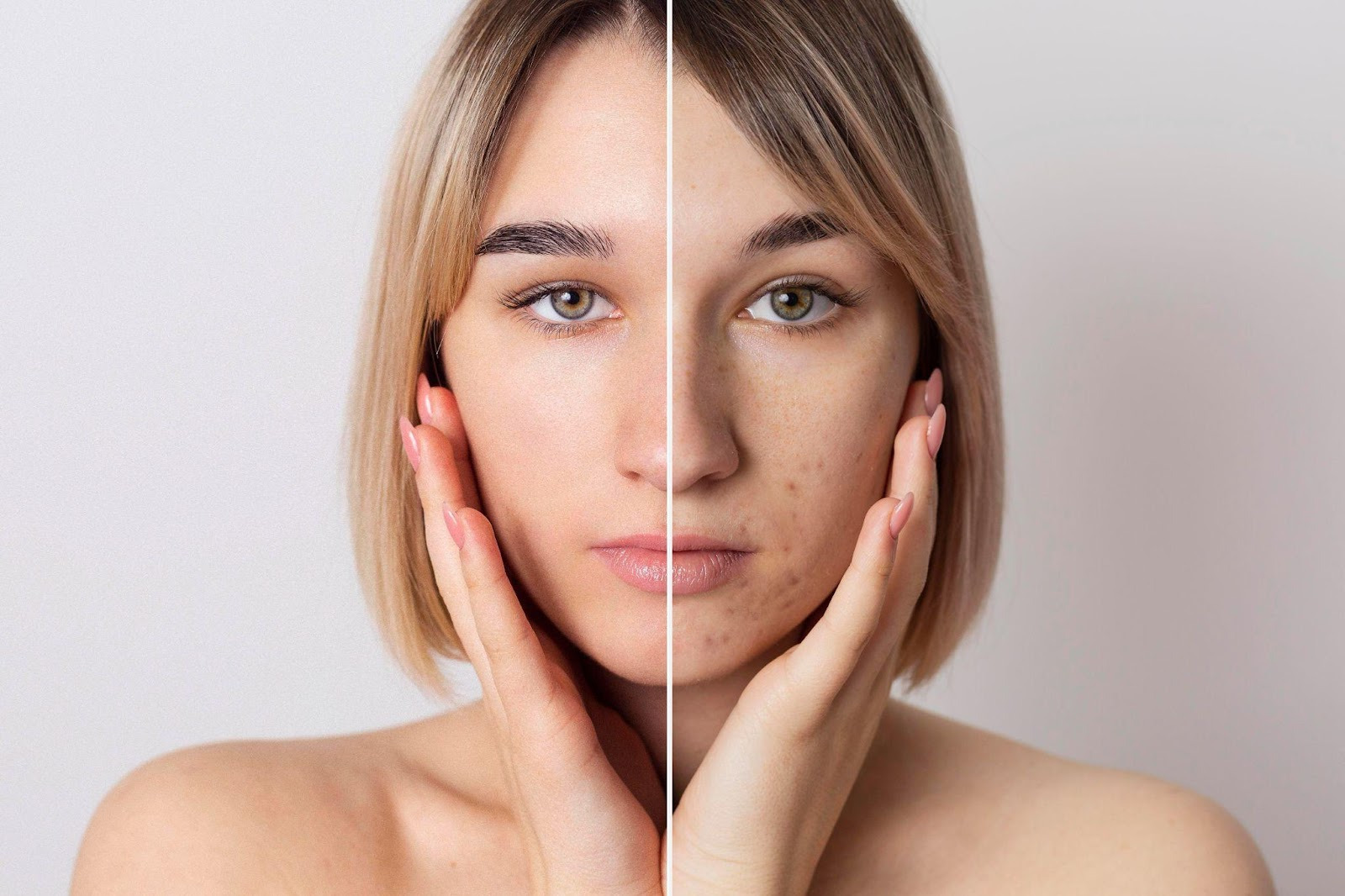
Retinol has become a cornerstone of modern skincare routines, renowned for its ability to diminish signs of aging, improve skin texture, and promote a youthful glow. Its reputation as a powerful anti-aging ingredient is backed by numerous scientific studies and countless user testimonials. However, understanding what to expect from retinol, what the transformation looks like, how long it takes, and how to maximize results can help set realistic expectations and ensure a positive skincare journey. In this comprehensive guide, we will explore the retinol process from initial application to the stunning before and after results, addressing common doubts and offering practical advice for achieving the best possible outcome.
What Is Retinol and Why Is It So Popular?
Retinol is a derivative of vitamin A, a nutrient essential for healthy skin and vision. When applied topically, retinol penetrates the skin layers, stimulating cell turnover and collagen production. This dual action helps to shed old, dull skin cells and promote the growth of fresh, new skin, resulting in a brighter, smoother complexion. Retinol is also effective at reducing the appearance of fine lines, wrinkles, age spots, and hyperpigmentation, making it a versatile ingredient suitable for various skin concerns.
Its popularity stems from decades of scientific research proving its efficacy, coupled with its availability in over-the-counter formulations. Unlike tretinoin, which requires a prescription, retinol is accessible and generally well-tolerated when used correctly. Its ability to prevent and treat early signs of aging has made it a favorite among skincare enthusiasts and dermatologists alike.
The Journey of Retinol: What Changes Happen and When?
While the benefits of retinol are widely celebrated, understanding the typical progression of results and the visible retinol before and after changes can help manage expectations and support long-term consistency. Results vary based on skin type, retinol strength, frequency of use, and overall skincare habits, but most users experience a predictable improvement pattern over time.
The First Few Weeks: Adaptation and Initial Reactions
When you first incorporate retinol into your routine, your skin begins to adjust to this potent ingredient. During this initial phase, you may experience mild irritation, redness, dryness, or peeling. These reactions are normal and indicate that your skin is responding. It’s essential to start with a low concentration and apply retinol sparingly, perhaps every other night, to minimize discomfort.
In these early weeks, the visible changes are subtle. You might notice a slightly brighter appearance or softer skin texture, but significant improvements usually take longer. This period is crucial because it sets the foundation for future results. Proper hydration and moisturization are vital during this phase to soothe irritation and support skin barrier repair.
The 2-3 Month Mark: Noticeable Improvements Begin
After consistent use over two to three months, many users observe tangible changes. Fine lines and wrinkles start to soften, making the skin appear smoother and more youthful. Dark spots and hyperpigmentation tend to fade gradually, revealing a more even skin tone. Acne breakouts, if they were a concern, often decrease in frequency and severity.
During this period, skin texture improves, with pores appearing smaller and the surface more refined. The skin’s overall radiance increases, giving a healthier, more luminous appearance. These improvements are the result of increased cell turnover and collagen stimulation, which are ongoing processes with retinol.
Six Months and Beyond: Significant Transformations
For many, the most dramatic changes occur after six months of consistent retinol use. Deep wrinkles and fine lines become less prominent, and the skin gains firmness and elasticity. The overall complexion looks more vibrant, with a youthful glow that often surprises users. Age spots and sun damage are noticeably reduced, and the skin feels softer, smoother, and more resilient.
At this stage, retinol’s preventive benefits also become clear. Regular use can help delay the formation of new wrinkles and age-related concerns, maintaining a youthful appearance for longer. Many skincare enthusiasts continue using retinol for years, fine-tuning their routine as needed to sustain results.
Real-Life Retinol Transformations: Inspiring Before-and-After Stories
Across social media platforms, countless users share their retinol journeys through before-and-after photos. These images often showcase a remarkable improvement in skin clarity, texture, and overall radiance. Many report that their skin looks visibly younger, with reduced fine lines, diminished dark spots, and a more even tone.
One common theme in these stories is patience. Users who stick with their retinol routines over several months often see the most significant transformations. Some share that initial irritation gave way to smoother, clearer skin as their skin acclimated. Others highlight how their confidence improved as their skin’s appearance became more youthful and healthy.
It’s important to remember that individual results vary. Factors such as age, skin type, lifestyle, and product formulation influence outcomes. Nevertheless, consistent application and proper care are universally essential for achieving optimal results.
Clearing Up Myths and Misconceptions About Retinol
Despite its popularity, many myths surround retinol, leading to confusion and hesitation among potential users. Let’s clarify some common misconceptions:
- Retinol causes permanent skin damage: This is false. When used as directed, retinol is safe and well-tolerated. Temporary irritation is common but resolves with proper skincare adjustments.
- You need a prescription for results: Over-the-counter retinol formulations can be highly effective, especially when used correctly. Prescription tretinoin may be more potent but also comes with stricter guidelines and potential side effects.
- Retinol is only for older adults: It’s beneficial at any age. Early use can prevent or delay signs of aging, making it suitable for younger skin as a preventative measure.
- If it causes irritation, stop using retinol: Not necessarily. Reducing frequency, switching to a milder formulation, or applying moisturizer beforehand can help your skin tolerate retinol better.
Understanding these truths helps users adopt a balanced, informed approach to their skincare routine.
Potential Side Effects and How to Handle Them
While retinol is generally safe, some users experience temporary side effects, especially during the initial phases. These include redness, peeling, dryness, and increased sensitivity. If these occur, it’s best to reduce application frequency, use a richer moisturizer, or pause retinol temporarily until your skin adapts.
In rare cases, more severe reactions can happen. If persistent irritation, burning, or swelling occurs, consult a healthcare professional. Remember, every skin type reacts differently, and personalized guidance can make all the difference.
Is Retinol Right for Your Skin?
Retinol benefits many, but it’s not suitable for everyone. Pregnant women, individuals with very sensitive skin, or those with specific skin conditions like eczema or rosacea should consult a dermatologist before starting retinol. They can recommend alternative ingredients or suggest a tailored approach to ensure safety and effectiveness.
Embracing the Retinol Transformation
The journey with retinol is as much about patience as it is about results. When used thoughtfully and consistently, retinol can truly transform your skin, revealing a more youthful, radiant, and healthy appearance. The before-and-after stories shared by countless users attest to its power, though the timeline varies, the results are often worth the wait.
Remember that skincare is a lifelong commitment. Incorporating retinol into your routine can act as a preventative measure, helping you maintain youthful skin longer. The key is to start slow, stay consistent, protect your skin from the sun, and give your skin time to reveal its best self.
If you’re ready to begin your retinol journey, do so with patience and confidence. Over time, you’ll see the remarkable transformation that countless others have experienced, and your skin will thank you for it.
Final Thoughts
Embarking on a retinol journey can be transformative, offering a pathway to healthier, more youthful skin. While the results may take time to manifest, often several months of consistent use, the visible improvements in skin texture, tone, and overall radiance make the wait worthwhile. Patience, proper application, and protection from the sun are key ingredients for success. Remember that every skin type responds uniquely, so listen to your skin’s needs and consult a dermatologist if necessary. With dedication and care, retinol can become a powerful ally in your skincare routine, helping you achieve a vibrant, confident glow that lasts. Embrace the process, stay committed, and watch your skin transform over time.