
 Home
Home


Cesarean delivery is one of the most common surgical procedures worldwide, helping ensure the safety of both mother and baby when vaginal birth is not possible. While the incision itself typically heals within several weeks, the scar left behind often continues to change for months or even years. For many women, a cesarean scar is not only a visual reminder of childbirth, but also a factor that may influence physical comfort, appearance, and overall well-being long after delivery.
Understanding how cesarean scars affect the body—and why proper care matters—plays an important role in long-term postpartum health.
How Cesarean Scars Form
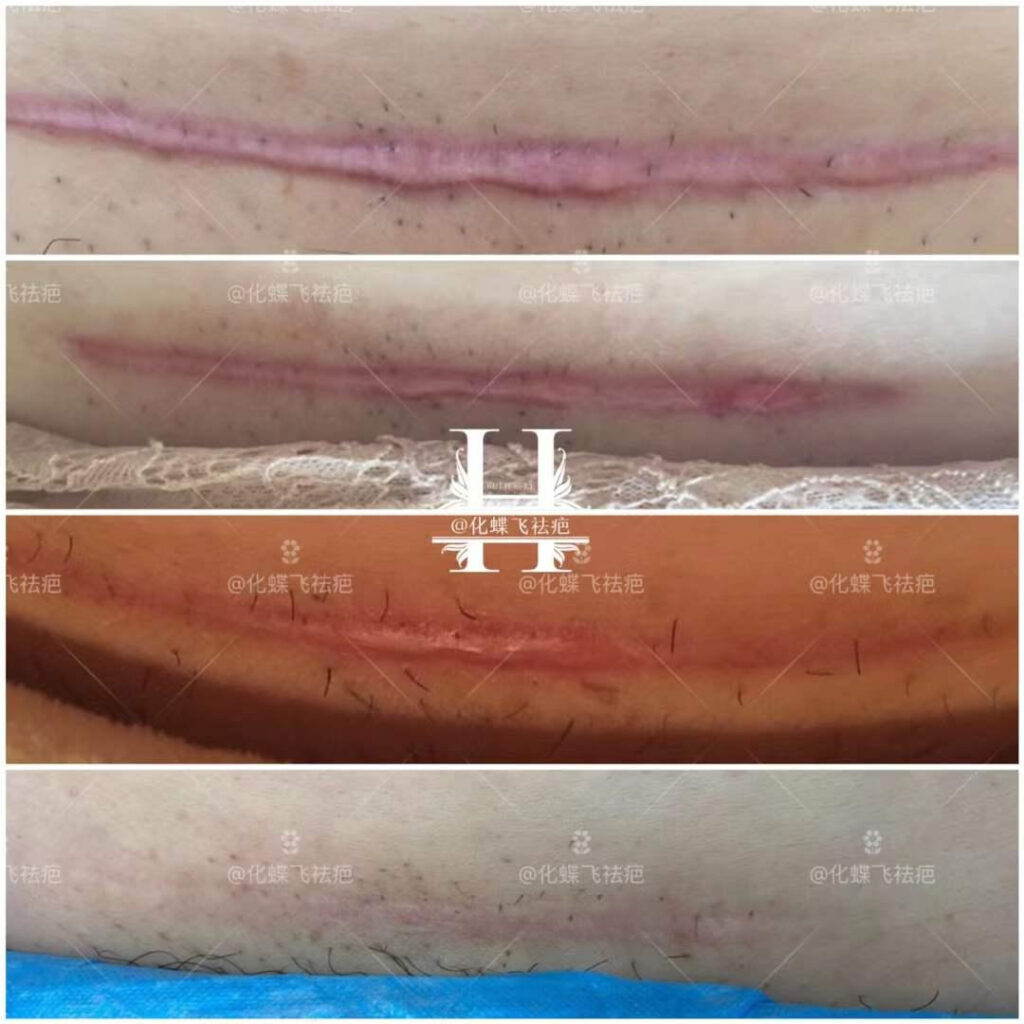
A cesarean section involves cutting through multiple layers of tissue, including skin, connective tissue, and muscle fascia. During healing, the body produces collagen to close and strengthen the incision site. Ideally, this process gradually slows as the wound stabilizes. However, in some cases, collagen production remains elevated or becomes uneven, leading to a scar that feels firm, slightly raised, or less flexible than the surrounding skin.
Because the lower abdomen is constantly involved in movement, posture, and core support, scar tissue in this area may have broader effects than scars located elsewhere. The way the skin and underlying tissue remodel can influence not only appearance but also flexibility and comfort during daily activities.
Why Do Cesarean Scars Develop?
Several biological factors contribute to how cesarean scars form:
- Collagen overproduction: The body may continue producing excess collagen even after the wound closes, resulting in a thicker or firmer scar.
- Inflammatory response: A stronger or prolonged inflammatory response during healing can affect tissue structure and texture.
- Genetic factors: Some women naturally have a higher tendency to form more noticeable scars.
- Skin tension and movement: Areas of the body under constant tension—such as the lower abdomen—are more prone to uneven scar formation.
It is important to note that cesarean scar development is not a result of improper care. Instead, it reflects natural variations in the body’s healing process. Understanding these factors helps set realistic expectations and encourages proactive, gentle care.
Who Is More Likely To Notice Prominent Cesarean Scars?
While all women may develop some degree of scarring after a cesarean, certain factors can increase visibility or prominence:
- Skin type: Women with darker skin tones may experience more noticeable color changes or raised texture.
- Family history: A history of surgical or postpartum scars can indicate higher susceptibility.
- Age: Younger mothers often have more active tissue regeneration, which may affect scar appearance.
- Medical or surgical history: Previous abdominal surgery, body piercings, or inflammatory skin conditions like acne can influence scar development.
Being aware of these factors allows new mothers to monitor their scars carefully and consider supportive care strategies early.
Common Approaches To Managing Cesarean Scars
Several methods are commonly used to support scar appearance, texture, and comfort:
- Corticosteroid injections: Help reduce firmness and inflammation in raised scar tissue.
- Laser therapy: Can improve texture, color, and elasticity of scar tissue.
- Surgical revision: In select cases, minor adjustments may be made, though some recurrence or texture changes may still occur.
- Silicone sheets and topical care: Maintain hydration, support tissue flexibility, and gradually improve scar appearance.
It is important to emphasize: no single treatment works for everyone, and scars may continue to evolve over time. Combining approaches and tailoring care to individual needs often produces the best outcomes.
Sensory Changes And Skin Sensitivity
Many women experience temporary changes around the scar, including mild itching, tingling, numbness, or increased sensitivity. These sensations are usually linked to nerve healing and generally improve over time. However, persistent discomfort may occur if the tissue remains firm or inflamed. Gentle, consistent care can help reduce prolonged irritation and support overall skin comfort.
Cosmetic And Functional Considerations
Cesarean scars may alter the appearance of the lower abdomen, resulting in slight ridges, uneven texture, or differences in pigmentation. These changes can affect body confidence, particularly when wearing fitted clothing or swimwear. Additionally, scar tissue that is less flexible may influence abdominal movement, occasionally contributing to sensations of tightness or mild discomfort.
Daily Friction And Lifestyle Factors
The location of cesarean scars exposes them to frequent pressure and friction from clothing, waistbands, or prolonged sitting. Over time, this can contribute to redness, irritation, or darkening. Understanding these everyday stressors is key to incorporating scar-friendly habits into postpartum routines.
Emotional Well-Being And Self-Confidence
Beyond physical effects, cesarean scars can influence emotional health. For some mothers, the scar serves as a reminder of a challenging birth, impacting self-image or intimacy. Proactive scar care and education about safe management options can help mothers feel more empowered and maintain confidence in their postpartum bodies.
Supporting Healthy Cesarean Scar Recovery
Once the incision has fully closed and medical clearance is given, long-term scar care becomes an important part of recovery. Maintaining hydration, supporting tissue flexibility, and minimizing repeated irritation are essential for optimal outcomes.
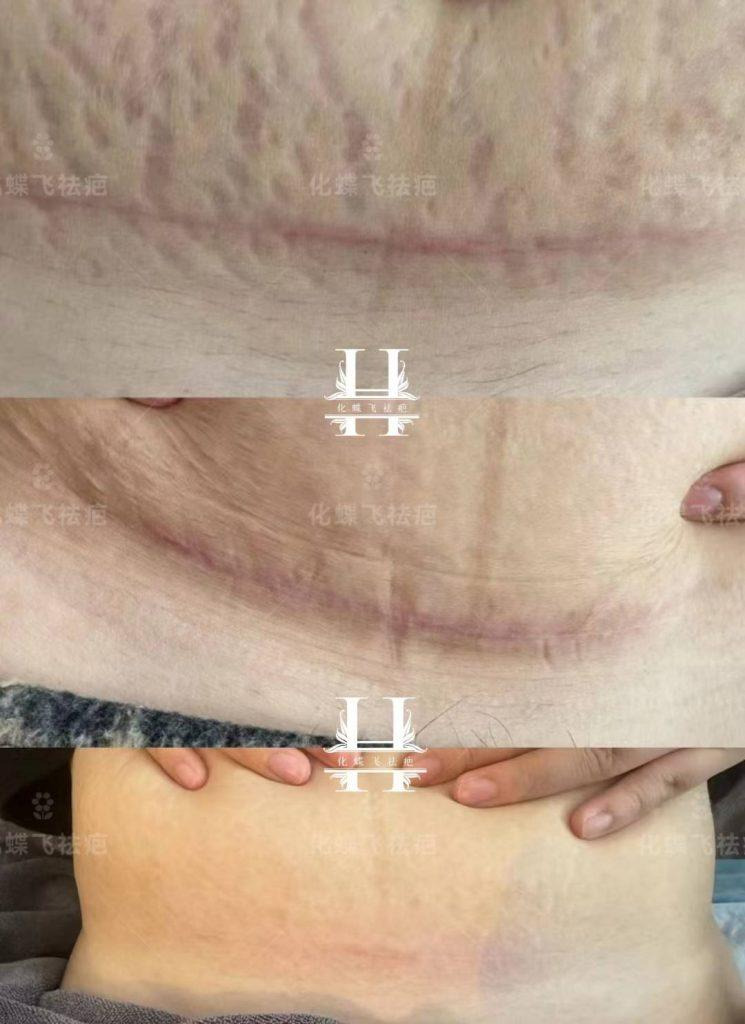
Many mothers explore gentle topical options to aid comfort, texture, and gradual improvement. For example, Huadiefei Keloid Scar – Removal Liquid is a traditional herbal-based formula designed for safe, at-home use. It contains no hormones, does not cause rebound effects, and is convenient for daily application. Such products can help improve skin softness and appearance over time. For mothers searching for the best cream for cesarean scar, gentle herbal-based options provide a safe and consistent approach to scar care.
Patience, Consistency, And Long-Term Care
Cesarean scars continue to remodel for many months, sometimes over a year. Aggressive or abrupt interventions can irritate healing tissue, while gentle, consistent care aligns better with the body’s natural repair process. Incorporating safe topical care into a daily routine encourages gradual improvement in flexibility, comfort, and appearance.
When To Seek Medical Advice
Although most cesarean scars heal without complications, consultation with a healthcare professional is recommended if the scar becomes painful, shows signs of infection, thickens excessively, or limits movement. Timely evaluation ensures appropriate care and monitoring.
Conclusion
A cesarean scar is a natural outcome of surgical childbirth, but its effects extend beyond the surface of the skin. Scar tissue can influence comfort, mobility, appearance, and emotional well-being. By understanding how cesarean scars develop, recognizing risk factors, and incorporating consistent, gentle care—including safe, herbal-based topical options—mothers can support healthier recovery and improve quality of life after delivery.
Postpartum healing is not only about closing the wound—it is about restoring balance, comfort, and confidence over time.