 Home
Home

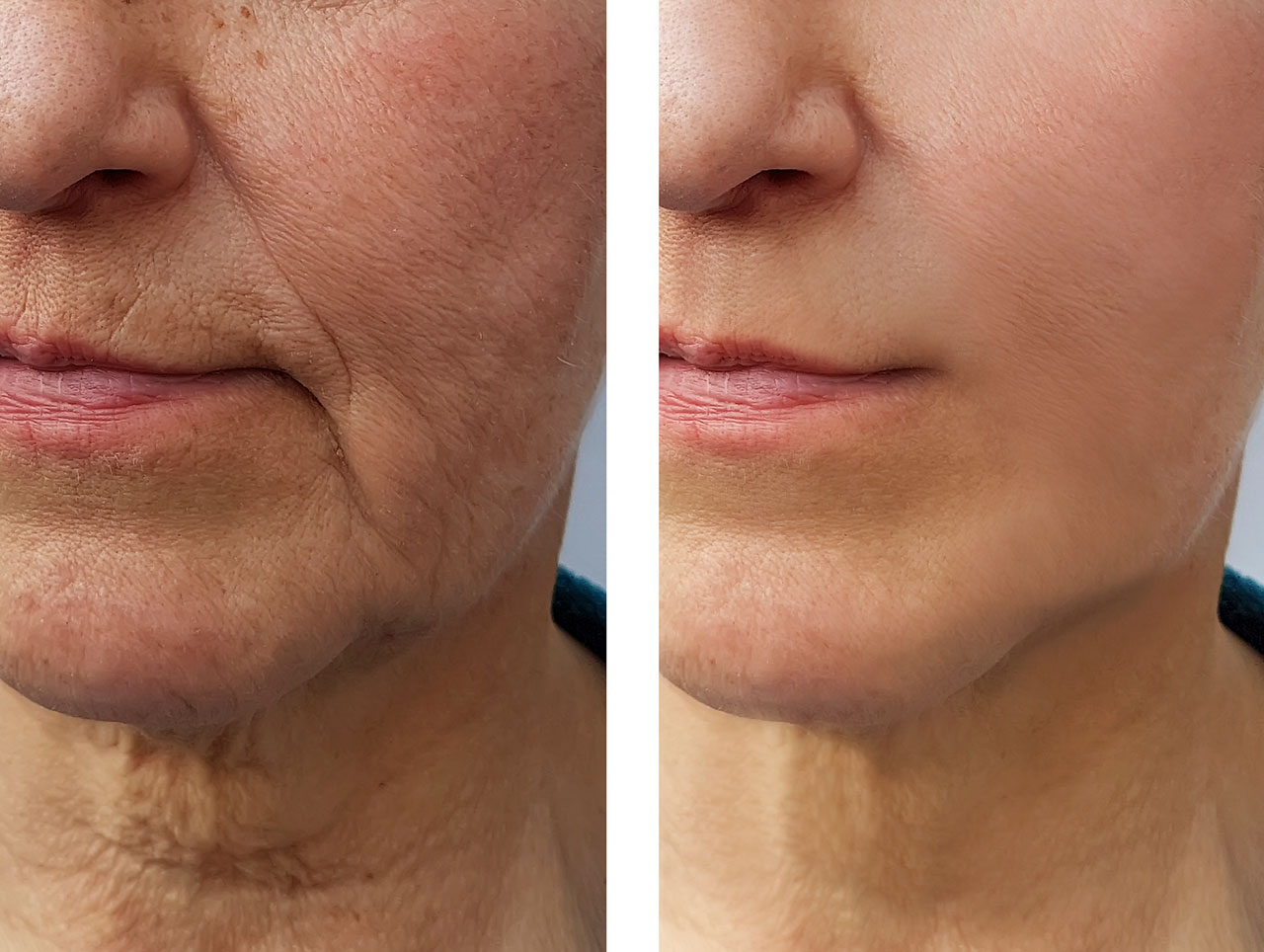
Aging, weight changes, and genetics can all alter how the body holds volume. Cheeks can look hollow, under-eyes can appear tired, breasts may lose fullness, and curves can flatten even when someone is fit. Fat transfer is a modern way to rebuild that lost volume using tissue from your own body—so the result looks and feels more natural than many synthetic options.
Unlike treatments that only “fill,” fat grafting can reshape: it removes unwanted fullness from one area and uses it to enhance another. That dual effect—contouring plus volume restoration—is why fat transfer is now a cornerstone of modern aesthetic and reconstructive planning.
What Fat Transfer Really Is (In Everyday Terms)
Fat transfer (also called fat grafting or lipofilling) is a procedure where fat is gently removed from a donor area—commonly the abdomen, flanks, or thighs—and then reintroduced in small amounts to a new area that needs volume or softer contour.
The reason it’s popular is simple: it uses living tissue that already belongs to you. Once healed, the transferred fat can behave like normal fat in its new location, providing soft, warm, natural-looking fullness instead of a “done” or artificial appearance.
If you’re exploring the procedure in more depth, PLASTIC SURGERY Fat Transfer covers how this approach is used across different parts of the body with personalized planning.
The Two-Part Benefit: “Take From Here, Add Over There”
Fat transfer is often chosen because it can address two concerns in one plan:
- Refining the donor site
Removing small pockets of fat from areas that hold stubborn fullness can create cleaner lines and more definition. - Enhancing the recipient site
Placing fat where volume is needed can restore youthful curves, soften transitions, and improve balance.
This is why people sometimes describe fat transfer as “sculpting” rather than “filling.” It’s not just about getting bigger or smaller—it’s about making the overall silhouette look more harmonious.
Where Fat Transfer Is Commonly UsedFacial volume restoration
Fat transfer can rebuild gentle fullness in areas that tend to deflate with age, including cheeks, temples, under-eye hollows, and around the mouth. The goal is usually to look rested—not different. When done with careful layering, the results can blend naturally with facial expression and movement.
Breast volume refinement
Some people prefer subtle breast enhancement without implants. Fat transfer can add softness and improve shape, particularly in the upper portion of the breast or to correct mild asymmetry. It’s often used when the goal is natural proportion rather than dramatic size change.
Buttock and hip contouring
In body contouring, fat can be used to round out the buttocks, smooth hip dips, or improve the transition between the waist, hips, and thighs. The outcome often looks most natural when the plan focuses on proportions rather than “maximum volume.”
Reconstructive and corrective uses
Fat grafting can also help with contour irregularities, scar-related depressions, and tissue quality issues—especially when someone wants to soften areas that look “stuck,” uneven, or tethered.
Why Fat Survival Matters (And What Helps It)
Not all transferred fat survives. The body naturally reabsorbs a portion during healing. That’s why technique matters so much: the goal is to give the fat cells the best chance to connect to a new blood supply.
Surgeons improve survival by:
- harvesting gently to avoid damaging cells
- purifying the fat to remove excess fluid and broken cell oil
- placing fat in small, evenly distributed amounts rather than one large “blob”
- layering fat into healthy tissue planes that support blood flow
This is also why results may evolve over time—what remains after the early healing phase is generally the fat that successfully integrated.
Microfat, Nanofat, and “Right-Sized” Grafting
Fat isn’t always used the same way. Depending on the goal, it may be prepared differently:
- Macrofat: better for areas needing more volume (common in body contouring)
- Microfat: useful for facial sculpting where smoothness and precision matter
- Nanofat: not meant for volume—more for skin quality support in select cases
This “right-sized” approach helps reduce lumpiness and improves natural blending, especially in delicate areas like the face.
Fat Transfer vs Fillers vs Implants: A Practical Comparison
Fillers
Great for quick, precise changes with minimal downtime, but temporary and often require repeat sessions.
Implants
Provide a predictable, fixed volume, but involve foreign material and come with implant-specific considerations long term.
Fat transfer
Sits in the middle: it’s more involved than fillers, but it can feel more natural and may provide longer-lasting results than temporary injectables—especially when the goal is broader, softer volume restoration.
Many patients choose fat transfer when they want something that looks less “manufactured” and more like a natural part of their body.
What Recovery Usually Feels Like
Recovery depends on both the donor and recipient areas. Most people notice:
- soreness and swelling where fat was taken (similar to liposuction recovery)
- swelling and a “full” feeling where fat was placed
- gradual settling over weeks as swelling reduces
- clearer shape after the early healing period
The most important thing is that early swelling doesn’t always reflect the final result. The body needs time to stabilize, and the transferred fat needs time to integrate.
Setting Realistic Expectations
A well-planned fat transfer aims for natural improvement, not instant perfection. It may take time to see the final outcome, and in some cases, a second session is discussed if someone wants additional volume after the first graft stabilizes.
The best results usually come from:
- conservative, strategic volume building
- respecting tissue limits
- choosing the right donor and recipient areas
- committing to aftercare guidance
Supporting Your Results Long-Term
Because transferred fat behaves like normal fat, weight fluctuations can affect the outcome. A stable lifestyle helps preserve the new contour and keeps results looking balanced over time—especially when fat transfer is part of a larger body-shaping plan coordinated through Liv Hospital.
In the long run, habits like consistent activity, good sleep, hydration, and stress management can make recovery smoother and help you maintain your overall shape and skin quality. If you enjoy wellness-focused routines that support healthy body composition and confidence after aesthetic procedures, you can explore practical lifestyle guidance at live and feel.