
 Home
Home

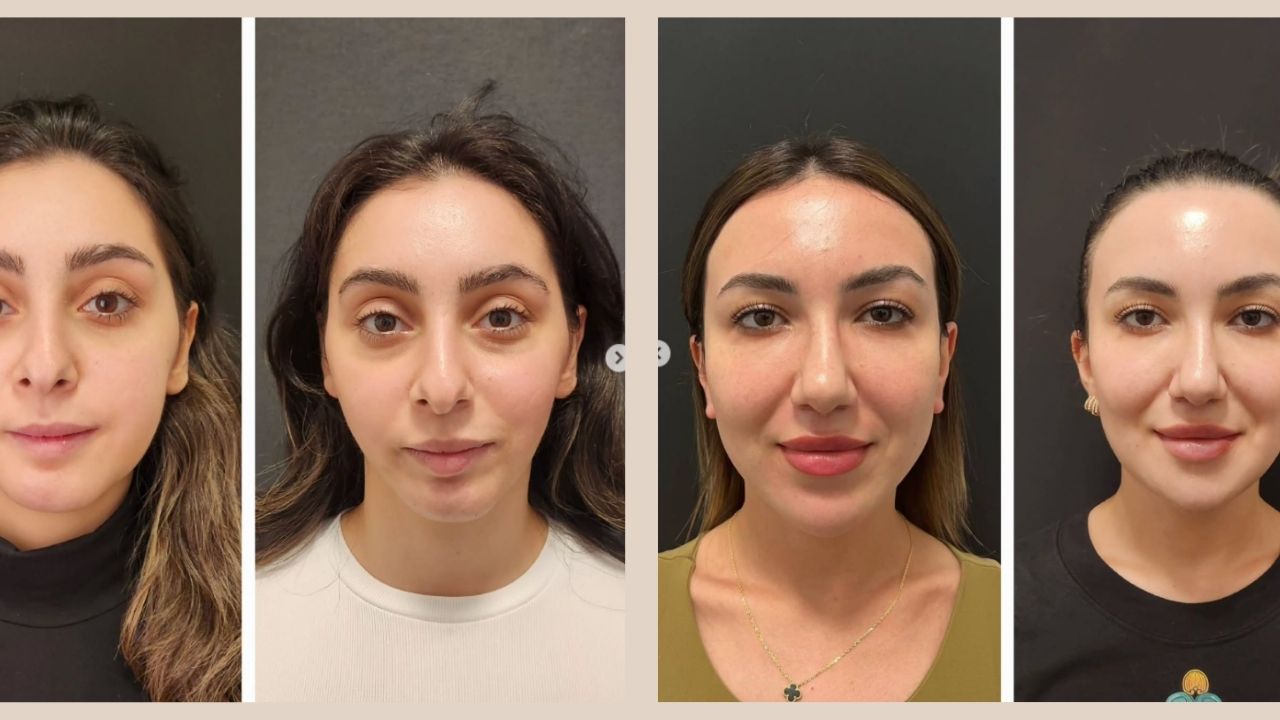
Some facial concerns can be improved with skincare, injectables, or lifting treatments. But when the issue is structural—a chin that sits back, cheekbones that look flat, or a jawline that lacks definition—the most natural-looking improvement often comes from changing the framework that supports everything above it. That’s where PLASTIC SURGERY Facial Implants come in: they’re designed to enhance facial balance by adding stable, precisely placed support along the bone.
Rather than “filling” an area, implants can refine how light hits your face, how your profile reads in photos, and how the upper, middle, and lower thirds of the face flow together.
What Facial Implants Actually Do (In Simple Terms)
Facial implants are small, medical-grade devices placed on top of specific facial bones to enhance shape and projection. They’re used to improve definition in places where bone is naturally underdeveloped, where age-related bone changes have reduced support, or where a person wants a more structured contour.
When the underlying structure is stronger:
- the skin drapes more smoothly,
- shadows can soften,
- contours become clearer,
- and changes look less “added on” and more naturally part of the face.
Who Usually Considers Facial Implants?
People often explore implants when they notice one of these patterns:
A weak chin that affects the entire profile
A recessed chin can make the nose appear more prominent and can blur the line between the face and neck. Strengthening the chin area can change the whole balance of the face without altering its personality.
Flat midface or cheekbones that don’t “hold” the face
Cheeks aren’t only about youth—they affect how rested the eyes look and how the midface transitions into the lower face. When the cheek area lacks support, the face can appear less sculpted and more shadowed.
A jawline that looks soft even at a healthy weight
Some jawlines lack width or angle due to anatomy, not lifestyle. Enhancing the jaw’s structure can create clearer framing for the face—especially in the side profile and three-quarter view.
Implants vs Fillers: The Difference That Matters
Fillers can be excellent for soft tissue volume loss and subtle shaping, but they don’t truly replace a skeletal foundation. Implants are often considered when someone wants:
- a stable, predictable contour
- a long-lasting structural result
- definition that doesn’t rely on repeated volume injections
- stronger lines (chin, jaw, cheek) that stay consistent over time
Many people even “trial” a look using temporary injectables first, then choose an implant if they like the direction and want a more permanent structural approach.
The Three Most Common Areas for Facial Implants1) Chin implants (lower-third balance)
The chin is like the anchor of your profile. Small changes here can improve facial proportion and create a more defined lower face.
Why it’s chosen:
- improves profile balance
- strengthens the jawline appearance
- refines the face–neck transition
2) Cheek implants (midface structure)
Cheek implants can enhance the cheekbone contour or improve midface fullness, depending on placement and implant style. The goal is typically shape and support, not exaggerated volume.
Why it’s chosen:
- builds cheekbone definition
- supports midface contours
- reduces harsh shadowing under the eyes in some faces
3) Jaw implants (width and angle)
Jaw implants can emphasize the mandibular angle and create a stronger frame around the lower face. The approach can differ depending on whether someone wants a more angular look or simply subtle definition.
Why it’s chosen:
- creates clearer jawline framing
- improves lower-face proportion
- enhances definition in photos and side views
Materials and “Will It Look Natural?”
A natural result depends on two things: implant choice and planning. The aim is never for someone to “see an implant.” The aim is for the face to look like it always had better structure.
Surgeons choose implant types based on:
- the area being treated (chin vs cheek vs jaw),
- the thickness of the overlying tissues,
- desired projection,
- and the person’s overall facial proportions.
This is also why modern planning often includes detailed measurements and, in many cases, 3D-style evaluation—because millimeters matter when you’re shaping facial harmony.
Recovery: What People Often Don’t Expect
The first days after surgery can involve swelling that temporarily hides definition. That’s normal—structure settles gradually, and the result becomes clearer as swelling decreases.
Many people also underestimate how important it is to follow aftercare instructions, especially related to:
- oral hygiene (for intraoral incisions),
- swelling management,
- activity restrictions,
- and sleeping position.
The best outcomes tend to come from careful planning and disciplined recovery.
Combining Implants With Other Procedures
Facial implants are sometimes paired with other treatments—not to “change everything,” but to create a more complete balance. Depending on the goal, a surgeon may discuss combining structural enhancement with soft tissue refinement so the result stays cohesive and proportional.
If you’re exploring options in a hospital setting with comprehensive assessment and surgical expertise, many patients start their journey through Liv Hospital to understand what kind of change is realistic for their anatomy and goals.
Long-Term Confidence: Keeping Your Results Looking Fresh
Even when structural definition is improved, lifestyle still matters—sleep, hydration, nutrition, and stress levels affect skin quality and how your face looks day to day. If you’re interested in practical wellness habits that support skin health and recovery (without making it the “main topic”), you can explore lifestyle guidance at live and feel.