 Home
Home

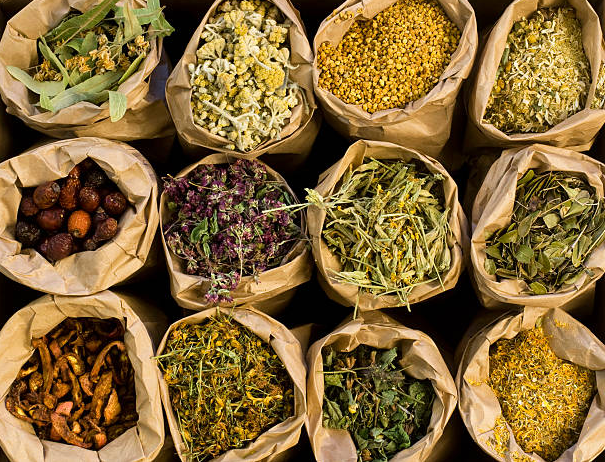
Most people bin their dried herbs after a year, convinced they’ve gone off. Meanwhile, archaeologists have found thousand-year-old spices in Egyptian tombs that still smell potent. The problem isn’t your herbs going bad. It’s that you never knew how to use them properly in the first place.
Dried herbs in Australia sit in cupboards across the country, dismissed as the poor cousin of fresh. But ask any chef what they reach for when making a ragu or a curry base, and it won’t be that floppy bunch of fresh thyme that costs eight dollars and dies in three days.
Table of Contents
When Drying Makes Things Worse
Nobody admits this, but drying ruins certain herbs completely. Basil turns into something that tastes like hay mixed with dust. Parsley becomes utterly pointless, just green flecks with no flavour. Coriander loses that citrusy punch and contributes nothing. The Vietnamese and Thai restaurants figured this out generations ago. They never use dried versions of their core herbs because the flavour profiles collapse during dehydration. If a herb is soft and its flavour is bright and grassy, drying will kill it.
The Moroccan Pantry Theory
Ever wonder why Moroccan food tastes so complex? They build layers using almost entirely dried spices and herbs. Fresh herbs get thrown on at the end as garnish, but the actual depth comes from dried cumin, coriander seeds, and paprika bloomed in oil. Australian cooks often do the reverse, tossing in fresh herbs early where they just wilt and turn bitter. The Moroccan approach works because dried aromatics need fat and time to break down their cell walls and release flavour. Fresh herbs need neither.
Your Nose Knows Everything
Here’s the actual test for whether dried herbs are still good. Open the jar and smell it. If you have to stick your nose right in to detect anything, chuck it. Potent dried herbs will fill your nostrils from arm’s length. That oregano should smell like a pizzeria. That rosemary should remind you of a bushwalk after rain. Dried herbs in Australia lose potency from oxidation, not age itself. A jar opened and closed daily will die faster than one opened twice a year.
The Italian Grandmother Method
Italian nonnas keep their dried oregano for years, but they store it still attached to the stalks in paper bags hung in dark cupboards. When they need some, they crumble it fresh into the pot. This isn’t quaint tradition. The leaves protected by the stem retain their oils far longer than pre-crumbled herbs exposed to air. You can do the same thing. Buy whole dried herb branches from farmers’ markets, hang them somewhere dark, and crumble what you need when you need
Why Restaurant Food Tastes Different
Professional kitchens use what’s called the “sweating” technique. They add dried herbs to onions and garlic while they’re softening in oil, before any liquid goes in. This isn’t in home recipes because recipe writers assume you’ll burn everything. But if you can manage to soften an onion without incinerating it, you can do this too. The herbs fry gently in the oil, their flavour compounds become fat-soluble, and suddenly your pasta sauce tastes like you’ve been cooking since childhood.
Native Bush Foods Actually Work
Saltbush, pepperberry, and lemon myrtle dry brilliantly because they evolved in one of the driest continents on Earth. These plants protect their aromatic oils with tough, waxy leaves that hold up to dehydration. A tiny amount of dried mountain pepper will overpower a dish if you’re not careful. Aboriginal Australians worked out thousands of years ago which native plants intensify when dried and which ones don’t. We’re only just catching up.
The Spice Grinder Trick
Buy whole dried herbs when possible and grind them yourself in a cheap coffee grinder. Keep that grinder exclusively for spices unless you want cumin-flavoured coffee. Whole dried bay leaves, whole dried oregano, even whole dried thyme keeps their oils sealed inside until you break them open. Dried herbs in Australia sold pre-ground have been oxidising since the moment they were processed. You’re buying something that’s already half-dead.
Conclusion
The real secret isn’t choosing fresh over dried. It’s knowing that they’re completely different ingredients that do different jobs. Dried woody herbs build the foundation of a dish. Fresh delicate herbs brighten it at the end. Mix these roles up and your food tastes muddled. Store your dried herbs properly in the dark, buy them whole when you can, and bloom them in fat before adding liquid. Master this and you’ll stop wondering why your home cooking doesn’t taste like your favourite restaurant. Dried herbs in Australia are brilliant when you finally learn what they’re actually for.