 Home
Home

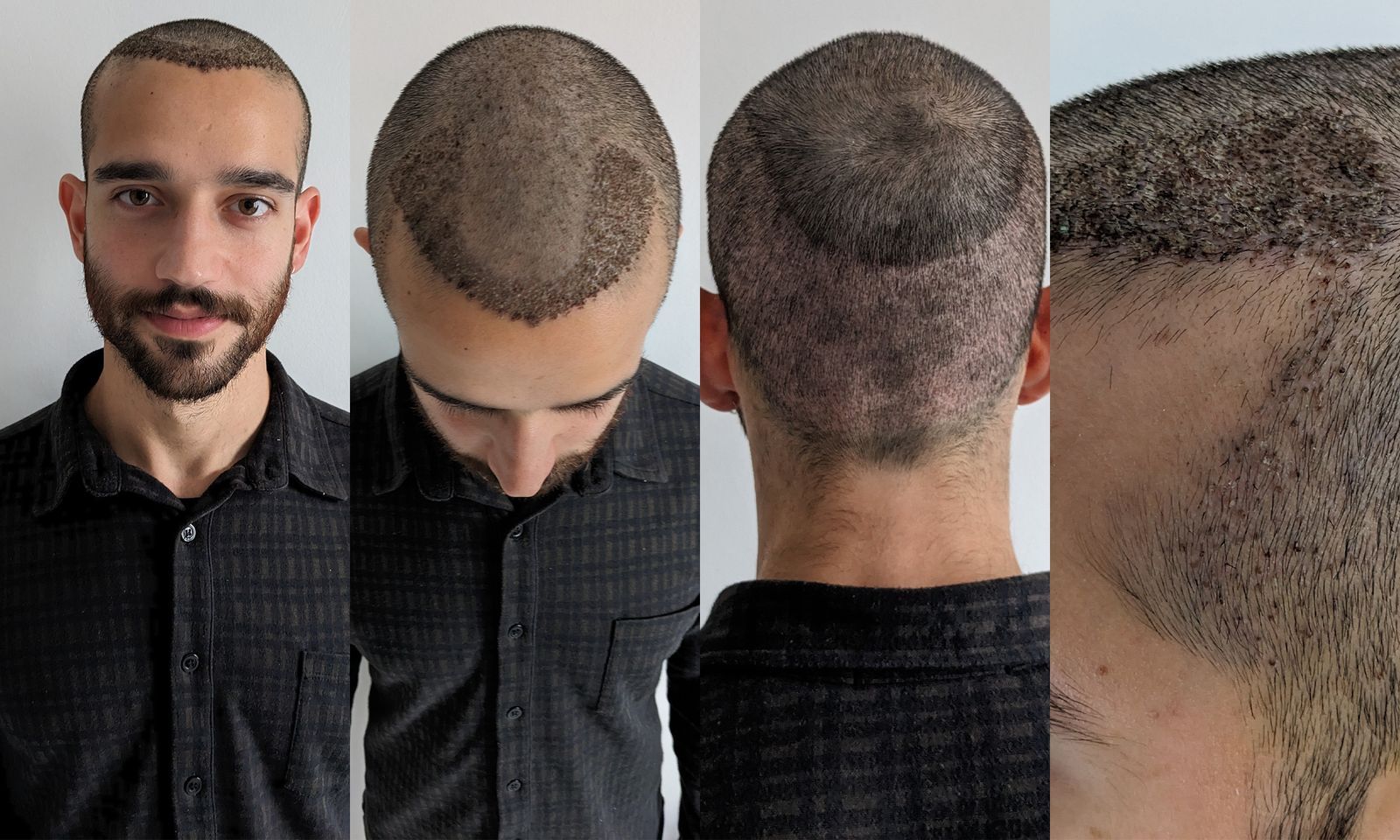
Hair loss can be a profoundly personal journey that impacts self-confidence and emotional well-being. For many individuals struggling with baldness or thinning hair, hair transplant surgery represents a transformative solution offering hope and renewed self-esteem. Understanding the intricate recovery process becomes paramount for patients considering this life-changing procedure. Modern hair transplant techniques have revolutionized hair restoration, providing natural-looking results that seamlessly blend with existing hair. Patients embarking on this medical journey must comprehend the nuanced stages of healing, potential challenges, and critical care requirements to ensure optimal outcomes. Each recovery experience is unique, influenced by individual health factors, surgical technique, and personal commitment to post-operative instructions.
Table of Contents
Immediate Post-Procedure Care
The initial hours and days following a hair transplant are critical for establishing a successful healing trajectory. Patients typically experience a range of sensations, including mild tenderness and localized discomfort around the transplanted areas. Specialized medical teams at Liv Hospital recommend creating a controlled, comfortable environment that minimizes potential complications. The scalp will develop tiny protective scabs around each transplanted follicle, representing a natural healing mechanism. These delicate scabs serve as a protective barrier, safeguarding vulnerable grafts during the initial recovery phase. Patients must exercise extreme caution, avoiding direct pressure, aggressive touching, or potential trauma to the treated areas. Understanding the intricate biological processes occurring beneath the skin’s surface helps patients maintain patience and follow precise medical guidance throughout this delicate healing period.
Managing Swelling and Discomfort
Postoperative swelling represents a normal physiological response to surgical intervention, typically manifesting within the first few days after the procedure. Patients might experience localized inflammation around the forehead, temples, and transplant sites, which can create temporary discomfort and aesthetic changes. Medical professionals recommend strategic interventions to mitigate these symptoms effectively. Cold compresses applied intermittently help reduce inflammation and provide soothing relief. Strategic head positioning during sleep and rest minimizes unnecessary pressure on transplanted regions. Prescribed medications, typically including anti-inflammatory drugs and pain management solutions, play a crucial role in managing patient comfort. Some individuals might experience mild bruising or temporary skin discoloration, which gradually subsides as the healing process advances.
Caring for Scabs and Donor Areas
Scab formation represents a natural healing mechanism following hair transplant surgery. These microscopic protective layers develop around each transplanted follicle, signaling the body’s intricate repair processes. Patients must exercise extraordinary restraint, avoiding any impulse to scratch, pick, or disturb these delicate formations. Premature removal of scabs can potentially compromise graft survival and introduce infection risks. Specialized post-operative care protocols recommend gentle cleansing techniques that preserve graft integrity while maintaining optimal hygiene. The donor area, typically located at the back of the scalp, requires equally meticulous attention. Specialized wound care techniques minimize potential scarring and support rapid healing. Patients should follow precise instructions regarding cleaning, moisturizing, and protecting these sensitive regions during the initial recovery stages.
Hair Washing and Hygiene Guidelines
Maintaining appropriate scalp hygiene becomes a delicate balance during hair transplant recovery. Specialists typically provide specific instructions regarding initial washing techniques, often recommending gentle approaches starting several days post-procedure. Patients must use specialized, mild shampoos that cleanse without causing mechanical stress to newly transplanted follicles. Water temperature, pressure, and washing technique become critical considerations. Soft, patting motions replace traditional rubbing techniques to prevent graft displacement. Some medical professionals recommend using specialized cleansing solutions designed specifically for post-transplant care. Following the detailed guidelines outlined in the HAIR TRANSPLANT Recovery Process ensures optimal graft survival and minimizes potential complications during the critical initial healing phase.
Physical Activity and Lifestyle Considerations
Recovery demands strategic lifestyle modifications to support successful hair transplant outcomes. Patients must temporarily restrict physically demanding activities that could compromise healing processes. Strenuous exercises, heavy lifting, and activities generating significant scalp blood pressure increase potential risks during initial recovery stages. Medical professionals typically recommend a gradual return to normal physical routines, usually commencing after two to three weeks. Patients should prioritize rest, maintain hydration, and follow nutrition guidelines supporting optimal healing. Environmental factors like direct sunlight exposure, excessive sweating, and potential skin irritants require careful management. Wearing loose, comfortable headwear and avoiding tight accessories helps protect transplanted regions during recovery.
Timeline of Hair Growth After Transplant
Hair growth following transplantation follows a nuanced, multistage process that requires patient understanding and realistic expectations. Initial shedding of transplanted hair occurs naturally within weeks of the procedure, which might cause temporary concern for patients. This phenomenon represents a normal biological reset, preparing follicles for robust new growth. Typically, noticeable hair regrowth commences around three to four months post-surgery, with significant visual improvements emerging between six to twelve months. Full aesthetic results become apparent approximately twelve to eighteen months after the initial procedure. Individual factors like age, overall health, and genetic predispositions influence precise growth timelines.
Follow-Up Appointments and Medical Monitoring
Consistent medical supervision plays a pivotal role in ensuring successful hair transplant recovery. Follow-up appointments allow specialists to assess healing progress, address potential complications, and provide personalized guidance. These consultations typically involve comprehensive scalp examinations, photographic documentation of growth patterns, and strategic recommendations for ongoing care. Patients benefit from discussing any concerns, understanding potential variations in growth, and receiving tailored advice supporting optimal outcomes. Some medical centers offer digital tracking mechanisms, enabling patients to monitor their progress and maintain consistent communication with their surgical team.
Long-Term Care and Lifestyle Recommendations
Sustaining transplant results requires holistic lifestyle approaches supporting overall hair health. Balanced nutrition, stress management, and gentle scalp care contribute significantly to long-term success. Patients should incorporate nutrient-rich foods supporting hair growth, including proteins, vitamins, and minerals. Regular exercise, adequate sleep, and comprehensive wellness strategies enhance overall physiological conditions conducive to healthy hair maintenance. Some individuals benefit from supplementary treatments like platelet-rich plasma therapy or specialized scalp treatments that support follicular strength. Wellness-focused resources like live and feel can provide additional guidance on maintaining healthy habits and supporting long-term hair growth.