 Home
Home

Life in a busy city can feel overwhelming. Long work hours, screen time, commuting, and daily stress often leave people feeling disconnected from their bodies. Many people reach a point where they are not just looking for pain relief. They want to feel like themselves again. This is where gentle wellness approaches like Sujok therapy are gaining attention.
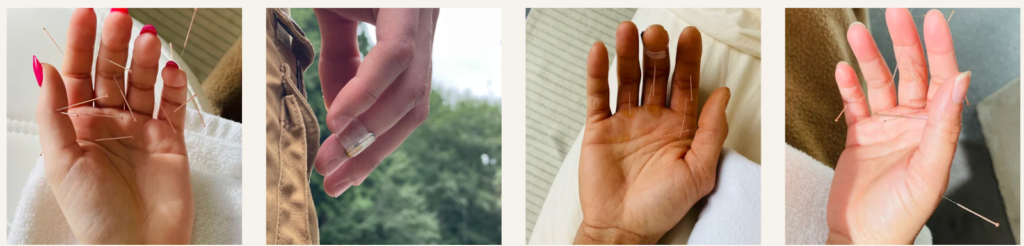
Sujok therapy is based on a simple but fascinating idea. The hands and feet act like a map of the entire body. Specific points on them correspond to organs, muscles, and systems. When these points are stimulated, the body can respond by improving circulation, relaxing tension, and supporting natural balance. The method was developed by Korean professor Park Jae Woo in the 1980s and has since spread worldwide as a complementary therapy.
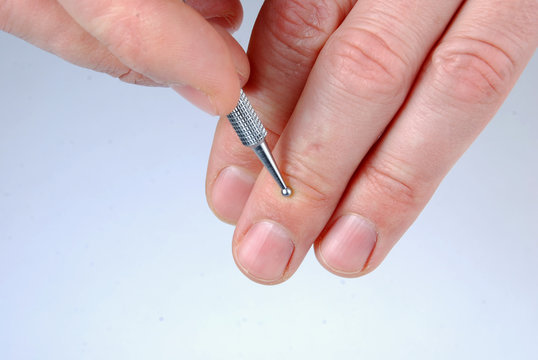
What makes Sujok different from many treatments is how approachable it feels. Practitioners use tools like gentle pressure, small massage probes, seeds, magnets, or tiny beads placed on the hands or feet. Sessions are usually calming, and many people describe a sense of relaxation during or after treatment.
But beyond the technique itself, the lifestyle impact is what attracts people.
Many clients are professionals dealing with mental fatigue and burnout. Constant focus and digital overload can create headaches, neck tension, and poor sleep. Sujok sessions can help the nervous system slow down, allowing the body to shift into a more relaxed state.
Athletes and active individuals also explore Sujok therapy. Training stress, repetitive strain, and minor injuries can build up over time. Stimulating corresponding points may help reduce muscle tightness and improve recovery alongside other therapies.
Another group that often benefits is people managing chronic discomfort. Back pain, joint stiffness, migraines, or digestive issues can affect mood and energy. Sujok offers a gentle option for those who want additional support without heavy intervention.
Students and younger adults are also discovering it. Academic pressure, exams, and screen use create tension and anxiety. Because Sujok techniques can be taught for home use, it becomes a practical self care tool.
Even people simply looking for personal growth and wellness are drawn to it. Many clients say the sessions help them reconnect with their bodies. This awareness can encourage healthier habits such as better posture, mindful breathing, and stress management.
One unique aspect of Sujok therapy is empowerment. Practitioners often show clients how to press certain points at home using their fingers or small seeds. This creates a sense of participation in one’s own healing process rather than relying only on appointments.
Sujok also fits well into a broader wellness lifestyle. Some people combine it with yoga, meditation, physiotherapy, massage, or acupuncture. Others use it as a standalone relaxation and balance practice. The flexibility makes it appealing for modern life.
In a city like Vancouver, where people value both health and active living, gentle therapies are becoming more popular. Many residents are looking for ways to reduce stress while staying functional in their daily routines. Sujok in Vancouver offers a way to pause, reset, and listen to the body.
At places like Lumera Health Collective, the focus is not only on symptoms but also on lifestyle. Sessions are personalized, and the environment is designed to help clients feel comfortable and supported. The intention is simple. Help people move toward balance in a natural way.
Rediscovering yourself does not always require dramatic change. Sometimes it starts with small steps. Slowing down. Paying attention. Supporting the body gently.
For many people, Sujok therapy becomes part of that journey toward feeling healthier, calmer, and more connected to everyday life.