
 Home
Home

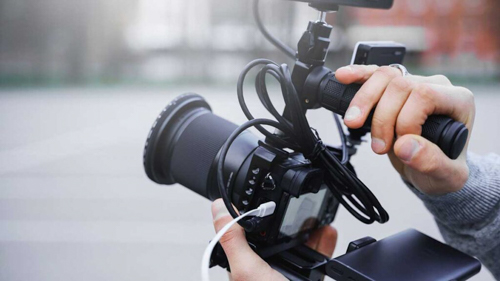
Have you ever watched a cinematic masterpiece and wondered how a simple sequence of shots could evoke such profound emotion?
The Australian creative landscape is currently booming, with the digital content creator economy contributing significantly to the nation’s cultural and financial wealth. According to the Australian Bureau of Statistics, employment in the motion picture and video production industry has seen steady growth, reflecting a broader trend where visual storytelling has become the primary language of the modern world. Whether you are aiming to document the rugged beauty of the Outback or produce high-end commercial content in Sydney, enrolling in a videography course is the most effective way to transition from an amateur hobbyist to a seasoned professional.
Master the Lens: Your Guide to a Videography Course
- Understanding Camera Mechanics and Sensors The journey begins with mastering your tools. A comprehensive videography course will teach you the difference between Full-Frame, APS-C, and Micro Four Thirds sensors. You will learn how these physical components impact depth of field, low-light performance, and the overall “texture” of your footage. Understanding the “exposure triangle”—aperture, shutter speed, and ISO—is the first step toward achieving a cinematic look.
- The Art of Composition and Framing Technical skill is nothing without an artistic eye. You will explore the “Rule of Thirds,” leading lines, and the “Golden Ratio” to guide the viewer’s eye through the frame. This module of the videography course ensures that every shot you take serves a narrative purpose, moving beyond “point and shoot” to “plan and capture.”
- Lighting Techniques for Narrative Depth Lighting is the difference between a flat, amateur video and a professional production. You will learn the classic “Three-Point Lighting” setup—comprising the Key Light, Fill Light, and Back Light—to create three-dimensional subjects. Understanding how to use natural Australian light, as well as artificial softboxes and LEDs, is a core component of any high-quality videography course.
- Audio Capture and Sound Design It is often said that “half of a great video is great sound.” Your training will cover the use of various microphones, including shotgun mics for directional dialogue and lavaliers for discreet recording. You will also learn about “room tone” and how to monitor decibel levels to avoid digital clipping, ensuring your audio is as crisp as your visuals.
- The Nuances of Movement Static shots have their place, but dynamic movement brings energy to a production. You will be trained in using gimbals, sliders, and handheld techniques. A professional videography course teaches you when a slow “pan” or “tilt” is appropriate versus when a high-energy “tracking shot” is needed to heighten the tension or excitement of a scene.
- Storyboarding and Pre-production Success in the field is won before the camera even starts rolling. You will learn the importance of storyboarding, location scouting, and creating a “shot list.” This organisational phase ensures that you don’t miss crucial coverage during a shoot, which is a vital skill taught in an industry-standard videography course.
- Post-Production: The Power of the Edit The story is truly told in the editing suite. You will gain hands-on experience with industry-leading software like Adobe Premiere Pro or DaVinci Resolve. From “cutting on action” to understanding the emotional impact of a “J-cut” or “L-cut,” post-production modules turn raw clips into a cohesive, flowing narrative.
- Colour Grading and Correction Professional videographers don’t just record video; they “paint” it. You will learn how to read scopes and histograms to correct exposure and white balance. Furthermore, your videography course will introduce you to LUTs (Look-Up Tables) and creative grading, allowing you to establish a signature visual style or mood for your projects.
- Drone Videography and Aerial Perspectives In the vast Australian landscape, aerial shots offer a perspective like no other. Modern courses often include a segment on drone safety and basic flight patterns. Learning how to integrate aerial footage seamlessly with ground-level shots adds an immense amount of production value to your portfolio.
- The Business of Content Creation Technical prowess must be matched by business savvy. You will explore how to pitch to clients, draft contracts, and price your services competitively within the Australian market. This final stage of a videography course bridges the gap between being a talented creator and a successful business owner.
Visual Inspiration: Professional Cinematography Tips
To see these theories put into practice, watch this guide to cinematic camera movements.
Why Study Videography in Australia?
Choosing to invest in a videography course provides you with a versatile skill set that is in high demand across multiple sectors, including marketing, real estate, weddings, and documentary filmmaking. With the rise of short-form video content on social media, businesses are desperate for individuals who can produce high-quality, engaging visuals that stand out in a crowded digital space.
By studying locally, you gain an understanding of the specific lighting conditions and cultural nuances that define Australian media. Whether you are capturing the vibrant energy of Melbourne’s laneways or the pristine coastlines of Queensland, a structured videography course gives you the discipline to deliver professional results every single time.
Conclusion
The transition from someone who “takes videos” to a professional videographer is a journey of precision, creativity, and constant learning. A dedicated videography course provides the roadmap for this journey, offering the mentorship and practical experience required to thrive in a competitive industry. By the time you complete your training, you won’t just be operating a camera; you will be telling stories that resonate.
Are you ready to capture the world through a new lens and turn your creative vision into a career?
Would you like me to help you draft a sample shot list for your first professional project?