
 Home
Home

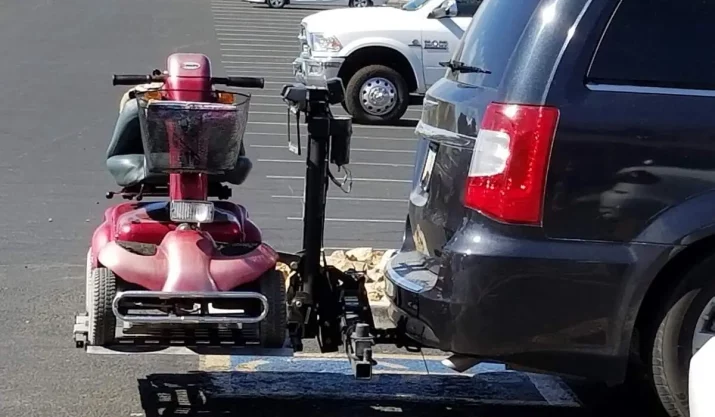
Mobility scooters, often referred to as handicapped scooters, are electric-powered devices designed to help people with limited mobility move around independently. They typically feature a comfortable seat, handlebars or a tiller for steering, and a rechargeable battery system.
However, like any machine, mobility scooters can develop issues over time. Understanding the most common problems and how to fix them can help you keep your handicapped scooter in top condition and avoid unnecessary repairs.
1. Battery Problems
The battery is one of the most important components of a mobility scooter and is also the part most commonly prone to problems. A single charge from a handicapped scooter battery usually delivers about 10 miles of range, although the battery’s performance tends to diminish as it gets older.
Common signs include:
- The scooter will not turn on
- The battery drains faster than usual
- The charger does not appear to work or is incompatible
- Charging takes significantly longer than normal
How To Resolve It
Before replacing the battery, start with a few simple checks. Ensure the battery connections are secure and properly seated, as loose connections can prevent the scooter from powering on or charging correctly.
It’s also crucial to maintain good charging habits. For best results, charge the battery regularly and avoid letting it fully drain, as deep discharges can shorten its lifespan and reduce reliability.
2. Tire Wear and Performance Issues
Tires play an essential role in maintaining a safe, stable, and comfortable ride on a mobility scooter. Over time, tires can wear down or develop damage, affecting the scooter’s handling and overall performance.
Common signs include:
- A bumpy or uneven ride
- Difficulty steering or controlling the scooter
- Visible cracks, damage, or low tire pressure
How To Resolve It
Regular tire inspections can help prevent more serious problems. Make it a habit to check your tires for wear, cracks, or pressure issues. If you notice significant damage or excessive wear, replacing the tires is the safest solution.
3. Motor Issues
The motor is the heart of your mobility scooter, and any malfunction can significantly impact its performance and reliability.
Common signs include:
- Jerky or uneven movement
- Noticeable loss of power or reduced speed
How To Resolve It
If your scooter starts to jerk or bump, the motor may be wearing out. Have it inspected promptly by a qualified mobility scooter repair technician to ensure safe and smooth operation.
4. Electrical System Problems
Electrical problems can impact several systems on your mobility scooter, affecting both safety and functionality.
Common signs include:
- Lights, indicators, or other electrical components are not working
- The scooter shuts off unexpectedly
How To Resolve It
Start by inspecting all visible wiring for loose or disconnected connections. Tighten any loose wires and replace any damaged or frayed ones.
Additionally, check the electrical system for moisture exposure, as water can cause short circuits or intermittent failures. Regular inspection and upkeep can help prevent more serious electrical issues.
5. Steering Control Problem
Proper steering is essential for the safe operation of your mobility scooter. Issues with steering can compromise both control and comfort while riding.
Common signs include:
- Difficulty controlling the scooter’s direction
- Unusual vibrations while driving
- Uneven tire wear
How To Resolve It
If the steering feels stiff or unresponsive, check for misaligned wheels or obstructions in the steering mechanism.
For persistent problems or more complex issues, it’s best to seek professional servicing to ensure the scooter remains safe and fully functional.
6. Throttle Control Problems
The throttle regulates your mobility scooter’s speed and acceleration, so any issue here directly affects how the scooter responds.
Common signs include:
- The scooter does not respond when pressing the throttle
- Speed fluctuates or feels inconsistent.
How To Resolve It
First, inspect the throttle lever for dirt, debris, or obstructions. Clean the area thoroughly and ensure the lever moves smoothly. If the throttle feels loose or the scooter still behaves inconsistently, the problem may lie in the wiring, which could require rewiring or professional repair to restore proper function.
Final Thoughts
Handicapped scooter are essential for maintaining independence and mobility, but like any machine, they can wear out over time. Keeping an eye out for signs of trouble and performing routine maintenance can prevent most problems.
For persistent or complex problems, professional servicing is the safest option to ensure your scooter remains reliable and safe to use. With proper care and attention, a mobility scooter can continue to provide comfort, freedom, and enjoyment for years.