 Home
Home

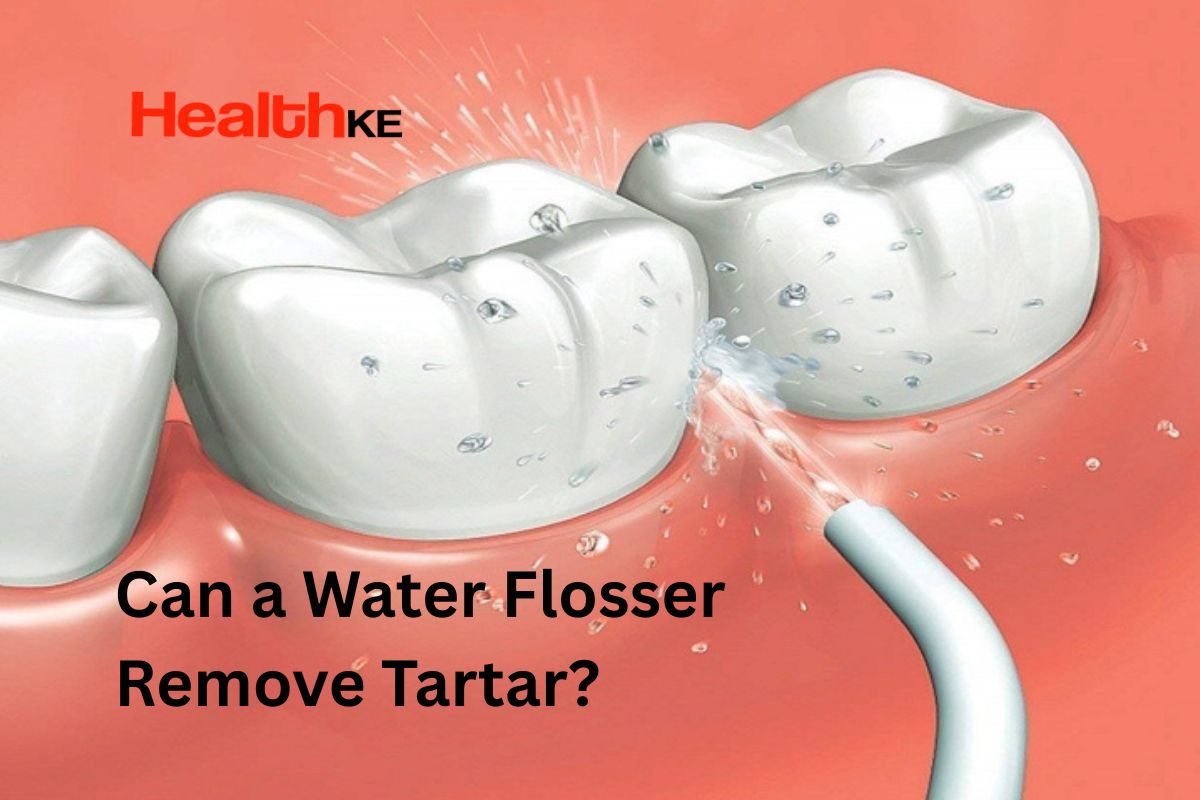
If you’re staring at stubborn yellow buildup on your teeth and wondering whether a water flosser can blast it away, you’re not alone.
Water flossers have exploded in popularity recently, especially as more people look for at-home dental solutions that actually work. But here’s the catch: not everything you see online is accurate.
In this guide, we’ll break down:
- What tartar really is (and why it’s so stubborn)
- What a water flosser can and cannot do
- The safest way to actually remove tartar
- Common myths that trip people up
What Is Tartar (And Why It’s So Hard to Remove)?
Tartar, also known as dental calculus, starts as soft plaque. Over time, it hardens due to minerals in saliva.
The Process:
- Food + bacteria = plaque (sticky film)
- Plaque sits too long
- Minerals harden it → tartar
Once hardened, tartar becomes:
- Rough and porous
- Strongly attached to enamel
- A breeding ground for bacteria
👉 Key Insight: Tartar is not just “dirty teeth.” It’s mineralized buildup, which makes it extremely resistant to simple cleaning methods.
Can a Water Flosser Remove Tartar?
Short Answer: No
A water flosser cannot remove hardened tartar.
Here’s Why:
- Water flossers use pressurized water
- Tartar requires mechanical scraping or ultrasonic vibration
- Once plaque hardens, water pressure alone isn’t enough
What a Water Flosser Can Do (And It’s Still Valuable)
Even though it can’t remove tartar, a water flosser is far from useless.
Benefits:
- Removes food debris and soft plaque
- Cleans below the gumline
- Reduces gingivitis risk
- Helps prevent future tartar buildup
Stat Insight: Studies show water flossers can reduce gingival bleeding by up to 50% more than string floss [Source].
Water Flosser vs Tartar Removal Methods
| Method | Removes Plaque | Removes Tartar | At-Home Use | Effectiveness |
| Water Flosser | ✅ Yes | ❌ No | ✅ Yes | Moderate |
| String Floss | ✅ Yes | ❌ No | ✅ Yes | Moderate |
| Electric Toothbrush | ✅ Yes | ❌ No | ✅ Yes | High |
| Dental Scaling | ✅ Yes | ✅ Yes | ❌ No | Very High |
Bottom line: Only professional dental tools can remove tartar.
What Actually Removes Tartar?
1. Professional Dental Cleaning (Scaling)
- Uses specialized tools
- Removes tartar above and below gums
- Recommended every 6 months
2. Ultrasonic Scalers
- High-frequency vibrations break tartar
- Used by dental professionals
3. Manual Scaling Tools
- Physically scrape tartar off teeth
Attempting DIY scraping at home can damage enamel or gums.
Myth vs Fact
Myth: A strong water flosser can break tartar
Fact: Tartar is mineralized and requires professional removal
Myth: Natural remedies can dissolve tartar overnight
Fact: No scientific evidence supports this
Myth: If you brush well, tartar won’t form
Fact: Even good hygiene can miss areas where tartar develops
How to Prevent Tartar (Where Water Flossers Shine)
Since removal is difficult, prevention is everything.
Daily Routine:
- Brush twice daily (electric toothbrush preferred)
- Use a water flosser daily
- Floss (yes, still useful)
- Limit sugary snacks
Weekly Add-ons:
- Antibacterial mouthwash
- Check for buildup near gumline
Think of a water flosser as your preventive tool, not a cure.
From years of observing patient habits, one pattern stands out: most people assume tartar forms overnight. It doesn’t. It builds slowly in neglected areas.
Patients who consistently use a water flosser tend to show:
- Less gum inflammation
- Slower tartar buildup
- Better long-term oral health
But those expecting it to remove tartar are always disappointed. It’s simply not designed for that job.
FAQ Section
1. Can a water flosser remove hardened plaque?
No. Hardened plaque (tartar) requires professional dental tools. Water flossers only remove soft plaque and debris.
2. Is a water flosser better than flossing?
It can be more effective for gum health and easier to use, but ideally, both methods should be combined for best results.
3. How long does it take for plaque to turn into tartar?
Plaque can harden into tartar within 24–72 hours if not removed properly.
4. Can tartar fall off on its own?
In rare cases, small pieces may break off, but most tartar remains firmly attached and requires removal by a dentist.
5. Does a water flosser help with gum disease?
Yes. It reduces bacteria below the gumline and can improve early-stage gum disease (gingivitis).
Final Takeaway
A water flosser is excellent for preventing tartar, but it cannot remove it once it forms.
Understanding this distinction saves you time, money, and frustration.
What to do next:
- Use a water flosser daily to prevent buildup
- Schedule a professional cleaning if tartar is visible
- Upgrade your oral care routine before problems escalate
If you want, I can also recommend the best water flossers in 2026 based on real testing or build you a complete oral care routine.