 Home
Home

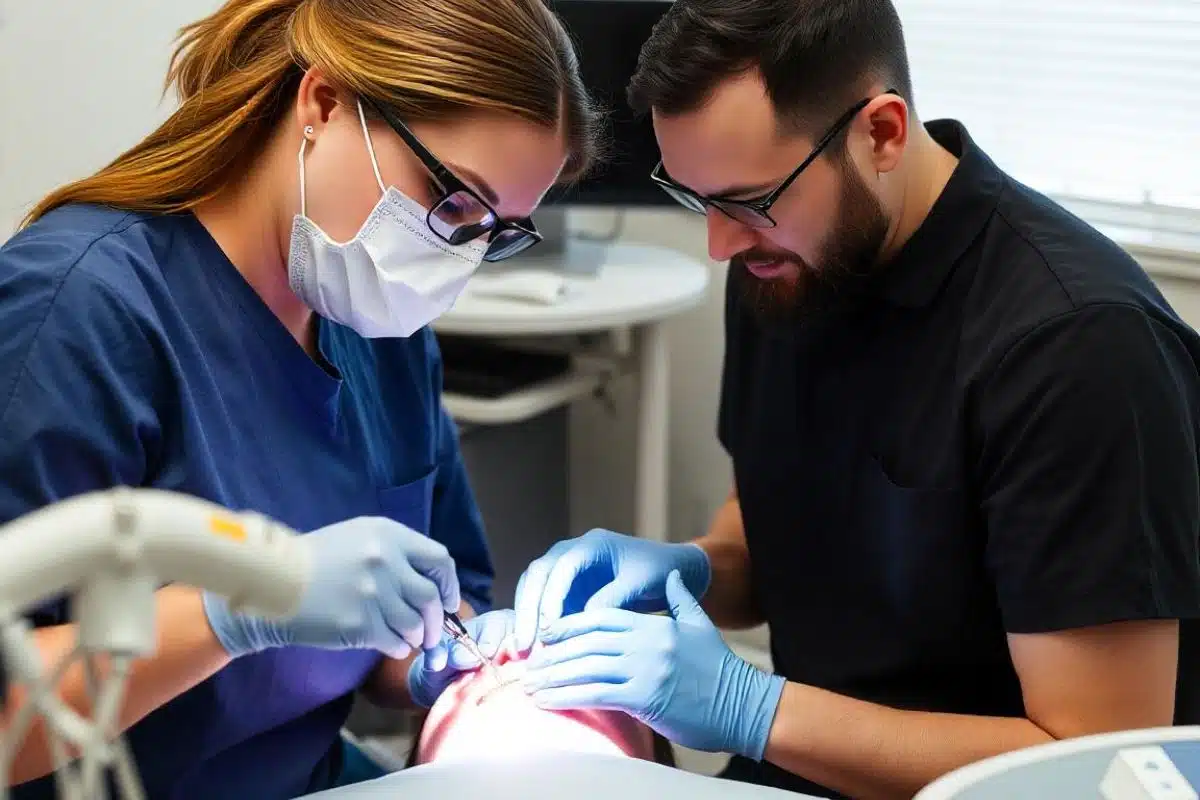
Dental implant procedures are often viewed from the patient’s perspective—restoring smiles, improving function, and enhancing confidence. However, behind every successful implant case is a complex system of tools, materials, and components that clinicians rely on daily. Understanding what goes into these procedures reveals how critical the right equipment and supplies are for achieving predictable outcomes.More Than Just the Implant
When people think of dental implants, they usually picture a single titanium screw placed into the jawbone. In reality, an implant system is made up of multiple components working together:
- Implant fixture – the part placed in the bone
- Abutment – connects the implant to the restoration
- Prosthetic crown or bridge – the visible tooth replacement
- Auxiliary components – healing caps, screws, and impression tools
Each of these elements must be precisely engineered to ensure compatibility and durability. Even small inconsistencies can affect the fit, stability, and longevity of the final restoration.The Importance of System Compatibility
One of the biggest challenges in implant dentistry is maintaining compatibility across different components. Not all implant systems are interchangeable, and using mismatched parts can lead to complications such as poor fit or mechanical failure.
That’s why many clinicians prefer to work within a single, well-documented system. Internal hex connections, for example, are widely used because they offer stability and ease of use. Similarly, conical connections are valued for their tight seal and reduced risk of bacterial infiltration.
A consistent system allows dentists and labs to streamline workflows, reduce errors, and ensure better outcomes for patients.Digital Dentistry and Implant Workflows
The rise of digital dentistry has transformed how implants are planned and restored. Today, many clinicians use digital scans, 3D imaging, and CAD/CAM technology to improve accuracy at every stage.
Digital workflows allow for:
- More precise implant placement planning
- Custom-designed prosthetics
- Faster turnaround times for restorations
- Better communication between clinics and labs
CAD/CAM libraries provided by implant manufacturers play a crucial role here. These libraries ensure that digital designs match the physical components, reducing the risk of misalignment or production errors.Surgical Efficiency in Modern Practices
Efficiency in implant procedures is not just about speed—it’s about reducing risk and improving consistency. Well-organized surgical kits and tools allow clinicians to focus on precision rather than improvisation.
For example:
- Implantation kits help standardize drilling sequences
- Angle measurement tools assist in correct positioning
- Specialized sutures support proper healing
Having access to reliable surgical equipment ensures that each step of the procedure is controlled and repeatable. This becomes especially important in busy practices handling multiple implant cases.Managing Complex Cases
Not all implant procedures are straightforward. Patients may present with challenges such as:
- Limited bone volume
- Poor bone density
- Previous tooth loss complications
In such cases, clinicians often rely on specialized implant designs like basal or compressive implants, which are designed to perform better in difficult conditions. Additionally, bone grafting materials and regenerative products help create a stable foundation for implant placement.
These solutions expand treatment possibilities, allowing more patients to benefit from implant dentistry.The Role of Bulk Purchasing and Practice Economics
For many dental clinics and laboratories, managing costs without compromising quality is a constant balancing act. Implant procedures involve multiple components, and expenses can add up quickly.
Bulk purchasing options and bundled kits are often used to:
- Reduce per-unit costs
- Maintain consistent inventory
- Simplify procurement processes
This approach not only improves operational efficiency but also allows clinics to offer more competitive pricing to patients.What Defines a Reliable Online Dental Supplier?
With the growth of e-commerce in healthcare, more dental professionals are turning to online platforms to source their materials. However, not all suppliers offer the same level of reliability.
A dependable platform typically provides:
- A wide and clearly categorized product range
- Transparent product specifications
- Compliance with international quality standards
- Consistent availability of stock
- Easy access to technical resources
For clinicians exploring digital procurement, platforms like the best website to buy dental implants online offer a centralized way to review implant systems, surgical tools, and supporting materials in one place.Looking Ahead: The Next Phase of Implant Dentistry
As implant dentistry continues to evolve, the focus is shifting toward greater precision, personalization, and efficiency. Innovations such as guided surgery, improved biomaterials, and enhanced digital integration are shaping the future of the field.
At the same time, the fundamentals remain unchanged—success depends on the quality of materials, the reliability of tools, and the consistency of supply.
By understanding the systems and processes behind implant dentistry, professionals can make more informed decisions, improve their workflows, and ultimately deliver better care to their patients.