
 Home
Home

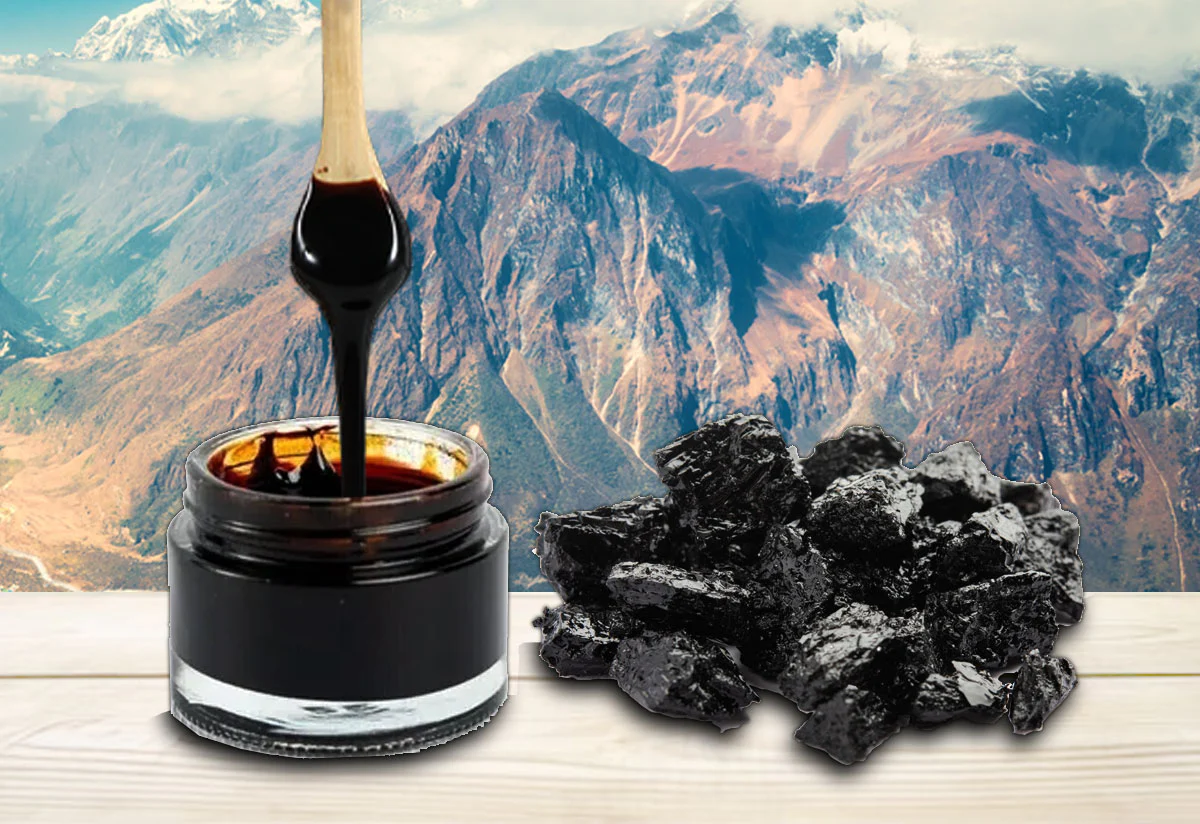
Some supplements feel ancient in a good way. Like they survived centuries because people kept getting results and refused to stop using them.
Shilajit and moringa sit in that category.
They come from completely different places. Shilajit leaks out of mountain rocks after decades of plant matter breaks down under pressure. Moringa grows fast on trees that can survive brutal heat and dry soil. One looks like black resin scraped from a cave wall. The other gets blended into bright green powder and tossed into smoothies.
And somehow people still compare them all the time.
I get why. Both are tied to energy, recovery, focus, and daily wellness. Both show up in capsules beside trendy supplements with names nobody can pronounce. But the effects feel different once you actually use them.
Here’s what matters.
What is shilajit?
Shilajit is a mineral-rich resin found in mountain ranges like the Himalayas, Altai, and Caucasus.
Traditional Ayurvedic medicine used it for stamina, strength, and recovery long before supplement companies started sealing it into black jars with gold labels.
Good shilajit usually contains fulvic acid, trace minerals, and organic compounds created through a long natural decomposition process. Real resin smells earthy, tastes bitter, and kinda sticks to everything it touches. If it tastes like candy, something weird probably happened during manufacturing.
Most people take it for:
- Physical energy
- Workout recovery
- Mental clarity
- Testosterone support
- Stress resilience
The research is still growing, but a few human studies have shown promising results around fatigue, fertility, and cognitive support.
One 2012 study published in Andrologia found that purified shilajit improved total testosterone levels in healthy men after 90 days. That study gets quoted constantly because there still aren’t many long-term human trials on the ingredient.
You’ll usually see shilajit sold as:
- Resin
- Gummies
- Capsules
- Powder blends
Resin is the closest thing to the raw form. It also tastes like somebody dissolved burnt soil into hot water.
What is moringa?
Moringa comes from the moringa oleifera tree, often called the “drumstick tree” in India.
Its leaves are packed with nutrients. Vitamin C, iron, calcium, potassium, polyphenols. That’s why moringa powder became popular with people trying to clean up their diet without swallowing 12 separate supplements.
The taste is grassy and sharp. Somewhere between spinach and green tea, except more aggressive.
People usually take moringa for:
- General nutrition
- Energy support
- Blood sugar balance
- Skin health
- Immune support
Moringa feels closer to a functional food than a performance supplement.
You can stir it into smoothies, soups, yogurt, oatmeal, or protein shakes. A lot of people use it daily without thinking much about dosage because it behaves more like a concentrated vegetable.
Shilajit vs moringa: the real difference
These supplements overlap in a few areas, but they work differently.
Shilajit feels targeted.
Moringa feels nutritional.
That’s the cleanest way I can describe it.
People who take shilajit often talk about steady energy, better recovery, and sharper focus after a few weeks. People who take moringa usually notice broader health effects first, things like digestion, reduced cravings, or getting more greens into their routine.
One acts more like a mineral resin with adaptogenic properties.
The other acts more like a nutrient-dense plant food.
That distinction matters because expectations ruin supplement experiences.
If someone expects moringa to feel like a stimulant, they’ll probably get disappointed.
If someone expects shilajit to replace vegetables, that’s another dead end.
Energy and stamina
This is where shilajit usually pulls ahead.
A lot of athletes and gym users take it because the effects feel physical. Better training sessions. Less crash afterward. More stable energy through the afternoon.
Part of that probably comes from fulvic acid helping nutrient transport and mitochondrial function. Some early research points in that direction.
Moringa can still help energy levels, especially if someone’s diet is rough or low in iron and micronutrients. But the feeling is subtler.
Think of moringa like improving the quality of fuel.
Shilajit feels more like improving the engine.
Testosterone and hormonal support
Shilajit gets far more attention here.
There’s actual human research behind testosterone support, even though the studies are still limited. That’s one reason shilajit became popular in men’s health circles.
Moringa research around hormones exists mostly in animal studies right now. Some findings look interesting, especially around antioxidant activity and reproductive health, but human evidence is thinner.
If hormone support is the main goal, most people lean toward shilajit.
Nutrition profile
Moringa wins this category pretty easily.
It contains vitamins, minerals, amino acids, antioxidants, and plant compounds in meaningful amounts. People in some parts of the world use moringa leaves as regular food because they’re nutrient dense and accessible.
Shilajit contains minerals too, but you don’t take it like a multivitamin.
The serving sizes are tiny.
A pea-sized amount of resin is common. Nobody’s eating a bowl of shilajit leaves for lunch.
Brain fog and focus
This one depends on the person.
Some people swear shilajit gives them cleaner mental energy. Less afternoon fog. Better concentration during work.
There’s a theory that fulvic acid and dibenzo-alpha-pyrones support mitochondrial activity in brain cells, though research is still developing.
Moringa may help cognition indirectly through antioxidant compounds and nutrient support. But the effect feels quieter.
You probably won’t drink moringa tea and suddenly finish 8 hours of deep work.
Then again, caffeine addicts say weird things online all the time.
Which one is better for workouts?
For training performance, I’d probably pick shilajit.
Especially for people lifting weights, doing endurance training, or recovering from hard sessions multiple times per week.
A lot of users combine shilajit with creatine because the pairing makes sense. One supports ATP production and strength output. The other may help recovery and nutrient utilization.
Moringa still has a place.
Its antioxidant content may help recovery and inflammation management. Some people also like adding moringa powder to post-workout smoothies because it boosts overall nutrient intake.
But if somebody asked me which one they’d feel more in the gym, I’d say shilajit.
Side effects and safety
Quality matters with both.
Low-grade shilajit can contain contaminants like heavy metals if it isn’t purified properly. That’s the biggest risk.
A good brand should provide third-party testing, sourcing details, and purification methods. If a company hides lab reports while selling “premium Himalayan resin” in flashy ads, I’d move on.
Moringa is generally well tolerated, though large amounts can upset digestion. Some people get bloating or mild stomach discomfort from concentrated powders.
Pregnant women should check with a healthcare professional before using either supplement regularly.
And if somebody already takes medication for blood pressure, blood sugar, or thyroid conditions, it’s smart to ask a doctor first. Supplements can interact in annoying ways.
Can you take shilajit and moringa together?
Yeah, plenty of people do.
They actually complement each other pretty well.
Shilajit covers the mineral-resin side of energy and recovery. Moringa adds nutritional support and antioxidants.
Some morning routines already combine them with:
- Sea moss
- Ashwagandha
- Creatine
- Electrolytes
- Protein shakes
Just keep the doses reasonable.
More powder doesn’t automatically mean better results. Sometimes it just means your kitchen smells like damp plants and dirt.
How to choose between shilajit and moringa
Choose shilajit if you care more about:
- Stamina
- Workout recovery
- Testosterone support
- Mental energy
- Adaptogenic effects
Choose moringa if you care more about:
- Daily nutrition
- Antioxidants
- Greens supplementation
- General wellness
- Plant-based nutrient intake
Some people eventually use both because the overlap is smaller than it looks.
Final thoughts
Shilajit and moringa come from completely different traditions, and they solve different problems.
Shilajit feels concentrated and performance-oriented.
Moringa feels nutritional and steady.
Neither one is magic. The internet loves pretending every supplement can fix sleep, hormones, productivity, skin, stress, metabolism, and your unread emails at the same time. Real life is slower than that.
But high-quality shilajit or moringa can absolutely support a healthier routine when the basics already exist: decent sleep, enough protein, regular movement, and food that didn’t come from a gas station.
That part still matters most.
Author bio
Emily Thompson is an experienced health and wellness consultant. She shares content on her blog, Find Shilajit. After seeing Shilajit improve her own health, she began teaching others about its ancient benefits. Through content and consultations, Emily helps modern professionals choose plant-based wellness. Her goal is to make natural health simple, clear, and effective.