
 Home
Home

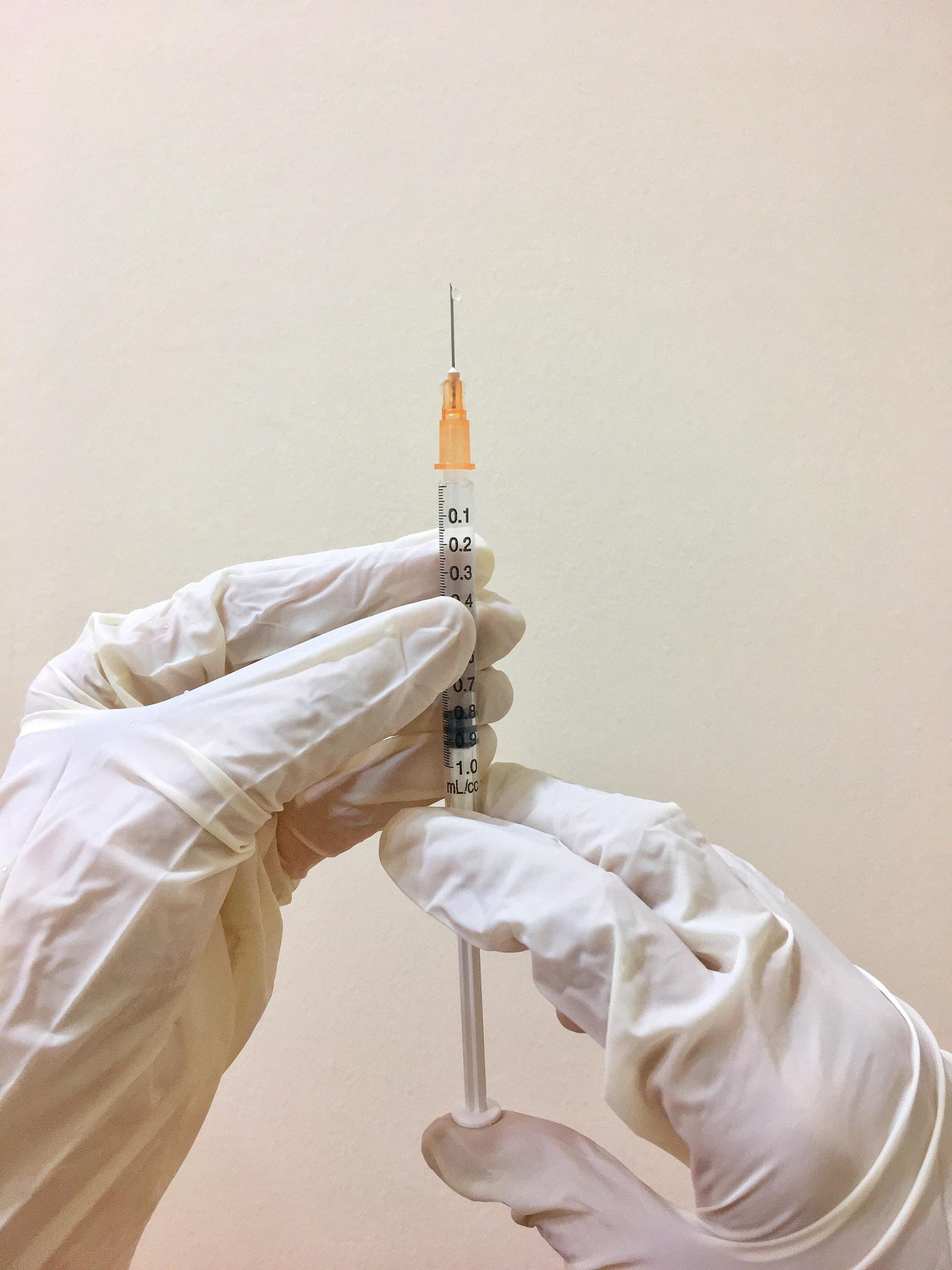
One of the most important things healthcare workers can do to protect themselves and their patients is to understand bloodborne pathogens. Not only does bloodborne pathogens compliance training help reduce the risk of exposure, but it also instills a sense of awareness about potential dangers in the workplace.
This article provides detailed information about the three most common types of infectious agents transmitted through bloodborne pathogens and why it is important to stay updated.
Hepatitis B virus (HBV)
Includes all diseases caused by the hepatitis B virus, such as acute hepatitis, chronic active hepatitis, and liver cirrhosis.
Transmitted through exposure to infected blood or body fluids. Symptoms include fever, fatigue, nausea and vomiting, abdominal pain and jaundice.
Hepatitis C virus (HCV)
Includes all diseases caused by the hepatitis C virus, such as chronic active hepatitis and cirrhosis.
Hepatitis C is a viral infection that causes liver inflammation, sometimes leading to serious liver damage. The hepatitis C virus (HCV) spreads through contaminated blood and is considered a bloodborne pathogens.
Transmitted through exposure to infected blood or body fluids. Symptoms include fever, fatigue, nausea and vomiting, abdominal pain and jaundice.
Please visit: https://microtechfiltration.com/email-on-deck
The risk of hepatitis C infection is more prevalent for health care worker who has been exposed to infected blood, which may happen if an infected needle piercing. That’s why it is necessary that used needles, should be properly disposed.
Human Immunodeficiency Virus (HIV)
Includes all diseases in which the virus attacks and impairs the immune system resulting in progressive failure of the body’s ability to fight off infectious disease and certain cancers.
Transmitted through exposure to infected blood or body fluids. Symptoms include fever, fatigue, nausea and vomiting, abdominal pain and jaundice.
How are Bloodborne Pathogens transmitted?
Bloodborne pathogens are transmitted through contact with blood or other bodily fluids. If an individual sustains an injury from a needle used on a patient who has hepatitis B, the employee may be at risk for contracting the disease. Employees or people can also become infected if they come into contact with another person’s contaminated blood or body fluids. Another common route of infection is through mucous membranes, which line the mouth, nose and eyes, as well as genital or anal openings. Because these areas are rich in blood vessels, they are especially susceptible to the spread of infectious diseases.
What can happen if Bloodborne Pathogens are contracted?
According to OSHA, there is no “safe” level of exposure to bloodborne pathogens. Exposure to these infectious agents can cause different diseases with varying severity depending on the type of pathogen contracted. The incubation period for contracting most forms of hepatitis is two weeks, but in some cases, it may take up to six months after contact for symptoms to develop.
If left untreated, individuals with hepatitis are at risk of developing chronic liver disease. Those with HIV infection have a life expectancy of approximately nine years after the initial infection, with an increase in severity of symptoms over time. The most severe stage is referred to as Acquired Immune Deficiency Syndrome or AIDS. During this final progression, the immune system becomes severely compromised and individuals contract a variety of different infections and develop signs or symptoms associated with certain cancers.
What is the best way to protect workers from Bloodborne Pathogens?
The most effective way for a healthcare industry employer to protect its workers from bloodborne pathogens is by providing adequate training on bloodborne pathogens and reinforcing proper protocols during routine training sessions.
which set of u.s. presidents have descendants who are married to each other? Employees should always be reminded of the appropriate way to dispose of sharp objects, contaminated materials and other items that may pose a risk. Employers should create an environment where employees feel comfortable reporting all accidents or injuries immediately. This will help healthcare employers prevent these types of incidents from occurring in the first place by being proactive about workplace safety.