 Home
Home

Hair transplantation represents a transformative journey for individuals struggling with hair loss, offering hope and renewed confidence to countless people worldwide. Unlike traditional cosmetic procedures, a successful hair transplant requires meticulous post-operative care and a comprehensive understanding of follicular health. Patients who invest time and effort in proper maintenance can significantly extend the longevity and quality of their transplanted hair. The intricate process of hair restoration demands more than just surgical intervention; it necessitates a holistic approach to scalp health, nutrition, lifestyle management, and consistent professional guidance. Understanding the nuanced requirements of transplanted hair follicles becomes paramount in achieving natural-looking, sustainable results that can dramatically improve one’s self-image and emotional well-being.
Table of Contents
The Importance of Hair Transplant Maintenance
Hair transplant maintenance and care transcends simple cosmetic considerations, representing a complex medical and personal commitment to preserving surgical outcomes. Transplanted hair follicles require specialized care during their initial integration and long-term growth phases. Medical research demonstrates that approximately 85-90% of transplanted grafts successfully survive when patients follow recommended maintenance protocols. Professional hair restoration specialists emphasize that proper care directly influences the survival rate and aesthetic quality of transplanted hair. Each follicular unit represents a delicate biological structure that demands gentle handling, strategic nutritional support, and protective environmental management. Understanding the intricate biological mechanisms of hair growth and transplantation helps patients develop more informed, proactive approaches to post-surgical care.
Daily Scalp Care and Gentle Washing Techniques
Developing a precise scalp care routine represents a critical aspect of hair transplant maintenance. Dermatological experts recommend using mild, sulfate-free shampoos specifically designed for sensitive scalps during the initial recovery period. Patients should avoid aggressive scrubbing, instead utilizing gentle patting motions to clean transplanted areas. Lukewarm water helps prevent unnecessary stress on healing follicles, while soft microfiber towels minimize potential mechanical damage during drying. Professional clinics like Liv Hospital recommend waiting at least 48 hours post-surgery before initial washing, then gradually introducing specialized cleansing techniques. Selecting appropriate hair care products becomes paramount, with considerations including pH balance, hydration properties, and minimal chemical interactions. Patients must understand that each washing session represents an opportunity to support healing while maintaining scalp hygiene.
Nutrition and Hydration for Healthy Hair Growth
Nutritional strategies play a fundamental role in supporting transplanted hair follicle health and overall recovery. Protein-rich diets containing essential amino acids contribute directly to keratin production, the primary structural component of hair strands. Micronutrients like biotin, zinc, iron, and vitamin D prove particularly influential in hair regeneration processes. Nutritionists recommend consuming lean proteins, leafy green vegetables, nuts, and whole grains to provide comprehensive follicular support. Hydration emerges as another critical factor, with adequate water intake facilitating nutrient transportation and metabolic functions essential for hair growth. Supplementation might be recommended in cases of specific nutritional deficiencies, though professional medical consultation remains crucial. Patients should view their dietary approach as a holistic strategy supporting not just hair restoration but overall physiological wellness.
Managing Physical Activity and Lifestyle Habits
Post-transplant physical activity management requires strategic planning and professional guidance. Medical professionals from Liv Hospital typically recommend avoiding strenuous exercises and heavy lifting for approximately two weeks following the procedure. Gradual reintroduction of physical activities helps prevent potential graft displacement or unnecessary scalp stress. Patients must protect transplanted areas from excessive sweating, direct sun exposure, and potential mechanical trauma during initial recovery stages. Wearing loose, breathable headwear can provide additional protection during outdoor activities. Stress management becomes equally important, as elevated cortisol levels can potentially impact hair growth and overall healing processes. Implementing relaxation techniques like meditation, yoga, or controlled breathing exercises can support both psychological well-being and physiological recovery.
Protecting Hair From Environmental Damage
Environmental factors significantly influence transplanted hair health, necessitating comprehensive protective strategies. Ultraviolet radiation represents a primary concern, potentially causing oxidative stress and follicular damage. Patients should utilize broad-spectrum sunscreens specifically formulated for scalp protection, wearing protective headgear during extended sun exposure. Pollution, chlorinated water, and harsh chemical treatments can compromise hair quality, requiring specialized defensive approaches. Professional hair care experts recommend using leave-in conditioning treatments containing antioxidants to mitigate environmental stressors. Silk or satin pillowcases can reduce friction during sleep, minimizing potential mechanical damage. Understanding the interaction between external environmental factors and hair follicle health enables patients to develop more sophisticated protective routines.
Medications, Topical Treatments, and Professional Recommendations
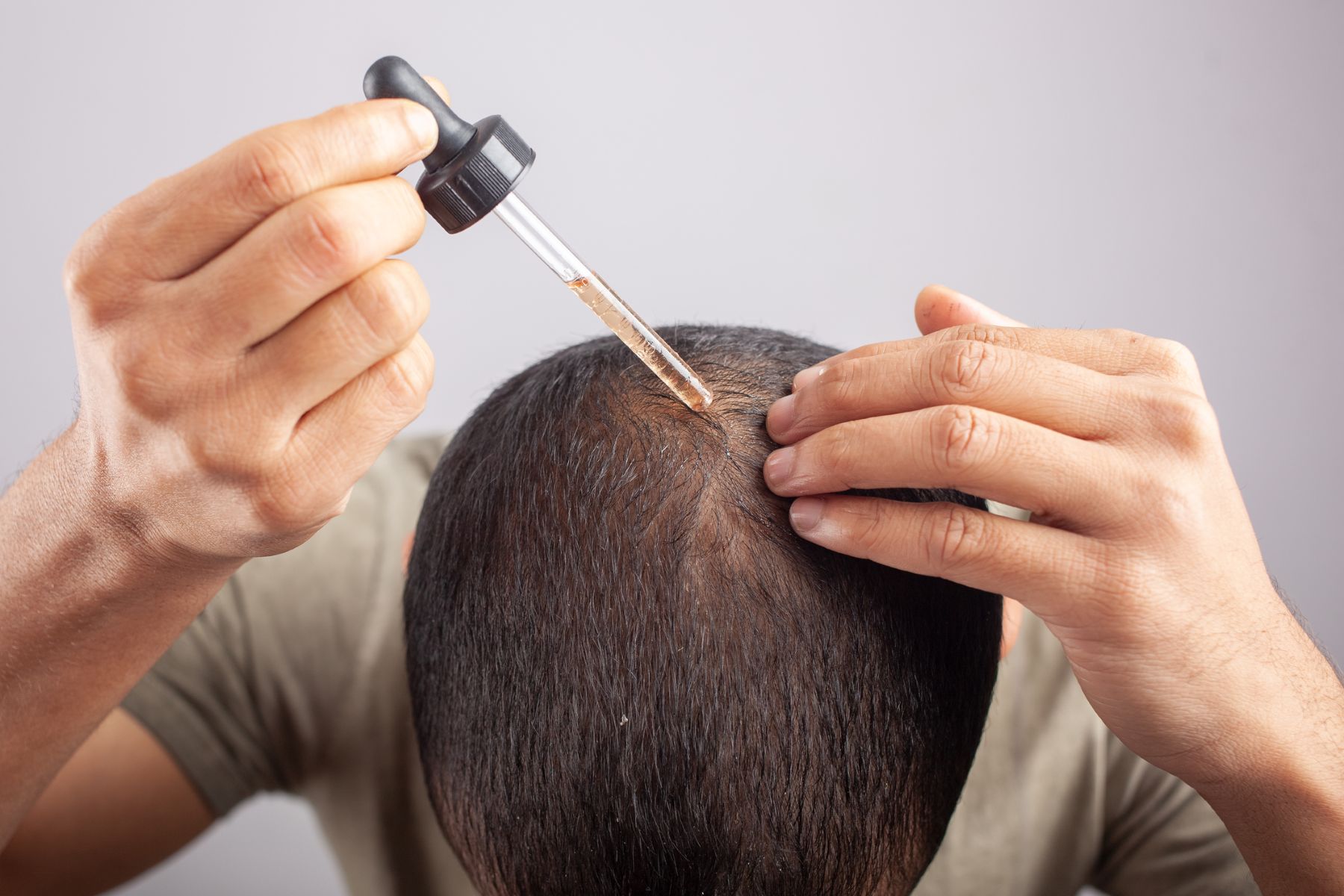
Personalized pharmaceutical interventions can significantly enhance hair transplant maintenance outcomes. Medications like finasteride and minoxidil might be recommended to support existing hair preservation and stimulate additional growth. Topical treatments containing growth factors, peptides, and regenerative compounds can provide targeted follicular support. Professional hair restoration specialists develop individualized treatment plans considering genetic predispositions, existing hair density, and specific patient characteristics. Regular follow-up consultations allow continuous monitoring and adjustment of maintenance strategies. Some clinics offer advanced treatments like platelet-rich plasma (PRP) therapy, which can potentially accelerate healing and support follicular strength. Patients must maintain open communication with their healthcare providers to optimize long-term restoration results.
Long-Term Wellness Strategies for Hair Health
Sustainable hair health requires a comprehensive, holistic approach extending beyond immediate post-surgical care. Stress reduction, balanced nutrition, regular exercise, and consistent sleep patterns contribute significantly to overall hair vitality. Patients should view hair transplant maintenance as part of a broader wellness journey, integrating physical, nutritional, and psychological strategies. Regular scalp massages can improve blood circulation and support follicular health. Avoiding harsh chemical treatments, minimizing heat styling, and protecting hair from mechanical stress becomes crucial. Mental health support can also play a significant role, as psychological well-being directly influences physiological recovery processes. Wellness-focused platforms like live and feel can offer additional tips and guidance for maintaining healthy hair and overall well-being over the long term.