 Home
Home

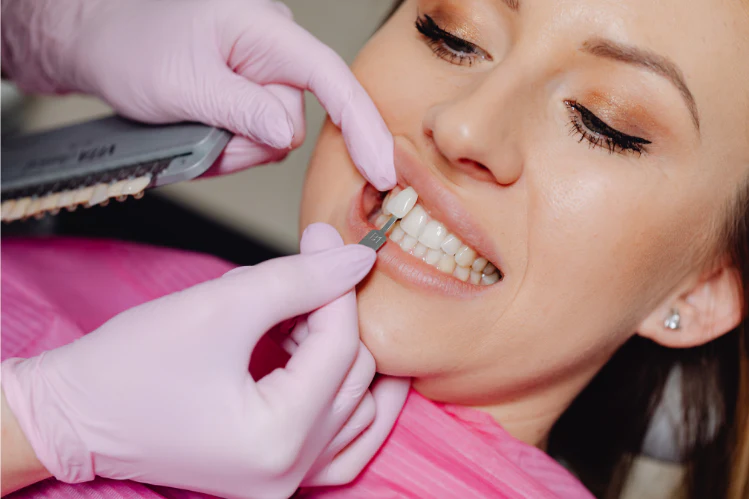
One popular method under cosmetic dentistry treatments uses Dental veneers to create perfect smile results. Patients who desire teeth surface enhancements through stain elimination and gap filling as well as alignment correction find veneers can transform their appearance. What do dental veneers remain for original patients through the time of their treatment? remains one of the leading questions which dental patients ask before receiving treatment with veneers.
We will discuss dental veneer lifespan in depth throughout this guide as well as describing the variables which influence durability and providing maintenance instructions and showing expected outcomes after treatment.
What Are Dental Veneers?
Strips of dental veneer are thin shells constructed specifically for front tooth bonding. The purpose of these dental veneers is to create the appearance of natural enamel while also enhancing the tooth shapes as well as colors and uniformity. Porcelain and composite resin are both commonly used materials for veneers because they each contain specific advantages.
Dentists commonly recommend Dental veneers treatment for patients with:
- Discolored or stained teeth
- Chipped or cracked teeth
- Gaps between teeth
- Mildly misaligned or uneven teeth
- Worn-down enamel
How Long Do Dental Veneers Last?
The lifespan of dental veneers depends largely on the material used, oral hygiene habits, and lifestyle choices.
Porcelain Veneers
Porcelain veneers provide these two important features: strength together with resistance to stains. On average, they last:
Porcelain veneers can maintain their appearance for 10 to 15 years while expert dental care might extend the time to 20 years.
Being highly durable and natural-looking they serve as a long-lasting investment for smile improvement.
Composite Veneers
Composite resin veneers offer reduced costs but decrease the durability available from porcelain materials. Their average lifespan is:
5 to 7 years
Your maintenance requirements will be shorter and your veneers will get more stains along with minimal damage risks.
Factors That Affect the Lifespan of Dental Veneers
Several factors can influence how long your veneers last after Dental veneers treatment:
1. Oral Hygiene
Good oral hygiene is essential. While veneers themselves cannot decay, the underlying teeth and gums can. Poor hygiene can lead to cavities or gum disease, which may require veneer replacement.
2. Teeth Grinding (Bruxism)
Grinding or clenching your teeth puts excessive pressure on veneers, increasing the risk of cracks or fractures.
3. Diet Choices
Hard foods, sticky candies, and frequent consumption of staining beverages like coffee or red wine can reduce veneer longevity.
4. Quality of Dental Work
The skill and experience of your dentist play a significant role. Proper bonding and placement ensure veneers last longer and perform better.
5. Lifestyle Habits
Habits such as nail-biting, chewing ice, or opening packages with your teeth can damage veneers over time.
What to Expect After Dental Veneers Treatment
Understanding what happens after getting veneers can help you maintain realistic expectations.
Initial Adjustment Period
After Dental veneers treatment, you may experience slight sensitivity to hot or cold foods for a few days. This usually fades as your mouth adjusts.
Natural Look and Feel
High-quality veneers feel natural and blend seamlessly with your teeth. Most patients forget they even have them after a short time.
Improved Confidence
One of the biggest benefits patients report is increased confidence. A brighter, well-aligned smile can positively impact both personal and professional interactions.
Care Tips to Make Dental Veneers Last Longer
Proper care can significantly extend the lifespan of your veneers.
1. Maintain Daily Oral Hygiene
- Brush twice daily using a non-abrasive toothpaste
- Floss once a day to prevent gum issues
- Use an alcohol-free mouthwash
2. Avoid Excessive Force
- Don’t bite hard objects like ice, pens, or nuts
- Avoid tearing packages with your teeth
3. Wear a Night Guard
If you grind your teeth at night, a custom night guard can protect your veneers from damage.
4. Limit Stain-Causing Foods
Although porcelain veneers resist stains, the natural teeth around them do not. Moderating coffee, tea, tobacco, and wine helps maintain a uniform smile.
5. Schedule Regular Dental Checkups
Routine dental visits every six months allow your dentist to monitor your veneers and address minor issues before they become major problems.
Do Dental Veneers Need Replacement?
Yes, dental veneers are not permanent. Over time, they may wear down, chip, or loosen. When that happens, replacement becomes necessary. Fortunately, modern Dental veneers treatment techniques make replacement simple and effective.
Common signs that veneers may need replacement include:
- Visible cracks or chips
- Discomfort or sensitivity
- Gum recession exposing the edges
- Changes in bite alignment
Are Dental Veneers Worth the Investment?
For many patients, the answer is yes. Dental veneers offer long-lasting cosmetic improvement with minimal invasiveness. While they require an upfront investment, their durability and impact on confidence often make them worthwhile.
Compared to orthodontics or whitening treatments, veneers provide immediate and dramatic results that can last for years with proper care.
Final Thoughts
So, how long do dental veneers last? With proper care, porcelain veneers can last over a decade, while composite veneers offer a shorter but still effective solution. The key to maximizing their lifespan lies in maintaining excellent oral hygiene, avoiding damaging habits, and attending regular dental checkups.
If you’re considering Dental veneers treatment, consult an experienced cosmetic dentist to determine the best option for your smile goals. With the right approach, veneers can provide a beautiful, confident smile that stands the test of time.