
 Home
Home

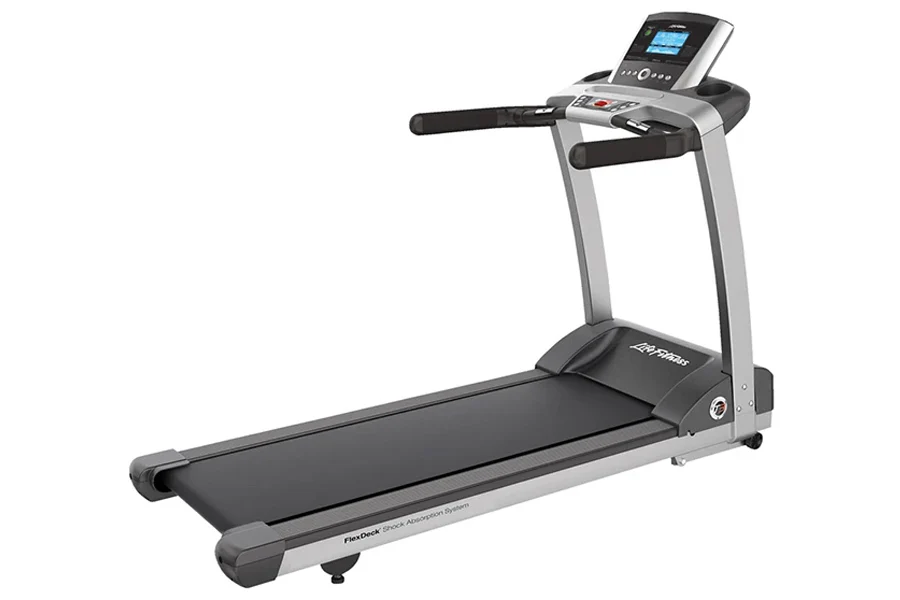
Choosing the right treadmill for sale is not simply a matter of selecting a brand or comparing advertised features. Treadmills differ widely in mechanical design, durability, running comfort, and space requirements, all of which influence how practical the equipment will be over time. For Australian households, where space, noise, and long-term reliability are common concerns, careful evaluation is essential. This article provides an impartial, research-based overview of treadmill selection, outlining the key factors that determine performance, safety, and value.
Table of Contents
Why Treadmills Remain A Core Piece Of Fitness Equipment
Treadmills continue to be widely used because they offer controlled cardiovascular exercise in a predictable environment. Walking, jogging, and running can be performed regardless of weather, location, or time of day. For many people, a treadmill for sale represents a dependable way to maintain regular physical activity without relying on outdoor conditions. Beyond convenience, treadmills allow users to regulate speed and incline precisely. This makes them suitable for gradual fitness progression, rehabilitation programs, and structured endurance training.
Common Treadmill Classifications
In Australia, treadmills are generally grouped into home-use, semi-commercial, and commercial categories. Home-use treadmills are designed for lighter workloads and typically focus on compact size and affordability. Semi-commercial treadmills are built for more frequent use, incorporating stronger frames and higher-capacity motors. Commercial treadmills are engineered for continuous operation in gyms and training facilities. Selecting the correct category when evaluating a treadmill for sale helps ensure the equipment matches the expected level of use and avoids premature wear.
Motor Capacity And Long-Term Performance
Motor design plays a central role in treadmill performance. Continuous operating capacity is a more meaningful indicator than peak power figures, as it reflects how the treadmill performs under sustained load. Walking places modest demands on a motor, whereas running requires consistent output and effective heat management. A treadmill for sale with adequate continuous motor capacity will deliver smoother belt movement, improved speed consistency, and quieter operation, all of which contribute to a longer service life.
Running Belt Size And Stability
The dimensions of the running belt affect both comfort and safety. Narrow or short belts may be adequate for walking but can feel restrictive during jogging or running. Treadmills intended for higher speeds usually provide longer and wider decks to support natural stride length. Cushioning systems are designed to manage impact forces while maintaining surface stability. Well-balanced cushioning reduces stress on joints without creating excessive softness that could affect balance.
Speed Control And Incline Options
Speed range and incline adjustment influence how versatile a treadmill is. Incline functionality allows users to increase workout intensity without increasing speed, which can be useful for low-impact training and strength-focused walking sessions. A treadmill for sale that offers smooth electronic incline control and accurate speed adjustments supports interval workouts, endurance training, and progressive fitness development.
Managing Space And Storage
Space limitations are a common consideration in Australian homes. Folding treadmills allow the running deck to be stored vertically when not in use, reducing the overall footprint. Many designs include assisted folding mechanisms to improve safety and ease of handling. When assessing a treadmill for sale, buyers should consider operating dimensions, folded height, and ceiling clearance, particularly if incline is used regularly.
Console Design And Practical Usability
Treadmill consoles range from basic displays to advanced interactive systems. While connectivity features may enhance engagement, simplicity and readability are often more important for long-term use. Essential metrics such as speed, time, distance, and incline should be easy to read during exercise. A treadmill for sale should allow quick adjustments without requiring excessive interaction.
Frame Quality And Weight Ratings
Maximum user weight ratings provide insight into overall construction quality. Higher ratings generally indicate stronger frames, thicker decks, and more durable components. Even lighter users benefit from sturdier construction through improved stability and reduced vibration. Selecting a treadmill for sale with a solid frame design contributes to quieter operation and extended equipment lifespan.
Warranty Coverage And Service Support
Warranty terms vary widely and are a critical consideration when purchasing motorised fitness equipment. Coverage for the motor and frame is particularly important, as these components are expensive to repair. Australian buyers should also consider the availability of local servicing and spare parts. Reliable support infrastructure significantly improves long-term ownership experience.
New Versus Used Treadmills
Second-hand treadmills may offer lower upfront costs, but they often come with unknown usage history and limited support. Wear to belts, motors, and electronics may not be immediately visible. A new treadmill for sale offers predictable performance, current safety standards, and warranty protection, which can provide better overall value over time.
Importance Of Retailer Selection
The retailer plays an important role in product authenticity, warranty handling, and after-sales support. Specialist fitness retailers generally provide clearer specifications, better guidance, and more reliable service networks than general retailers. For those researching a dependable treadmill for sale, choosing an established Australian retailer can reduce risk and simplify long-term maintenance. The most suitable treadmill is one that aligns with intended use, fitness goals, and available space. Walking-only users, runners, and households with multiple users each have different requirements. By focusing on motor capacity, deck size, frame quality, and warranty coverage, buyers can select a treadmill that supports consistent training and long-term performance.
Frequently Asked Questions
What is the most important factor when choosing a treadmill for sale? Motor quality and structural durability have the greatest impact on long-term performance.
Are folding treadmills reliable for frequent use? Yes, provided they are built with sufficient motor capacity and frame strength.
How much space should be allowed for a treadmill? Space should include the treadmill footprint, rear clearance, and ceiling height for incline use.
Are treadmills suitable for apartments? Higher-quality treadmills typically produce less noise and vibration.
Is incline necessary for effective workouts? Incline is optional but adds intensity and workout variety.
How long should a quality treadmill last? With proper care, a well-built treadmill can last many years.
Does retailer support matter after purchase? Yes, access to servicing and spare parts is essential.
Can one treadmill be used by multiple people? Yes, if it has adequate deck size and weight capacity.
Are advanced consoles essential for fitness results? No, consistent usage is more important than display features.
Is buying a new treadmill for sale safer than second-hand? New treadmills provide warranty coverage and predictable performance.