
 Home
Home

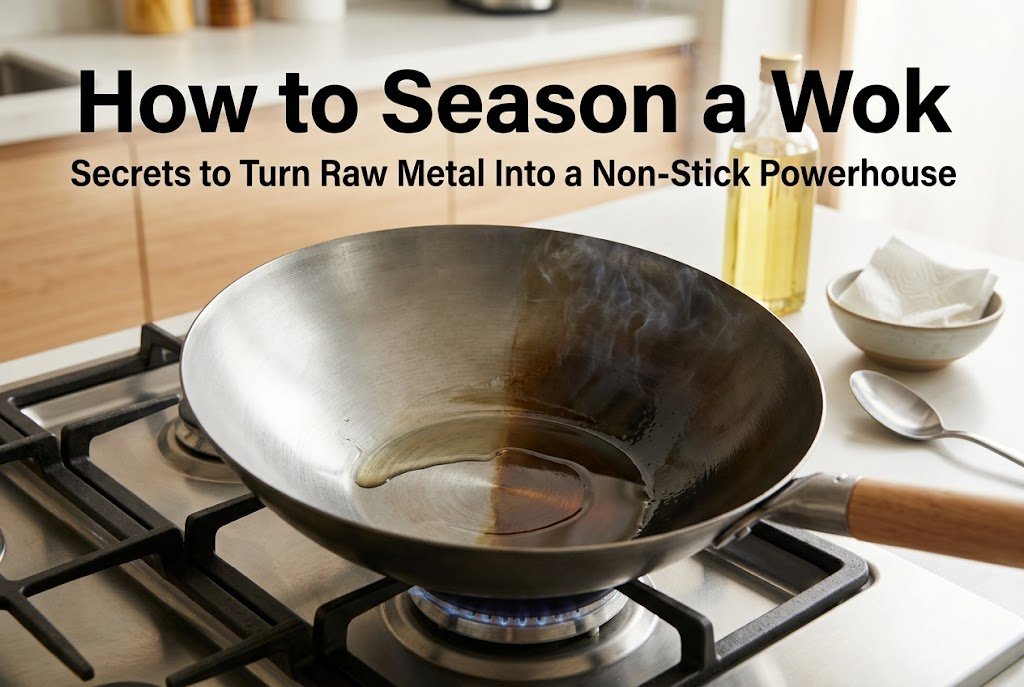
A brand-new wok looks shiny and promising, but that gleaming surface is actually the reason your first few stir-fries might turn into a sticky, frustrating mess. Raw metal has no protective coating, which means food clings, sauces scorch, and cleanup becomes a chore rather than a pleasure. This is exactly why understanding how to season a wok matters so much before you start cooking with it. Seasoning is the process of building a natural, non-stick layer on the metal by heating oil until it bonds with the surface. It is not a one-time trick but a habit that improves with every meal you cook. Once mastered, a well-seasoned wok becomes smoother, darker, and more responsive over the years, almost like a trusted kitchen companion. This guide breaks down every stage of the process in simple, practical steps so even first-time wok owners can get it right.
Table of Contents
Key Features of Properly Seasoning a Wok
Removing the Factory Coating First
New woks, especially carbon steel ones, often arrive with a thin layer of oil or lacquer applied by the manufacturer to prevent rusting during shipping. This coating must be scrubbed off completely before seasoning begins. Use hot water, a stiff brush, and a little dish soap, scrubbing until the metal looks dull grey rather than shiny. Skipping this step means your seasoning oil will bond to factory residue instead of the actual metal, leading to flaking and uneven results later.
Drying and Heating the Metal Thoroughly
After washing, moisture left on the surface can cause rust spots within minutes, particularly with carbon steel woks. Place the wok directly on the stove over medium-high heat until every trace of water evaporates and the metal begins to change color slightly. This step also opens up the microscopic pores in the metal, allowing oil to soak in more effectively during the next stage. Patience here prevents problems that are hard to fix afterward.
Applying a Thin Layer of High-Smoke-Point Oil
Once the wok is dry and hot, add a small amount of oil with a high smoke point, such as vegetable, canola, or peanut oil. Using a paper towel or tongs, spread the oil across the entire interior surface, including the sides. The layer should be thin, almost invisible, rather than pooling at the bottom. Too much oil creates a sticky, uneven finish instead of the smooth patina you’re aiming for.
Heating Until the Surface Darkens
Continue heating the oiled wok over medium-high flame, tilting and rotating it so every part of the surface gets exposed to heat evenly. Within a few minutes, you’ll notice the metal changing color, moving from grey to brown, and eventually to a deep black or bronze tone. This color change signals that the oil has polymerized, forming a hard, protective layer bonded to the metal itself rather than just sitting on top of it.
Repeating the Process Multiple Times
One round of oiling and heating is rarely enough for lasting results. Most experienced cooks repeat the oil-and-heat cycle three to five times, allowing the wok to cool slightly between rounds. Each repetition adds another microscopic layer of polymerized oil, gradually building strength and non-stick performance. Rushing through just one cycle often leads to disappointment when food sticks during your first stir-fry.
Cooking With Fatty Ingredients Early On
After the initial seasoning session, the process isn’t entirely finished. Cooking a few meals with naturally oily ingredients, like scrambled eggs, bacon, or stir-fried vegetables with extra oil, helps reinforce the seasoning layer through everyday use. These early cooking sessions act as a continuation of the seasoning process, gradually deepening the wok’s color and improving its performance with each use.
Practicing Proper Post-Cooking Care
Maintaining seasoning is just as important as building it. After cooking, avoid harsh soap and metal scouring pads, since these strip away the very layer you worked to create. Instead, rinse with hot water, use a soft brush or sponge for stuck bits, dry the wok completely, and rub a light coat of oil over the surface before storing. This routine protects your investment and keeps the wok performing well for years.
Frequently Asked Questions
1. How often should I season my wok? Full seasoning is mainly needed when the wok is new or if the surface has rusted or lost its coating due to improper cleaning. For everyday use, simply cooking regularly and applying a light oil coat after washing is usually enough to maintain the seasoning naturally over time.
2. Can I season a non-stick or stainless steel wok? Traditional seasoning works best on carbon steel or cast iron woks because their porous surface absorbs oil effectively. Non-stick woks already have a manufactured coating and shouldn’t be seasoned this way, while stainless steel doesn’t hold seasoning well due to its smooth, non-porous nature.
3. Why does my wok still stick to food after seasoning? This usually happens when the seasoning layer is too thin, uneven, or hasn’t fully developed yet. It can also occur if the wok wasn’t heated enough during seasoning or if too much oil was used, preventing proper polymerization. Repeating the process a few more times often solves the issue.
Conclusion
Learning how to season a wok is one of the most valuable skills any home cook can pick up, especially for anyone serious about stir-frying, searing, or steaming with authentic results. While the process requires a bit of patience and repetition, the payoff is a durable, naturally non-stick cooking surface that only improves with age. By cleaning thoroughly, applying thin oil layers, heating properly, and maintaining the wok after every meal, you’ll build a kitchen tool that lasts for decades rather than months. Treat seasoning as an ongoing relationship with your cookware rather than a single task, and your wok will reward you with better flavor, easier cleanup, and reliable performance in every dish you prepare.