 Home
Home

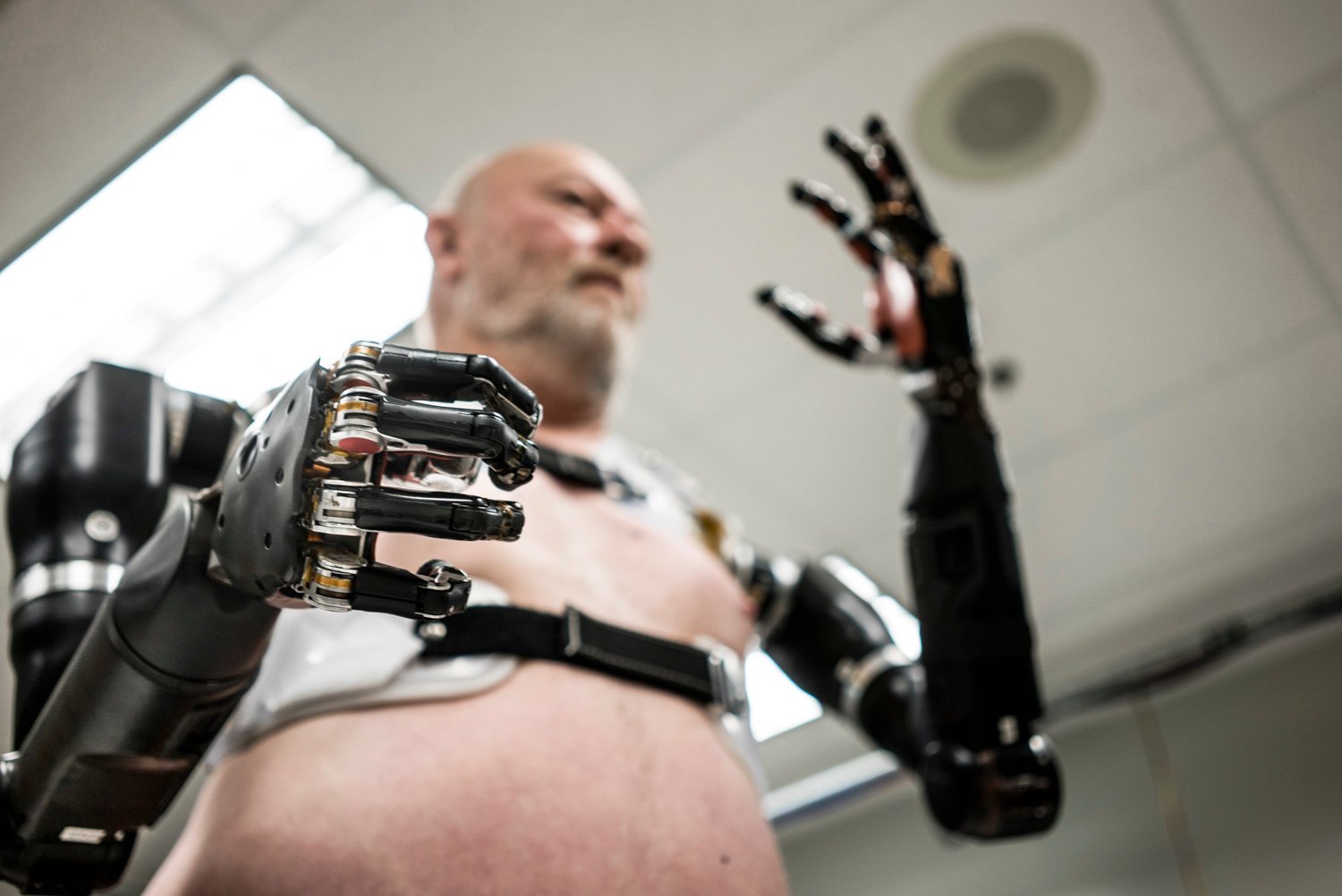
Losing a limb changes almost everything about how a person moves through the world, but it doesn’t have to end independence the way it once did. Advances in materials science, microprocessor control, and socket design over the past two decades have turned prosthetic devices into something closer to an extension of the body than a replacement for it. For patients, families, and the clinicians who work with them, understanding what’s actually possible today matters more than the old assumptions about what a prosthesis can and can’t do.
Table of Contents
Custom Fit Changes the Whole Experience
A prosthetic limb that doesn’t fit properly causes skin breakdown, pain, and eventually gets left in a closet. That’s the single biggest reason clinics have moved so heavily toward individualized fabrication rather than off-the-shelf components. Every residual limb has a different shape, volume, and sensitivity pattern, and a socket built around 3D scanning and iterative fitting sessions accounts for those differences in a way mass production never could. This is also where custom orthotics and prosthetics diverge from older models of care: the device gets built around the patient’s anatomy and goals, not the other way around. A construction worker returning to a physically demanding job needs different load distribution than a retiree who mainly wants to garden and walk the dog, and a properly customized device reflects that from the first fitting.
Materials have shifted too. Carbon fiber components that flex and store energy during walking have largely replaced the rigid designs common a generation ago, cutting fatigue and letting users cover more ground without the same energy cost. Socket liners now use silicone and thermoplastic gels that adjust to volume changes throughout the day, which sounds minor until you consider that limb volume can shift several times just from sitting versus standing. None of this happens overnight, either — a good fitting process usually spans weeks of adjustment as swelling settles and the patient’s gait stabilizes.
Age at the time of amputation also shapes the fitting process in ways that surprise a lot of families going through this for the first time. A younger, more active patient typically has different priorities than an older patient managing multiple health conditions alongside limb loss, and a prosthetist worth trusting will tailor component selection accordingly rather than defaulting to whatever configuration happens to be most common. A device built for someone who wants to return to recreational sports looks meaningfully different, in weight, flexibility, and durability tradeoffs, than one built for someone whose main goal is simply comfortable mobility around the house and neighborhood.
Above-Knee Amputations Bring Their Own Engineering Problems
Losing a limb above the knee removes both the knee joint and the connection point for controlling it, which is a much bigger mechanical problem than it might sound. The residual limb has to generate stability through the hip and socket alone, and the prosthetic knee unit has to decide, moment to moment, whether the person is walking on flat ground, climbing stairs, or catching themselves after a stumble. Microprocessor knees read that information dozens of times per second and adjust resistance accordingly, which is why someone fitted with a modern best prosthetic leg above knee often walks with a smoother, more natural gait than earlier hydraulic or mechanical knee designs allowed. Speaking of which, the difference in energy expenditure between a well-tuned microprocessor knee and an older mechanical one can be substantial enough that patients report being able to walk for an hour instead of twenty minutes before fatigue sets in.
Rehabilitation for an above-knee amputee also takes longer than for someone with a below-knee loss, mostly because there’s more to relearn. Balance training, hip strengthening, and gait retraining all have to happen before the prosthesis feels like part of the body rather than something bolted onto it. Patients who stick with physical therapy through that adjustment period consistently report better long-term outcomes, both in mobility and in how confident they feel using the limb in public.
Insurance coverage adds a layer of complexity that catches a lot of patients off guard during this process. Medicare, Medicaid, and private insurers all classify prosthetic components differently, and a device considered medically necessary by one payer might require additional documentation or appeal for another. Prosthetists who work regularly with a given insurer’s requirements tend to submit cleaner claims the first time, avoiding the delays that come from a denial and resubmission cycle that can stretch out a patient’s timeline by weeks or months. Patients who ask upfront about what documentation their specific device will require, rather than assuming coverage will simply follow clinical need, tend to move through the approval process with considerably less frustration.
Hip Disarticulation Requires an Entirely Different Approach
When the amputation occurs at the hip joint itself rather than through the femur, the engineering challenge multiplies. There’s no thigh bone left to anchor a socket, no natural pivot point, and almost no residual muscle to control movement directly. This is the territory of hip disarticulation care, and it’s a much smaller, more specialized corner of prosthetic practice than above-knee or below-knee work. A hemipelvectomy prosthesis has to replace hip flexion, hip rotation, and knee function all at once, using a socket that wraps around the pelvis itself for suspension since there’s nothing else to hold onto.
Here’s the kicker though — patients who receive this level of amputation often walk again at all only because prosthetists have gotten much better at building lightweight, articulating hip joints that don’t require the enormous energy expenditure older designs demanded. Weight matters enormously here; every extra ounce in the device has to be lifted and swung with muscles that were never designed for that job. Modern frame materials have cut typical device weight significantly compared to designs from even fifteen years ago, which translates directly into how far and how long someone can realistically walk in a day.
What Patients and Families Should Actually Expect
The timeline from amputation to a fully functional prosthesis rarely moves as fast as people hope. Wound healing has to finish, swelling has to stabilize, and a temporary or preparatory device usually comes before the definitive one. Insurance approval adds its own delays, and the fitting process itself typically requires several visits as the prosthetist fine-tunes alignment, suspension, and comfort. Patients who understand this upfront tend to handle the process with less frustration than those expecting a single appointment to solve everything.
Psychological adjustment runs alongside the physical one, and it’s not something a well-built socket can fix on its own. Peer support programs, where someone further along in their own recovery talks through the realities of daily life with a prosthesis, have shown up repeatedly as one of the more effective tools clinics have for helping new patients through the early months. It’s not glamorous work, and it doesn’t show up in a device specification sheet, but it shapes outcomes just as much as the hardware does.
The field keeps moving. Sensor-embedded liners that detect pressure points before they become sores, myoelectric control that reads muscle signals more precisely, and lighter alloy frames are all pushing toward prostheses that ask less of the user and give back more function. None of it replaces the limb that was lost, but it steadily narrows the gap between what a person could do before and what they can do now.