
 Home
Home

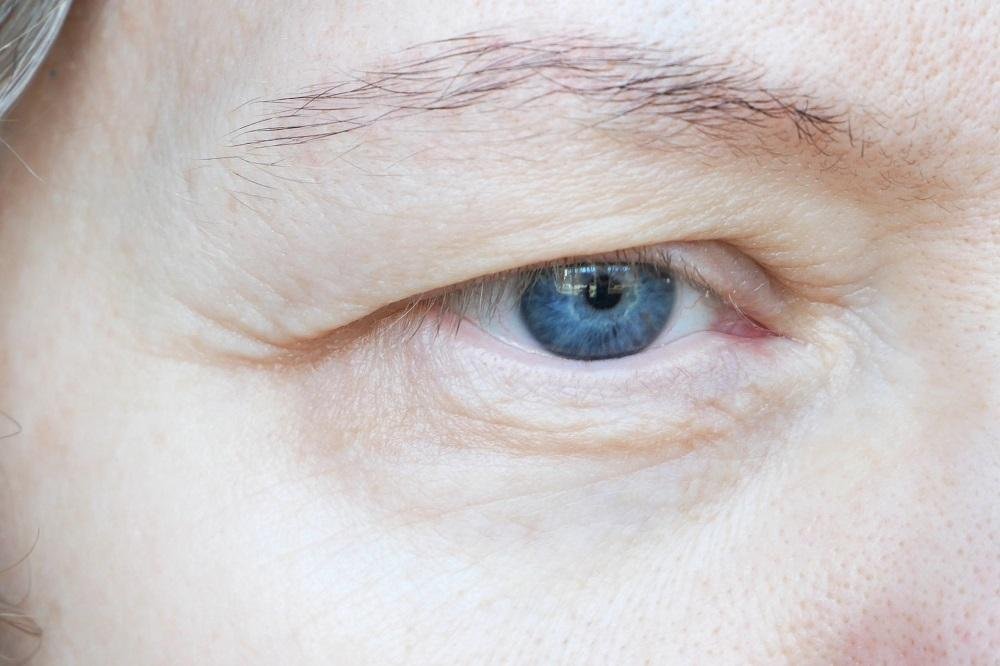
People tend to assume that puffy or heavy-looking eyelids are simply a matter of age or fatigue, something a good night’s sleep or the right skincare routine should eventually fix. For a meaningful number of patients, that assumption is wrong in a way that keeps them from getting help that would actually solve the problem. The eyelids sit at the intersection of cosmetic appearance and functional anatomy far more than most people realize, and drawing that line correctly changes how a condition should actually be treated.
Table of Contents
The Eyelid Is Doing More Work Than Most People Realize
Eyelid skin is some of the thinnest tissue on the human body, supported by a complex arrangement of muscle, fat, and connective tissue that has to move thousands of times a day without fatiguing. Over decades, that structure changes — skin loses elasticity, fat pads shift or herniate forward, and muscles that once held everything taut gradually lose tone. Because these changes happen slowly, patients often normalize them for years before finally deciding something looks or feels different enough to address.
This is where an experienced oculoplastic surgeon chicago patients seek out brings a different lens than a general cosmetic provider might. Oculoplastic training specifically combines ophthalmology with plastic surgery, which matters enormously around the eyes because the margin for error is so much smaller than almost anywhere else on the face. A surgeon operating in this region has to account for tear film distribution, eyelid closure mechanics, and proximity to the globe itself, considerations that don’t come up in surgery anywhere else on the body.
Age plays an interesting role in how these conditions present, and it’s worth noting that neither ptosis nor lower eyelid fat herniation is exclusively a concern for older patients the way people sometimes assume. Congenital ptosis can appear in childhood, and some younger adults develop noticeable under-eye puffiness due to genetics or anatomy rather than age-related tissue changes. A thorough evaluation accounts for this, since treating a younger patient’s structural anatomy the same way a clinician would approach age-related changes in someone decades older can lead to a mismatched surgical plan that doesn’t actually address the underlying cause.
Under-Eye Bags Aren’t Always Just Cosmetic
The lower eyelid area develops its own particular set of changes as fat pads that once sat neatly behind the orbital rim begin to bulge forward, creating the puffy appearance most people describe as bags. In many cases this is purely an appearance concern, something patients want addressed for how it looks in photos or how tired it makes them appear regardless of how rested they actually are. In other cases, though, the bulging fat combined with skin laxity actually interferes with how makeup sits, how glasses fit, or how the lower lid functions during blinking.
Standard blepharoplasty under eye bags treatment typically involves either removing or repositioning the herniated fat, sometimes paired with a skin tightening component depending on how much laxity has developed. Funny thing is, patients frequently describe the change as making them look less angry or less exhausted rather than simply younger, which speaks to how much the lower eyelid contributes to the overall expression the face communicates at rest. The surgical approach differs meaningfully depending on whether fat needs removal, repositioning, or a combination of both, which is exactly why an experienced evaluation matters more than a generic description of the procedure found online.
Ptosis Is a Functional Problem Wearing a Cosmetic Disguise
Ptosis, or drooping of the upper eyelid, gets misdiagnosed as simple aging more often than almost any other eyelid condition, largely because it can look similar to ordinary hooding at first glance. The distinction matters enormously though, because true ptosis involves the muscle responsible for lifting the eyelid weakening or detaching from its normal position, not just excess skin accumulating on top of an otherwise functional lid.
A qualified ptosis doctor evaluates this distinction carefully, often by measuring how high the eyelid margin sits relative to the pupil and testing how well the underlying muscle actually functions before recommending a surgical approach. When ptosis progresses far enough, it can genuinely narrow the field of vision, forcing patients to tilt their head back or raise their eyebrows constantly just to see normally, which is a functional problem that happens to also carry cosmetic implications rather than the other way around. Insurance coverage sometimes hinges on demonstrating this functional impairment through visual field testing, which is one more reason an accurate diagnosis upfront saves patients both time and unnecessary out-of-pocket cost down the road.
Why the Distinction Between Cosmetic and Functional Actually Matters
Patients sometimes arrive expecting a purely cosmetic conversation and leave surprised to learn their case has a functional component, or the reverse — arriving convinced something is medically necessary when it’s primarily an appearance concern. Neither reaction reflects poorly on the patient. Eyelid anatomy is genuinely difficult to self-assess accurately, since the muscles and structures involved aren’t things people typically think about until something changes noticeably.
What separates a good evaluation from a rushed one is whether the provider actually examines eyelid function — measuring margin position, testing muscle strength, checking how the eyes work together during various movements — rather than simply looking at the surface appearance and offering a cosmetic fix. That distinction shapes not just what procedure gets recommended, but how it gets performed, what gets prioritized, and in some cases whether insurance will cover part of the cost at all.
None of this means every droopy or puffy eyelid needs surgery. Plenty of cases genuinely are cosmetic preferences rather than functional problems, and treating them as such is entirely appropriate. The point is simply that the two categories look similar enough on the surface that patients benefit from an evaluation thorough enough to tell them apart before deciding what, if anything, actually needs to change.
Recovery timelines vary depending on which procedure a patient actually undergoes, and setting realistic expectations upfront tends to reduce a lot of unnecessary anxiety during the healing process. Bruising and swelling typically peak within the first few days and improve steadily over the following one to two weeks, though the pace of that improvement differs noticeably from person to person based on age, skin type, and how closely postoperative instructions get followed. Patients who plan their surgery around a period when they can genuinely rest, rather than trying to return to normal activity within a day or two, consistently report smoother healing and better final results than those who rush back into work or social obligations before the initial swelling has had a chance to resolve.
Choosing when in life to address these conditions is a genuinely personal decision that doesn’t have a universally right answer. Some patients prefer to address ptosis or lower eyelid changes as soon as they notice them, while others wait years, sometimes deciding only once the functional impact becomes hard to ignore. Neither approach is wrong, though patients who wait longer with a functional component present sometimes find that certain compensatory habits, like chronically raised eyebrows, take a while to fully unlearn even after surgery corrects the underlying structural issue. A skilled surgical team will often flag this pattern during a preoperative consultation and set realistic expectations about how quickly those habits will actually fade once the structural cause has been resolved.