 Home
Home

Modern spine care increasingly combines specialized surgical training with imaging, navigation, robotics, minimally invasive techniques, and a broader focus on recovery. At Vertrae® in Miamisburg, Ohio, Dr. Kamal R. Woods, MD, MBA, FAANS, brings those elements together as a board-certified neurosurgeon, practice co-founder, and leader in technology-assisted spine treatment.
His professional background includes neurosurgery residency training at Loma Linda University Medical Center, a Combined Orthopedic and Neurosurgery Spine Fellowship at Cedars-Sinai Medical Center, and an MBA from Johns Hopkins Carey Business School. That mix of clinical depth and organizational training helps frame a career built around modern spine care.
Table of Contents
Advanced Training Supports a Broad Spine Perspective
Dr. Woods completed advanced spine fellowship training at Cedars-Sinai Medical Center after neurosurgical training at Loma Linda University Medical Center. Vertrae® describes his fellowship as combining orthopedic and neurosurgical spine disciplines, giving him exposure to both structural and neurological aspects of spinal care.
Vertrae®: Kamal Woods, MD, MBA, FAANS presents his work within a comprehensive practice that includes evaluation, conservative treatment, physical therapy, injections, and surgery when appropriate.
He is certified by the American Board of Neurological Surgery and holds the FAANS designation as a Fellow of the American Association of Neurological Surgeons.
Robotic Assistance Adds Precision to Selected Procedures
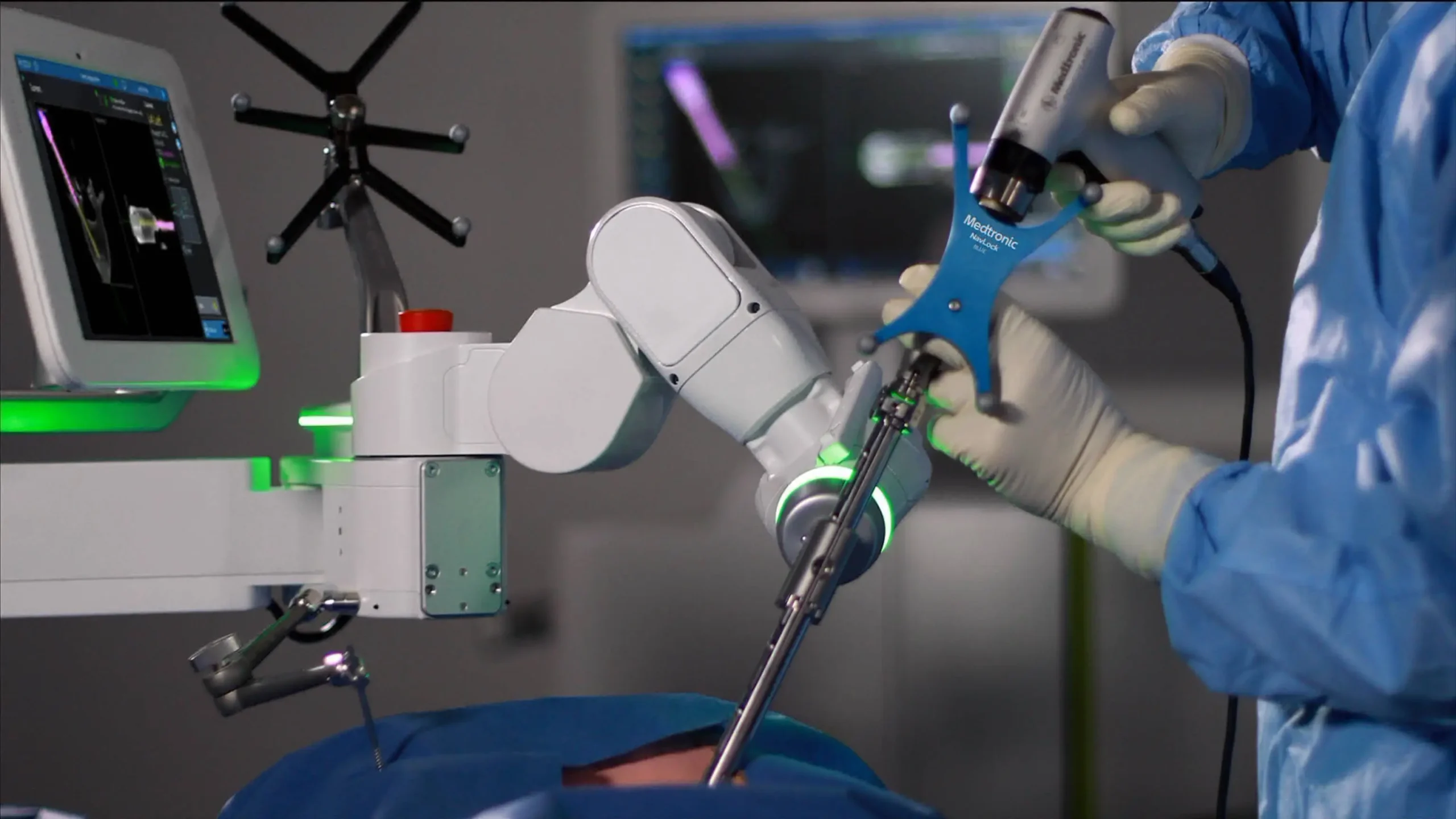
Vertrae® identifies Dr. Woods as an early adopter of robotic-assisted spine surgery. The practice describes robotic guidance as working alongside the surgeon by using imaging and navigation to support planning and instrument placement during selected procedures.
The technology does not replace surgical judgment. Instead, it functions as another tool that can help translate a preoperative plan into precise intraoperative guidance. Whether robotic assistance is appropriate depends on the patient, diagnosis, anatomy, and procedure being considered.
Minimally Invasive Techniques Reflect a Changing Surgical Model
Minimally invasive spine surgery is another major part of Dr. Woods’ clinical focus. These techniques use smaller incisions and specialized instruments to reach the spine while limiting disruption to surrounding tissues compared with traditional open approaches.
Vertrae® also lists motion-preserving disc replacement, spinal fusion, and spinal cord stimulation among treatments within Dr. Woods’ scope. The appropriate option varies by condition, and the practice emphasizes evaluation and conservative care as part of the broader pathway.
Vertrae describes its model as connecting office-based spine care with an adjacent outpatient surgery center, allowing selected patients to move from consultation through treatment and recovery within a coordinated setting.
Business Education Adds a Leadership Dimension
Dr. Woods earned an MBA from Johns Hopkins Carey Business School in 2020. That credential adds formal business and leadership education to his surgical background.
At Vertrae®, he serves as a co-founder and leader of both the comprehensive spine practice and the surgery center. His biography also notes involvement in research, publications, and a patent related to a pedicle screw system, reflecting interests that extend beyond the operating room.
Technology Works Best When Care Stays Personal
Advanced tools can improve what surgeons are able to plan and perform, but technology alone does not define good care. Vertrae® emphasizes listening to patients, explaining options clearly, and matching treatment to individual symptoms and goals.
Dr. Woods’ biography reflects that combination of technical training and patient-focused communication. His career brings together neurosurgery, combined spine fellowship experience, board certification, business education, minimally invasive techniques, and robotic guidance.
The larger story is not simply about using newer equipment. This combination helps place surgical technology within a clinical framework rather than treating innovation as isolated. It is about applying technology within a thoughtful care pathway. When innovation supports careful diagnosis, appropriate treatment selection, and clear communication, it can become a practical part of helping patients understand their options and move toward the next stage of care with greater confidence.