 Home


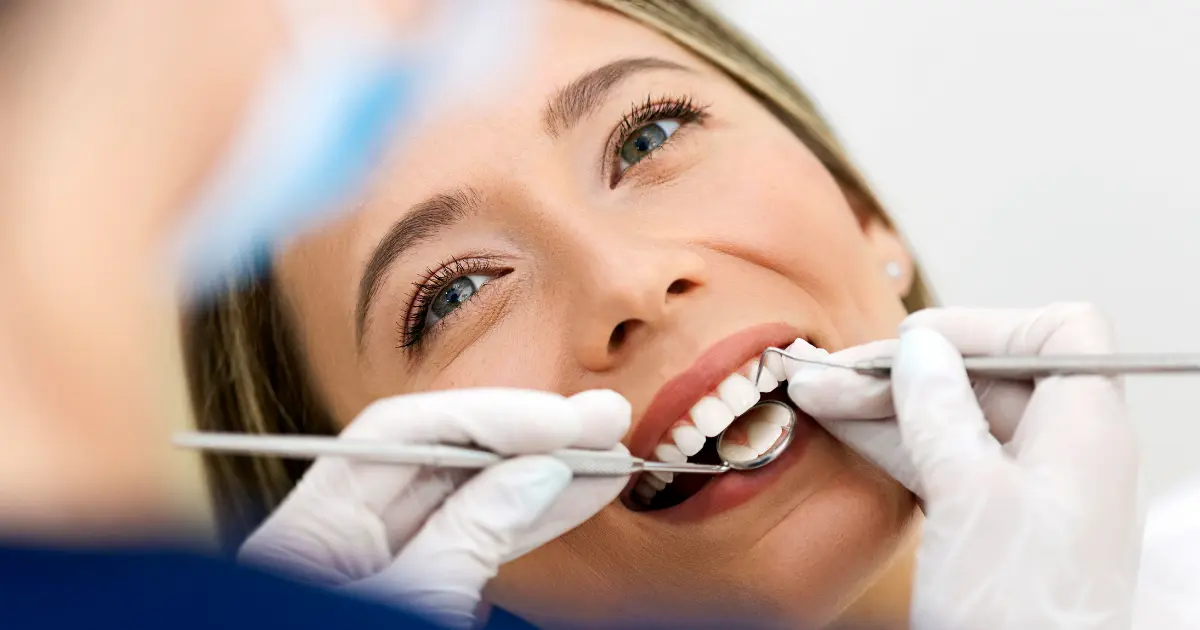
Maintaining a healthy smile involves more than brushing and flossing every day. Regular dental visits, preventive treatments, and timely procedures all contribute to long-term oral health. This is where comprehensive dental services come in.
Instead of focusing on individual dental problems as they arise, comprehensive dentistry takes a complete approach to evaluating, maintaining, and improving a patient’s oral health. Here’s what you need to know:
What Is Comprehensive Dental Care?
Comprehensive dental care is an all-encompassing approach to oral health that addresses a wide range of dental needs and concerns. Rather than simply filling cavities or relieving tooth pain, this type of care evaluates the overall condition of your teeth, gums, jaw joints, soft tissues, and bite alignment.
By considering your dental and medical history, comprehensive dentistry emphasizes prevention over reactive treatment. Regular examinations help detect early signs of tooth decay, gum disease, and bite problems before they become more serious.
What Is Included in Comprehensive Dental Services?
A fully equipped dental practice handles almost everything under one roof, keeping your records in one place and saving you trips to different specialists. You can expect several treatments, including:
Preventive Care and Diagnostics
Preventive dentistry is the foundation of good oral health. It focuses on reducing the risk of cavities, gum disease, and other dental problems before they develop or worsen. Common preventive services include:
- Complete Dental Exams: Thorough checks that screen for early decay, gum inflammation, bite misalignment, and oral cancer.
- Professional Cleanings: Removing hard-to-reach plaque and calcified tartar that regular daily brushing and flossing can’t remove.
- Digital Diagnostics: Low-radiation X-rays and 3D imaging that spot hidden decay between teeth, bone loss, or jaw issues before you can feel them.
- Fluoride & Sealants: Quick, protective coatings applied to teeth to shield enamel from cavity-causing bacteria.
Restorative Dentistry
When injury, decay, or disease affects your teeth, restorative treatments are used to repair them. These help restore dental function while preserving as much natural tooth structure as possible. Restorative dentistry offers:
- Composite Fillings: Repair decayed areas using tooth-colored materials that blend naturally with existing enamel.
- Crowns & Bridges: Custom porcelain caps that strengthen damaged teeth or fill in gaps left by missing teeth.
- Root Canal Therapy: Preserves natural tooth roots by removing infected pulp rather than extracting the tooth.
- Dental Implants: Replace missing teeth with long-lasting prosthetic options that prevent jawbone loss and keep adjacent teeth aligned.
Periodontal and Gum Care
Healthy teeth rely on a strong supporting structure. Periodontal care focuses on the prevention, diagnosis, and treatment of gum disease. Treatments may involve professional deep cleaning, scaling and root planing, or other periodontal procedures. Managing gum health is crucial, as untreated gum disease can lead to tooth loss and other systemic health issues.
Cosmetic Dentistry
While oral health remains the priority, a smile’s appearance can also influence confidence and self-esteem. Cosmetic dentistry offers treatments that improve the color, shape, and overall appearance of teeth. Depending on the patient’s goals and oral health condition, dentists may recommend one or several cosmetic procedures, such as:
- Professional Teeth Whitening: Reduces stubborn stains and discoloration to create a brighter, more radiant smile.
- Porcelain Veneers: Thin, custom-made shells that cover the front surfaces of teeth to improve their shape, color, and appearance.
- Dental Bonding: Uses tooth-colored resin to repair minor chips, cracks, gaps, and other imperfections.
Orthodontic Enhancements
Orthodontic treatments do more than improve the appearance of your smile. Properly aligned teeth are easier to clean, support better oral function, and can help address certain bite-related problems. Treatment options include:
- Clear Aligners: Removable, nearly invisible trays that gently shift teeth into alignment without the look or hassle of metal braces.
- Traditional or Ceramic Braces: Time-tested options for correcting complex bite issues, crowding, and severe misalignments.
- Retainers: Custom devices to maintain your straight smile and prevent teeth from shifting over time.
Key Benefits of Comprehensive Dental Care
- Better Consistency: Having one trusted team track your oral health means more accurate diagnoses and personalized care that fits your life, helping support long-term dental care.
- Streamlined Continuity of Care: Keeping preventive, restorative, and surgical treatments with one dental team reduces redundant appointments and communication gaps, saving you time and effort.
- Long-Term Financial Savings: Catching small issues early through detailed exams reduces the risk of more serious complications and costly emergency procedures.
Take the Next Step Toward Optimal Oral Health
Understanding the full spectrum of comprehensive dental services can help you make informed decisions about your oral health. By picking a practice that handles all your dental needs, you get a clear plan that keeps your teeth strong, your gums healthy, and your smile bright for years to come. Consult a trusted dentist near you!