 Home


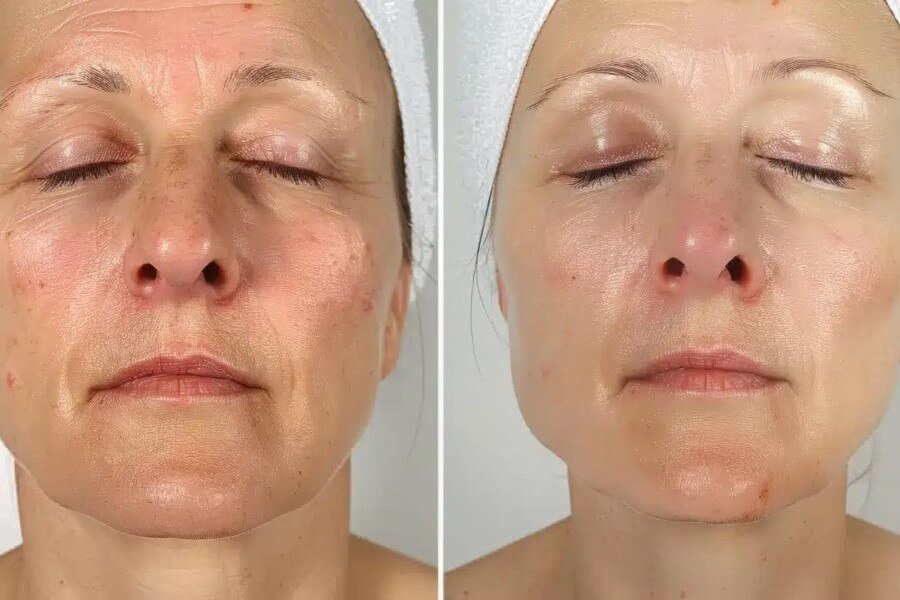
If you follow skin trends from South Korea, you will have heard of Rejuran. Often described as a skin healer rather than a filler, it has become one of the most talked-about treatments in aesthetic medicine. This guide explains what Rejuran is, how polynucleotide injections work, who they may suit and what to expect from treatment in London.
Table of Contents
What is Rejuran?
Rejuran is a polynucleotide (PN) treatment developed in Korea. Polynucleotides are chains of DNA fragments, and in Rejuran they are purified from salmon. Instead of adding volume, the treatment is designed to support skin quality, helping skin look smoother, more hydrated and more resilient.
How do Rejuran polynucleotide injections work?
Rejuran polynucleotide injections are placed into the skin with fine needles, in tiny amounts across the treatment area. The polynucleotides are intended to support the skin’s natural repair processes and improve hydration and texture over time. Because the aim is to improve the skin itself, the results tend to be subtle and natural rather than dramatic.
What can Rejuran help with?
- Fine lines and uneven texture.
- Dull, tired-looking or dehydrated skin.
- Delicate areas such as under the eyes, where some fillers are not suitable.
- The appearance of scars, including some acne scars, as part of a wider treatment plan.
- Skin that has been stressed by sun, ageing or other treatments.
Your doctor will explain which concerns Rejuran can realistically improve and where another treatment would be a better fit.
What to expect at your appointment
- Consultation: a doctor reviews your skin, goals and medical history. Make sure you mention allergies, particularly to fish, because the product is derived from salmon.
- Numbing: a topical anaesthetic is often applied to make the treatment more comfortable.
- Treatment: many small injections are placed across the area. It takes a short time.
- Afterwards: it is common to see small bumps, redness or mild swelling for a short period. Your practitioner will advise on aftercare and sun protection.
How many sessions will I need, and when will I see results?
A course is usually recommended, often several sessions spaced a few weeks apart, with maintenance sessions afterwards. Improvements build gradually, and many people notice better texture and hydration as the course progresses. Results differ between individuals and depend on your starting point, so your doctor will set realistic expectations.
Who should avoid Rejuran?
- People with a fish or salmon allergy.
- Anyone who is pregnant or breastfeeding.
- People with an active skin infection or inflammatory flare in the area.
- Anyone with certain medical conditions that the doctor considers a risk. Always disclose your full history.
Choosing a Rejuran provider in London
Because Rejuran is a branded treatment, ask whether the clinic uses the genuine product and whether it is an official partner. Check who will perform the treatment, what training they have and how many sessions are recommended before you commit.
An example of an official partner clinic
Dr L’Art in Holborn is an official UK partner for Rejuran Korean Polynucleotides, and has hosted the brand’s Chief Medical Officer and executive team from its Korean headquarters on official visits. The clinic offers Rejuran Korean polynucleotides in London as part of its skin rejuvenation services, and you can read more about its approach to scar and skin concerns on its website. The clinic is led by Medical Director Dr Dianni Dai, who is GMC-registered, holds a Master’s degree in Aesthetic Medicine and has more than 11 years of clinical experience.
Final thoughts
Rejuran is not a quick fix or a filler, but for people who want better skin quality, it offers a gentle, regenerative approach. Choose a doctor-led clinic, ask about the full course and be patient while the benefits build.