 Home


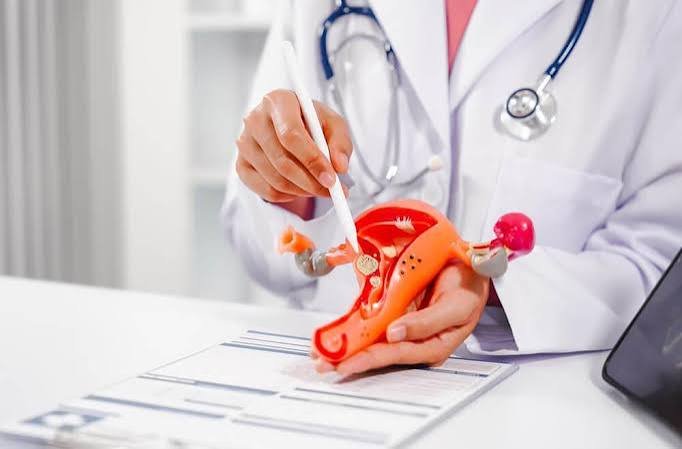
Uterine fibroids are common, noncancerous growths that can affect menstrual cycles, pelvic comfort, and everyday activities. While some fibroids cause no symptoms, others lead to heavy periods, pressure, frequent urination, or persistent discomfort. Many patients are now exploring treatment approaches that avoid major surgery and preserve the uterus. Understanding uterine fibroid treatment without surgery can help patients prepare for a more informed conversation with their healthcare provider.
Treatment decisions depend on more than fibroid size. Their location, number, symptoms, medical history, and future pregnancy plans all influence which options may be appropriate. Advances in minimally invasive care have expanded the choices available, allowing many patients to consider symptom relief with less disruption to daily life.
1. Recognizing When Fibroids Need Treatment
Uterine fibroids do not always require immediate treatment. Patients with mild or absent symptoms may be advised to monitor their condition through appropriate medical follow-up. However, persistent symptoms should not be ignored, particularly when they begin affecting work, sleep, exercise, or personal comfort.
Common signs include prolonged menstrual bleeding, pelvic pressure, abdominal fullness, frequent urination, and lower back discomfort. Heavy menstrual bleeding can also contribute to iron-deficiency anemia, which may cause fatigue, weakness, or dizziness.
A healthcare professional may recommend a pelvic examination and imaging, such as an ultrasound, to understand the size, number, and location of fibroids. These findings help distinguish between fibroids that may simply need observation and those that could benefit from active treatment. Early evaluation can also identify other possible causes of similar symptoms.
2. Medical Treatments and Minimally Invasive Options
Medication can help manage certain fibroid symptoms without removing the growths. Hormonal treatments may reduce menstrual bleeding, while non-hormonal medicines can help control bleeding or menstrual pain. Some medications temporarily reduce fibroid size, although their effects and suitability vary.
For patients who need more targeted treatment, minimally invasive procedures may offer another approach. Uterine fibroid embolization (UFE), also called uterine artery embolization, is performed by an interventional radiologist. A thin catheter is guided through an artery, and small particles are delivered to reduce the blood supply feeding the fibroids.
With less blood flow, fibroids gradually shrink. UFE can treat multiple fibroids during one procedure and does not require a large surgical incision. Other options, including MRI-guided focused ultrasound, may be appropriate for selected patients depending on fibroid location and anatomy.
3. Understanding UFE Recovery and Expected Results
Recovery after uterine fibroid embolization varies, but many patients return home the same day or after an overnight stay. During the first few days, pelvic cramping, tiredness, nausea, or a mild fever may occur as the body responds to treatment.
These symptoms are often managed with medicines and instructions provided by the care team. Patients are generally advised to rest initially and gradually resume light activities. Many return to normal daily routines within one to two weeks, although individual recovery may take longer.
Symptom improvement does not always happen immediately. Menstrual bleeding may become lighter over the following cycles, while pressure and urinary symptoms can improve gradually. Fibroids continue shrinking over several months, so follow-up appointments help assess treatment response and determine whether additional care is needed.
4. Comparing Treatment Choices and Planning Ahead
Choosing a fibroid treatment requires a personalized discussion rather than relying on a single factor. Patients should consider symptom severity, fibroid location, overall health, recovery expectations, and whether they hope to become pregnant in the future.
A myomectomy removes fibroids while preserving the uterus, whereas a hysterectomy removes the uterus and permanently ends the ability to carry a pregnancy. UFE preserves the uterus, but its effects on future fertility and pregnancy are not fully understood. Patients who may want children should discuss fertility-related concerns with their gynecologist before choosing a procedure.
Reviewing uterine fibroid treatment options and recovery time can help patients prepare questions about benefits, limitations, risks, and follow-up. A coordinated discussion between a gynecologist and an interventional radiologist may provide a clearer picture of suitable treatment pathways.
Conclusion
Fibroid care continues to develop, giving patients more options than simply living with symptoms or undergoing major surgery. Observation, medication, and minimally invasive procedures can each play a role, depending on the individual diagnosis and treatment goals.
The most effective approach begins with a thorough evaluation and an honest discussion about expected outcomes. Patients should understand how each option may affect bleeding, discomfort, recovery, and future pregnancy plans. They should also know when symptoms require prompt medical attention, especially unusually heavy bleeding, fainting, severe dizziness, or worsening pain.
With accurate information and appropriate specialist guidance, patients can make decisions that support both immediate symptom relief and long-term well-being. Individualized care remains essential as treatment techniques continue to improve.