
 Home
Home

Key Takeaways
- In Singapore homes, humidifiers serve one purpose: restoring moisture removed by air conditioning during sleep.
- Sleep benefits come from reducing dry throat, nasal irritation, and morning congestion caused by overnight cooling.
- Poor cleaning habits turn a humidifier into a hygiene risk instead of a sleep aid.
Introduction
Buying the best humidifier in Singapore feels unnecessary until air conditioning enters the picture. Outdoor humidity stays high year-round, but bedrooms tell a different story once cooling runs through the night. Air conditioners pull moisture from the air aggressively. After several hours, indoor humidity drops low enough to dry the throat, lips, and nasal passages. Many people notice the effect only in the morning, when congestion or a sore throat appears without signs of illness. A humidifier does not exist to correct Singapore’s climate. It exists to correct what air conditioning removes while you sleep.
1. Why Air-Conditioned Bedrooms Create Dry Air
Air conditioners cool air by removing moisture as part of the process. In a closed bedroom, this effect compounds across several hours. Skin loses moisture faster. The nose produces thicker mucus. Breathing through the mouth becomes more likely, especially for light snorers. These changes interrupt sleep even when the room temperature feels comfortable. A compact humidifier restores moisture to a level that keeps airways comfortable without raising the room temperature. In practical use, balanced humidity sits around the range where breathing feels normal again instead of dry.
2. Why Ultrasonic Models Fit Sleep Better
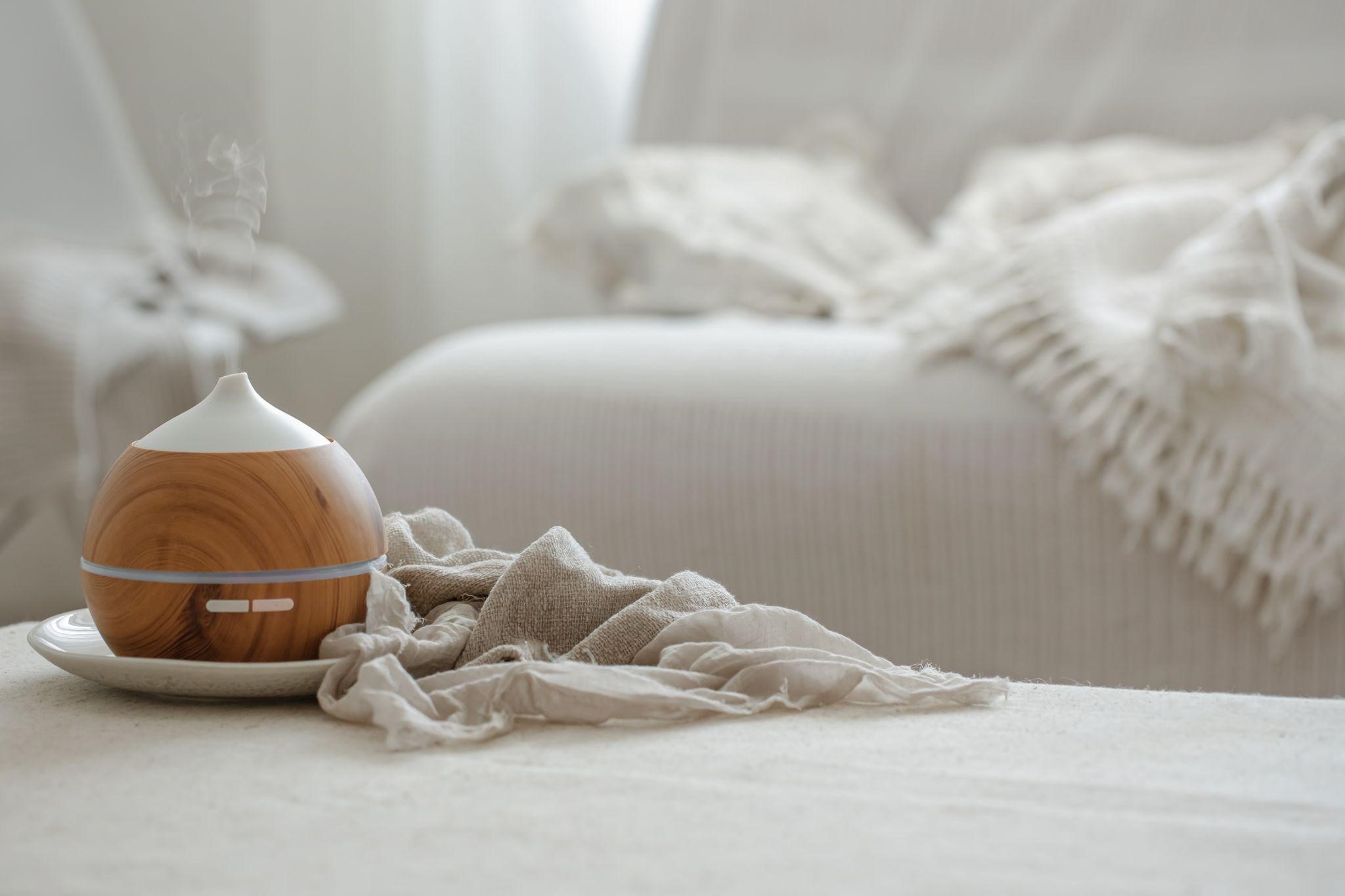
Bedroom humidifiers must stay quiet. Ultrasonic models suit this role because they create mist using vibration rather than heating or strong airflow. The mist feels cool and light, which works well beside a bed. Noise remains low enough for light sleepers, especially when the fan speed stays minimal. Some models release mineral residue when paired with hard tap water, leaving white dust on furniture. Filtered or distilled water prevents this issue and keeps surrounding surfaces clean.
3. When Maintenance Determines Whether It Helps
A humidifier improves sleep only when the water stays fresh. Warm indoor temperatures accelerate bacterial growth inside stagnant tanks. A tank left unemptied for two days develops an odour quickly. Once a musty smell appears, the device pushes contaminated mist into the air you breathe. Daily rinsing keeps residue from forming. Weekly vinegar cleaning removes scale from internal surfaces. These steps take minutes, but they determine whether the humidifier remains a health tool or becomes a problem.
4. How Excess Moisture Disrupts Sleep
Humidity feels uncomfortable once it climbs too high. Sticky air triggers restlessness and encourages dust mite growth. Condensation on windows signals excessive moisture. In bedrooms, this usually happens when users leave humidifiers running at full output through the night. A built-in humidity sensor prevents this by stopping mist production once air reaches a comfortable level. This feature keeps humidity stable rather than letting it drift upward unnoticed.
5. Placement That Matches How You Breathe
Distance matters. A humidifier placed too close dampens pillows and bedding. One place too far struggles to affect the area around the sleeper. Positioning the unit one to two metres from the bed directs moisture into the breathing zone without soaking fabrics. Elevating the device allows mist to disperse into the air rather than settling immediately on the floor. This placement improves effectiveness without increasing output.
6. When a Humidifier Becomes Background Noise
Some users stop noticing benefits because the room never needed additional moisture. Bedrooms without air conditioning or those cooled only briefly do not experience the same dryness. In these spaces, a humidifier adds maintenance without improving comfort. The best humidifier in Singapore works only in rooms where air conditioning runs for several uninterrupted hours overnight.
Conclusion
A humidifier in Singapore solves a narrow but real problem. It restores moisture removed by air conditioning during sleep. Used correctly, it reduces dry throat, nasal irritation, and morning congestion. Used carelessly, it adds cleaning work or introduces hygiene risks. The difference lies in room conditions, placement, and daily upkeep. When matched properly to an air-conditioned bedroom and maintained consistently, a humidifier stops fading into background noise and becomes part of a reliable sleep routine.
Visit Best Picks to discover health insights focused on sleep comfort and indoor living conditions.