 Home


Individuals with obstructive sleep apnea may find it challenging to get a good night sleep. The condition is the result of frequent interruptions of breathing during sleeping, which might influence the quality of sleep and health. CPAP is the continual positive airway pressure (CPAP) therapy that is usually recommended in treating sleep apnea. Nevertheless, success with the use of the CPAP machine does not only rely on the presence of a CPAP machine but the selection of the appropriate CPAP masks.
A CPAP mask is used to pump the pressurised air in the machine into the airway of the user. Since it is worn throughout the night, comfort, fit and ease of use are important factors to consider. Knowing the types of masks may enable users to identify the equipment that fits their sleeping habits and therapy needs.
What are CPAP Masks?
CPAP masks: are special interfaces that are connected to a CPAP machine using flexible tubing. They inject a steady supply of pressurised air to aid in maintaining the airway open when one is asleep.
Individuals differ as to their breathing pattern, facial structure and sleeping preference. This is one of the reasons why there are a number of designs of CPAP masks. Others cover the tip of the nose and others conform round the nostrils or both nose and mouth.
An adequately fitted mask is capable of supporting good circulation of air besides minimizing air leakage. It may also facilitate the ability of the users to adhere to their course of treatment.
Different Types of CPAP Masks
It is best to know about the major types of masks before choosing one.
1. Nasal Pillow Masks
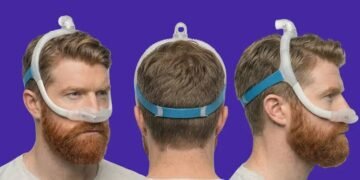
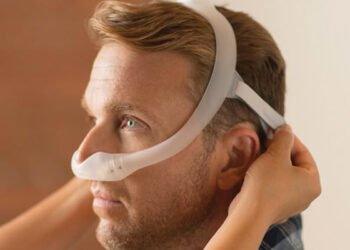
Nasal pillow masks are the most tiny and lightweight. They use soft cushions which are directly inserted in or against the nostrils and the pressurised air is delivered via nose.
These masks can be worn by individuals who like to have little physical contact. They are also comfortable to those who sleep on their sides or those who feel confined with the bigger masks.
Nevertheless, users might feel uncomfortable around the nostrils, and especially at a high pressure level.
2. Nasal CPAP Masks
Nose covers are the nose masks and most of them mainly go beyond the nose bridge close to the upper lip. They open the nostrils to allow the passage of air without littering the mouth.
This design is both comfortable and covers a lot of area. People typically prefer it when they like to breathe through their nose when asleep.
However, the nasal mask should be suitably fitted since a misplaced nasal mask can lead to escape of air around the nose.
3. Full Face CPAP Masks
Full face masks are used that cover the mouth and nose. They are usually recommended to individuals who sleep with their mouth open or are having nasal congestion.
Such masks may be effective among individuals who may be challenged to breathe nasally during the night.
Their coverage of the face may be wider but some users will take time to be accustomed to their size and feel.
How to Choose the Right CPAP Mask
The choice of the mask is not limited to a specific design. There are a number of things that are to be put into consideration before a decision is made.
Sleeping Position: Side sleepers might like to use masks that are not very bulky and against the pillow. Different mask designs can be comfortable to back sleepers based on their facial structure.
Breathing Patterns: Individuals used to inhale via the mouth will require a complete face mask or some other remedy suggested by their healthcare practitioner.
Facial Fit: Each face is different. The mask must be made to be fitting and not very tight and must not leave gaps.
Comfort: Wearing a mask should be more comfortable with the help of soft cushions, adjustable headgear and lightweight constructions.
Cleaning Requirements: To ensure hygiene and avoid the accumulation of oils, moisture and dirt, the masks should be regularly washed.
Tips for Maintaining CPAP Masks
CPAP equipment can be maintained by a regular maintenance. The users are asked to wash the mask as per the instructions on the manufacturer and make sure all the parts of the mask are thoroughly dried when reusing it.
The cushion, straps and connectors should also be checked and in case of damage. In the long run, the material of mask can lose its form or can be rendered ineffective.
Worn out components could be changed, though this might assist in retaining a proper seal and a comfortable fit. Hard cleaning agents should also not be used by the users and such may destroy the mask material.
Common Problems With CPAP Masks
Others have problems the first time on CPAP therapy. Poor air leakage, skin rashes, pressure and claustrophobia are the most frequently raised issues.
Sometimes such issues can be resolved by modifying the headgear, changing the size of the mask or switching types of designs. When straps are tightened extremely, it is not necessarily the answer, and it could cause extra pressure to the face.
Every person, who feels constant discomfort, needs to speak with his or her medical professional or sleep expert.
Conclusion
Selecting the appropriate CPAP masks is a key to the successful management of sleep apnea. Nasal pillow, nasal, full face designs have various merits with regard to individual breathing patterns and comfort levels. Fitting a mask can make night time therapy manageable and remind a person to wear it daily. Through choosing the fit, sleeping position, maintenance and personal-comfort, users will be able to find the CPAP mask which supports their treatment prescribed and helps them make positive attempts to sleep better.