
 Home
Home

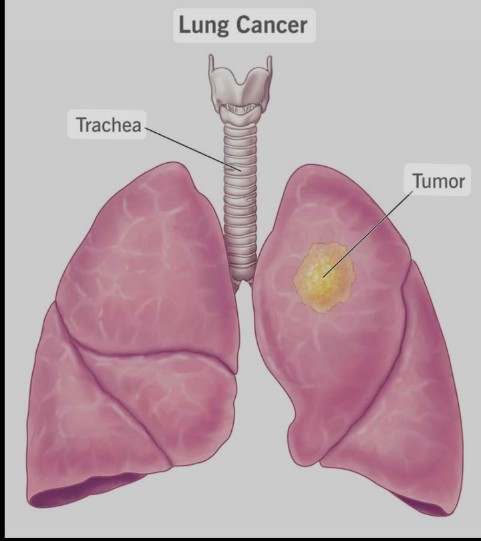
Lung cancer is a complex and often devastating disease that affects millions of people worldwide. This article delves into the causes, types, and risk factors associated with lung cancer, shedding light on this critical health concern.
The Basics of Lung Cancer:
The uncontrolled growth of abnormal lung cells characterizes lung cancer. It is one of the most common types of cancer and is often associated with a high mortality rate due to late-stage diagnosis.
Types of Lung Cancer:
There are two primary types of lung cancer:
- Non-Small Cell Lung Cancer (NSCLC): NSCLC accounts for approximately 85% of all lung cancer cases. It includes subtypes such as adenocarcinoma, squamous, and large-cell carcinoma.
- Small Cell Lung Cancer (SCLC): SCLC makes up the remaining 15% of lung cancer cases. This type tends to grow and spread more aggressively than NSCLC.
Causes of Lung Cancer:
Lung cancer is often associated with exposure to carcinogens, with cigarette smoke being the leading cause. However, not all cases can be linked to smoking. Other significant causes include:
- Secondhand Smoke: Even if you are not a smoker, exposure to secondhand smoke can increase the risk of lung cancer.
- Radon Gas: Radon is a naturally occurring radioactive gas that can seep into homes and buildings. Prolonged exposure to high levels of radon can elevate the risk of lung cancer.
- Occupational Exposures: Certain jobs, such as those in construction, mining, and manufacturing, may expose workers to carcinogenic substances, increasing their risk of lung cancer.
- Family History: A family history of lung cancer may indicate a genetic predisposition to the disease.
- Air Pollution: Prolonged exposure to high levels of air pollution, both indoor and outdoor, can contribute to lung cancer.
- Asbestos Exposure: Asbestos is a known carcinogen that, when inhaled, can lead to lung cancer, particularly in those with occupational asbestos exposure.
- Other Factors: Factors like a history of lung disease, radiation therapy to the chest, and specific dietary choices may also play a role in lung cancer development.
Signs and Symptoms:
Lung cancer symptoms can vary, and some individuals may not exhibit any symptoms until the disease has progressed. Common signs and symptoms include:
- Persistent Cough: A persistent cough, significantly if it changes or worsens over time, can be an early sign of lung cancer.
- Shortness of Breath: Lung cancer can cause breathlessness and wheezing.
- Chest Pain: Chest pain that worsens with deep breathing, laughing, or coughing can indicate lung cancer.
- Unexplained Weight Loss: Significant and unexplained weight loss can be a symptom of various types of cancer, including lung cancer.
- Coughing Up Blood: Coughing up blood or bloody mucus is a concerning symptom that a healthcare provider should evaluate.
- Hoarseness: Changes in the voice, such as persistent hoarseness, can indicate lung cancer.
Risk Factors:
Several risk factors can increase an individual’s likelihood of developing lung cancer:
- Smoking: Smoking is the leading cause of lung cancer, with approximately 85% of all cases attributed to tobacco use.
- Age: The risk of lung cancer increases with age, with the disease more common in individuals over 65.
- Gender: Historically, lung cancer was more common in men, but the gap has narrowed as smoking rates among women increased.
- Family History: A family history of lung cancer may elevate an individual’s risk.
- Exposure to Carcinogens: Occupational exposure to carcinogens, such as asbestos, radon, and industrial chemicals, can increase the risk of lung cancer.
Conclusion:
Lung cancer is a multifaceted disease with various causes, types, and risk factors. While smoking remains the primary cause of lung cancer, it is essential to recognize that non-smokers can also develop this disease. Understanding the risk factors and symptoms associated with lung cancer is vital for early detection and treatment, potentially improving outcomes for those affected by this challenging condition. If you or someone you know is at risk or experiencing symptoms, seeking medical attention is crucial for early diagnosis and intervention.