 Home
Home

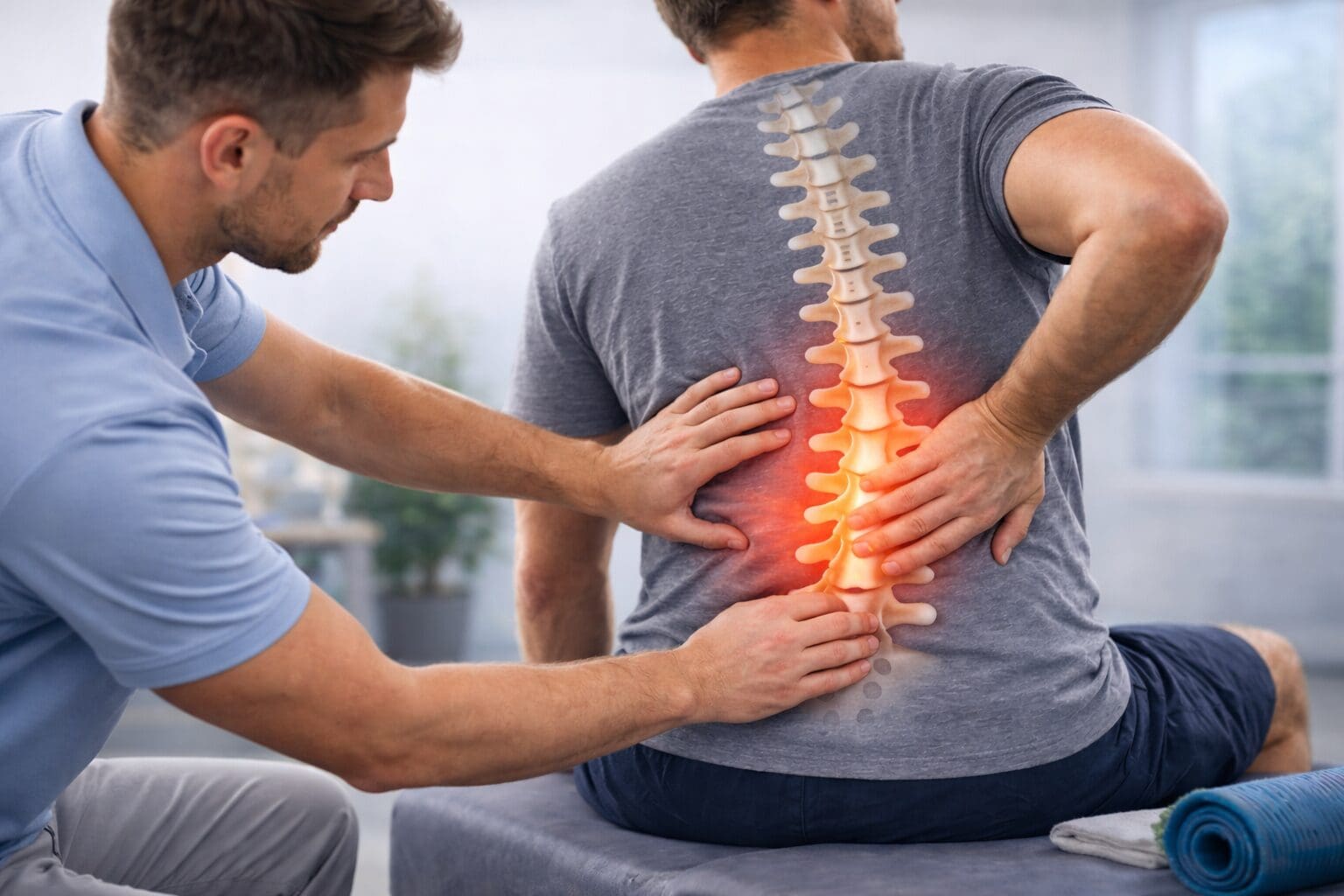
Back pain is something most people experience at some point in life. In many cases, symptoms improve with rest, stretching, physical therapy, or simple lifestyle changes. Conservative treatment is often the first step because many spinal conditions can be managed without surgery.
However, not every case of back pain responds to non-surgical treatment forever. Some patients eventually reach a point where medications, therapy, injections, and temporary solutions no longer provide lasting relief. When this happens, daily life can become increasingly difficult and frustrating.
Understanding when conservative treatments stop working is important because ongoing symptoms may signal that an underlying spinal condition requires further evaluation.
Table of Contents
What Are Conservative Back Pain Treatments?
Conservative treatment refers to non-surgical methods used to reduce pain, improve mobility, and help patients avoid more invasive procedures whenever possible.
Common conservative treatments include:
- physical therapy
- stretching programs
- anti-inflammatory medications
- spinal injections
- chiropractic care
- exercise and strengthening routines
- posture correction
- activity modification
For many people, these treatments are highly effective and may provide long-term symptom relief.
The problem occurs when pain continues worsening despite consistent treatment efforts.
Temporary Relief That Keeps Returning
One of the biggest signs conservative care may no longer be enough is when pain repeatedly comes back after temporary improvement.
Some patients notice a pattern where:
- medication only works briefly
- injections wear off faster
- therapy provides short-term relief
- symptoms return immediately after activity
This cycle can continue for months or even years.
While occasional flare-ups are common, persistent recurring pain may indicate that the underlying spinal problem is continuing to progress.
Pain Begins Affecting Everyday Life
Back pain should never completely control a person’s daily routine.
When symptoms begin interfering with:
- walking
- working
- sleeping
- driving
- exercise
- travel
- family activities
it may be time to seek further medical evaluation.
Many patients gradually reduce activity levels simply to avoid triggering pain. Over time, this loss of mobility can significantly affect physical health and quality of life.
Some people stop exercising entirely, while others avoid social events, vacations, or hobbies because movement becomes too uncomfortable.
Nerve Symptoms Start Developing
Conservative treatment is often less effective when spinal nerves become compressed or irritated.
Warning signs of nerve involvement may include:
- numbness
- tingling
- burning sensations
- shooting leg pain
- weakness in the arms or legs
- difficulty standing or walking
These symptoms are commonly associated with conditions such as:
- herniated discs
- spinal stenosis
- degenerative disc disease
- spondylolisthesis
When nerve compression continues for too long, symptoms may gradually worsen and become harder to manage conservatively.
You Depend Constantly on Medication
Another warning sign is relying heavily on pain medication simply to get through daily life.
Some patients begin taking:
- anti-inflammatory drugs daily
- muscle relaxers regularly
- repeated steroid injections
- increasing amounts of pain medication
While medication may help control symptoms temporarily, it does not always address the actual structural issue causing the pain.
Long-term dependence on medication without meaningful improvement often signals the need for a deeper evaluation of the spine.
Mobility Continues Declining
A major concern with untreated spinal problems is gradual loss of mobility.
Patients may begin noticing:
- difficulty walking long distances
- reduced flexibility
- leg heaviness
- poor balance
- weakness during activity
- trouble standing for extended periods
Mobility problems often develop slowly, making it easy to underestimate how much function has been lost over time.
Maintaining movement and independence is critical for long-term overall health, especially as people age.
Conservative Care Stops Producing Results
Some individuals spend years trying:
- physical therapy
- injections
- exercise programs
- chiropractic adjustments
- massage therapy
- alternative treatments
without meaningful long-term improvement.
This does not mean conservative treatment failed completely — it may simply mean the spinal condition has progressed beyond what non-surgical methods can effectively manage.
At that point, further diagnostic evaluation becomes important to understand the true source of symptoms.
Fear of Surgery Causes Many Patients to Wait Too Long
One reason people continue struggling with ineffective conservative treatment is fear of surgery.
Many still imagine spine surgery as:
- large incisions
- long hospital stays
- severe pain
- months of recovery
However, modern spine care has changed dramatically in recent years.
Minimally invasive procedures may now allow some patients to experience:
- smaller incisions
- outpatient treatment
- reduced muscle disruption
- shorter recovery times
- faster return to activity
Educational resources from providers such as Inspired Spine have helped many patients better understand how modern minimally invasive spine treatment differs from traditional open surgery approaches.
Surgery Is Not Always the Immediate Answer
It is important to understand that seeing a spine specialist does not automatically mean surgery will be recommended.
The purpose of evaluation is to:
- identify the underlying cause
- assess nerve involvement
- determine severity
- explore appropriate treatment options
In some cases, additional non-surgical therapies may still help. In others, minimally invasive procedures may provide more lasting relief after conservative care stops working.
The goal is always to improve mobility, reduce pain, and restore quality of life.
Warning Signs You Should Not Ignore
Patients should seek professional evaluation if they experience:
- pain lasting several months
- worsening numbness or weakness
- difficulty walking
- severe nerve pain
- declining mobility
- failed conservative treatments
- symptoms affecting daily life
The earlier the problem is properly diagnosed, the more treatment options may be available.
Conservative back pain treatments help many people successfully manage spinal conditions without surgery. However, when pain becomes chronic, mobility declines, and nerve symptoms continue worsening despite treatment, it may be a sign that additional medical evaluation is necessary.
Ignoring persistent symptoms can sometimes allow spinal conditions to progress further over time. Modern spine care now offers a variety of treatment options — including minimally invasive approaches — designed to help patients regain function and improve quality of life when conservative methods are no longer enough.