
 Home
Home

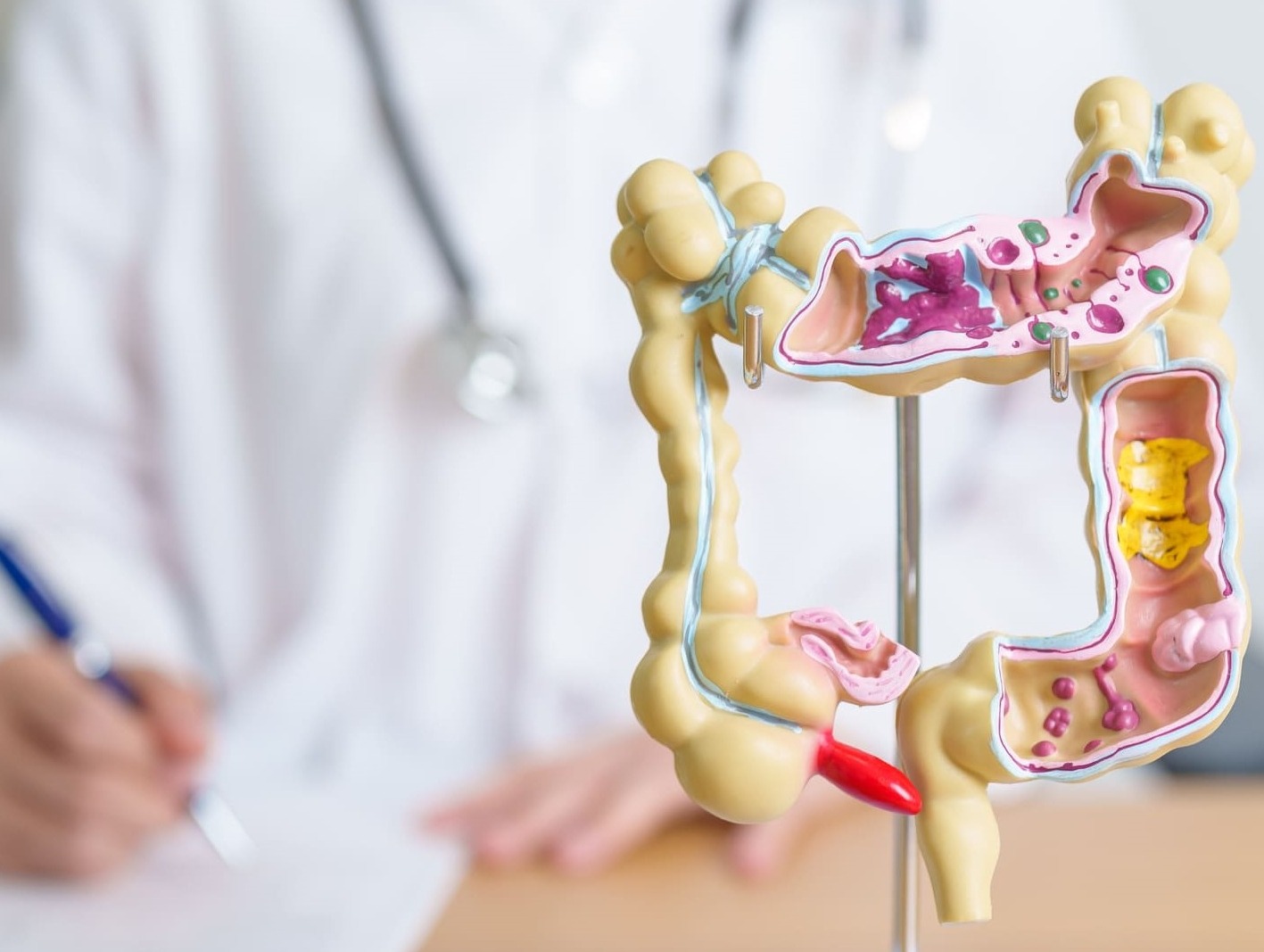
Digestive health concerns are often overlooked until symptoms begin affecting everyday life. While occasional digestive discomfort may not always indicate a serious problem, persistent symptoms such as rectal bleeding, abdominal pain, unexplained changes in bowel habits, or ongoing constipation deserve professional medical attention. Early assessment not only helps identify the underlying cause but also provides more treatment options if intervention is needed.
Finding the right colorectal specialist involves more than selecting someone with the appropriate qualifications. Patients often value a doctor who combines surgical expertise with clear communication, thorough assessment, and a treatment plan that is tailored to their individual condition.
For patients looking for specialist colorectal care, Dr QM Leong is a colorectal and general surgeon with over 20 years of surgical experience, providing comprehensive care that includes screening, endoscopy, minimally invasive surgery, and treatment for a wide range of digestive conditions.
Table of Contents
Understanding Colorectal Health
The colon and rectum play an essential role in the digestive system by processing waste before it leaves the body.
Because many colorectal conditions develop gradually, symptoms may remain unnoticed during the early stages. Regular health screening and prompt medical assessment are therefore important components of preventive healthcare.
Some symptoms that should not be ignored include:
- Blood in the stool.
- Persistent abdominal discomfort.
- Ongoing constipation or diarrhoea.
- Changes in bowel habits.
- Unexplained weight loss.
- A feeling of incomplete bowel emptying.
While these symptoms do not always indicate a serious illness, they should be properly evaluated by a healthcare professional.
The Importance of Early Screening
Many colorectal conditions are highly treatable when detected early.
Routine screening allows doctors to identify abnormalities before symptoms become severe or complications develop.
Benefits of early screening may include:
- Detection of precancerous polyps.
- Earlier diagnosis of colorectal cancer.
- Better treatment outcomes.
- Reduced risk of disease progression.
- Greater treatment options.
- Improved long-term health management.
For individuals with family history or other risk factors, screening recommendations may differ from the general population and should be discussed with a specialist.
More Than Surgery
A colorectal specialist provides much more than surgical treatment.
Comprehensive care often includes:
- Medical consultation.
- Physical examination.
- Colonoscopy.
- Gastroscopy.
- Endoscopic procedures.
- Long-term follow-up.
- Preventive health advice.
Many patients ultimately do not require surgery, with treatment depending entirely on the diagnosis and severity of the condition.
Conditions Commonly Assessed
Colorectal specialists diagnose and manage a wide range of digestive and general surgical conditions.
These include:
- Haemorrhoids.
- Colorectal polyps.
- Colorectal cancer.
- Diverticular disease.
- Anal fissures.
- Anal fistulas.
- Hernias.
- Gallstones.
- Pilonidal disease.
Because many of these conditions share similar symptoms, accurate diagnosis is essential before deciding on treatment.
The Role of Minimally Invasive Techniques
Advances in surgical technology have transformed the treatment of many colorectal conditions.
When clinically appropriate, minimally invasive procedures may provide several advantages compared with traditional open surgery.
Potential benefits include:
- Smaller surgical incisions.
- Reduced postoperative discomfort.
- Faster recovery.
- Shorter hospital stays.
- Less visible scarring.
- Earlier return to daily activities.
The choice of procedure always depends on the patient’s diagnosis, overall health, and clinical assessment rather than patient preference alone.
Building Confidence Through Communication
Patients often feel anxious when discussing digestive symptoms or undergoing investigations such as a colonoscopy.
Clear communication can make a significant difference throughout the healthcare journey.
An experienced specialist typically explains:
- Possible causes of symptoms.
- Recommended investigations.
- Available treatment options.
- Expected recovery process.
- Follow-up care requirements.
Understanding each step allows patients to participate more confidently in decisions regarding their care.
Looking Beyond Immediate Symptoms
Modern colorectal care focuses not only on treating existing conditions but also on supporting long-term digestive health.
During consultations, specialists may discuss factors such as:
- Diet and nutrition.
- Bowel habits.
- Lifestyle factors.
- Family medical history.
- Cancer screening recommendations.
- Preventive healthcare.
This broader approach helps patients understand how everyday habits may influence digestive wellbeing over time.
Coordinated Patient Care
Receiving consultation, diagnostic investigations, and treatment through a single specialist clinic often improves continuity of care.
Integrated services may include:
- Specialist consultation.
- Diagnostic endoscopy.
- Colonoscopy.
- Surgical management where required.
- Post-treatment review.
- Ongoing monitoring.
Having one coordinated care pathway allows investigations and treatment recommendations to be based on a complete understanding of the patient’s medical history.
Choosing the Right Specialist
Selecting a colorectal surgeon is an important healthcare decision.
Patients commonly consider:
- Clinical experience.
- Areas of expertise.
- Availability of modern surgical techniques.
- Personalised treatment plans.
- Access to diagnostic procedures.
- Continuity of follow-up care.
Finding a specialist whose approach aligns with the patient’s individual healthcare needs often contributes to a more reassuring treatment experience.
Conclusion
Good colorectal care extends beyond performing procedures. It begins with careful assessment, accurate diagnosis, open communication, and treatment that reflects each patient’s unique medical needs. Early evaluation of digestive symptoms and appropriate screening remain key steps in maintaining long-term colorectal health.
For individuals seeking specialist digestive care in Singapore, Dr QM Leong provides comprehensive colorectal and general surgical services, combining extensive clinical experience with minimally invasive techniques, endoscopic expertise, and a patient-centred approach that supports both early diagnosis and personalised treatment planning.