 Home
Home

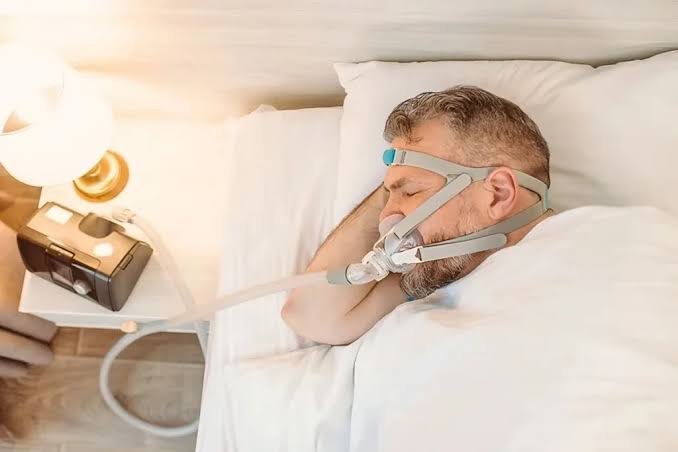
One of the irritating aspects of using CPAP therapy can be the fact that you actually wake up with a dry mouth. You can retiring to bed in a comfortable state and wake up with a parched, clammy in the mouth sensation. This can be an everyday experience of some individuals when they are initially using the CPAP machines, or it can only occur occasionally to others.
Dry mouth may not be a very comfortable experience when sleeping, but there are various factors you may consider to know what may be bringing it about and how to minimize the vice.
Table of Contents
How Does CPAP Cause Dry Mouth?
Mouth breathing at night is one of the frequent causes of the dry mouth. Even when restricting to the usual means when we breathe (which is the nose), when the mouth opens during sleep, the air coming in your CPAP machine might add to the feeling of dryness.
This may occur upon the use of both a nasal mask as well as full face mask though the reason could be different in both individuals. Even a mask that is not fitted well may create air leaks which could leave your mouth and throat notably dry in the morning.
Your bedroom air can also have an effect in drying your mouth. The condition may be more apparent with dry indoor air and constant air circulation particularly in colder months when heating is more in use.
Test You Mask Fits.
Your mask ought to be tight enough to fit without being uncomfortable. When it is loose, there is a possibility that air will escape over sides. When it is tight, it can provide stress and pain.
When you nearly always wake up with a very dry mouth, make sure that you are not having mask leaks. Most currently used CPAP devices can give you information regarding the fit of your mask and mask leaks, which will help you determine whether or not this is a contributing factor to the issue.
Unless this improves the mask, it might be necessary to change the mask with your health care professional or equipment expert. This is because a change in mask size or style can be a significant distortion in some instances.
Consider Your Humidification
Humidification may be useful to individuals who feel dry using CPAP machines. A humidifier will introduce moisture to the air passing up the tubing, and this could make the air flow more comfortable.
A humidifier on your machine? Use instructions that the manufacturer provides. What one considers as the correct level of humidity may differ with another person. Excessively low humidity can be insufficient but excessively high can cause condensation within the tubing.
It might require certain experimentation and compromising.
Observes Mouth Breathing.
When you have a nasal mask and often have a dried-up mouth in the morning, it is possible that you are breathing through your mouth when you sleep. This will enable the pressurised air to get out of your mouth rather than remaining in your airway.
Discuss with your healthcare provider whether this might occur. They can assist you in making the decision based on the suitability of your present mask and therapy arrangement. In other cases, an alternative type of a mask can be taken into account.
Instead of doing significant modifications to your CPAP system, it is better to seek expert help.
Keep Yourself Hydrated
It can also be beneficial in terms of drinking enough water throughout the day. Unable to find any water before going to sleep, you are likely to experience dry mouth more acutely when asleep.
Remember to have water next to you to be able to drink in case you wake up feeling thirsty. Nonetheless, consuming a lot of water right before sleep can make you wake-up more frequently to go to the restroom, hence it can be helpful to find a comfortable balance.
Enhance the comfort of CPAP Therapy.
Dry mouth does not always imply that you should switch to no longer using machines of CPAP. In most situations, it is possible to name the reason and to perform several changes and make night time therapy far more comfortable.
Test your mask fit, think about the possibility of mouth breathing and discuss with your healthcare provider humidification or other devices. Also ensure that your equipment is in good condition by cleaning it and according to the instructions provided.
Whenver these changes fail to stop dry mouth, talk to a healthcare professional. Long-term dryness may be caused by various factors and the appropriate solution can be reached by examining your entire sleep therapy set-up.